Mariama Hamani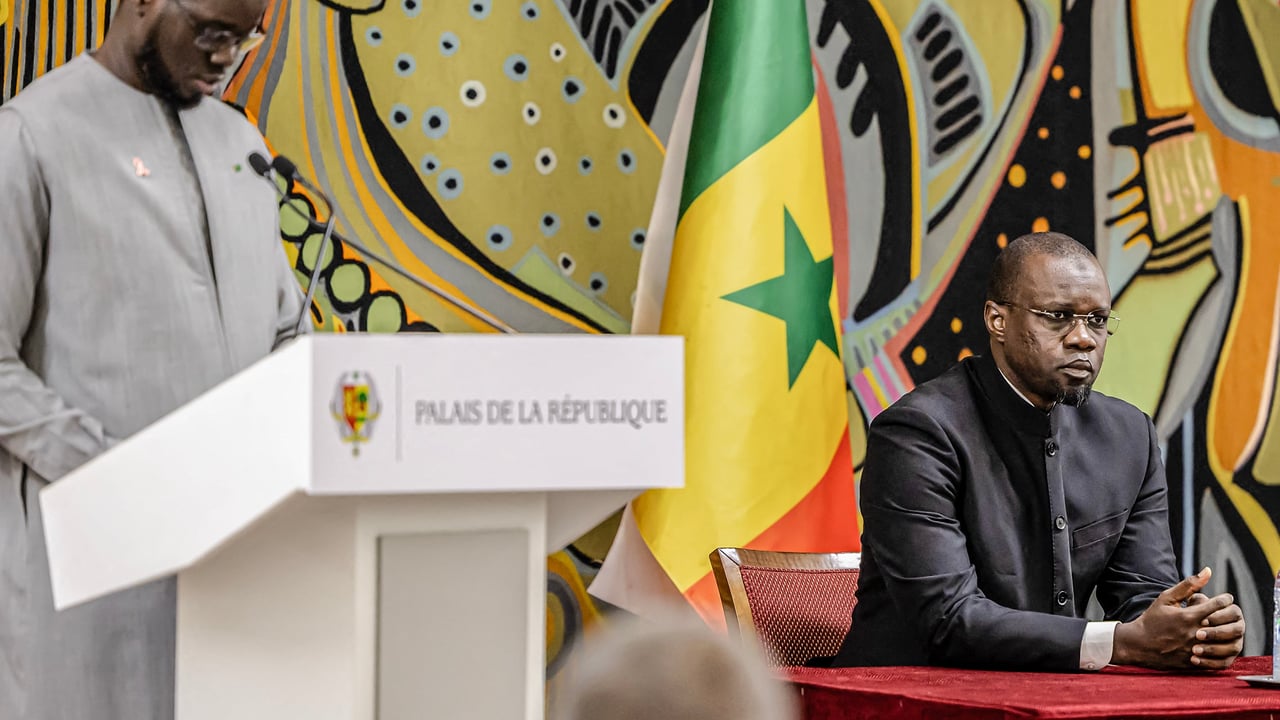

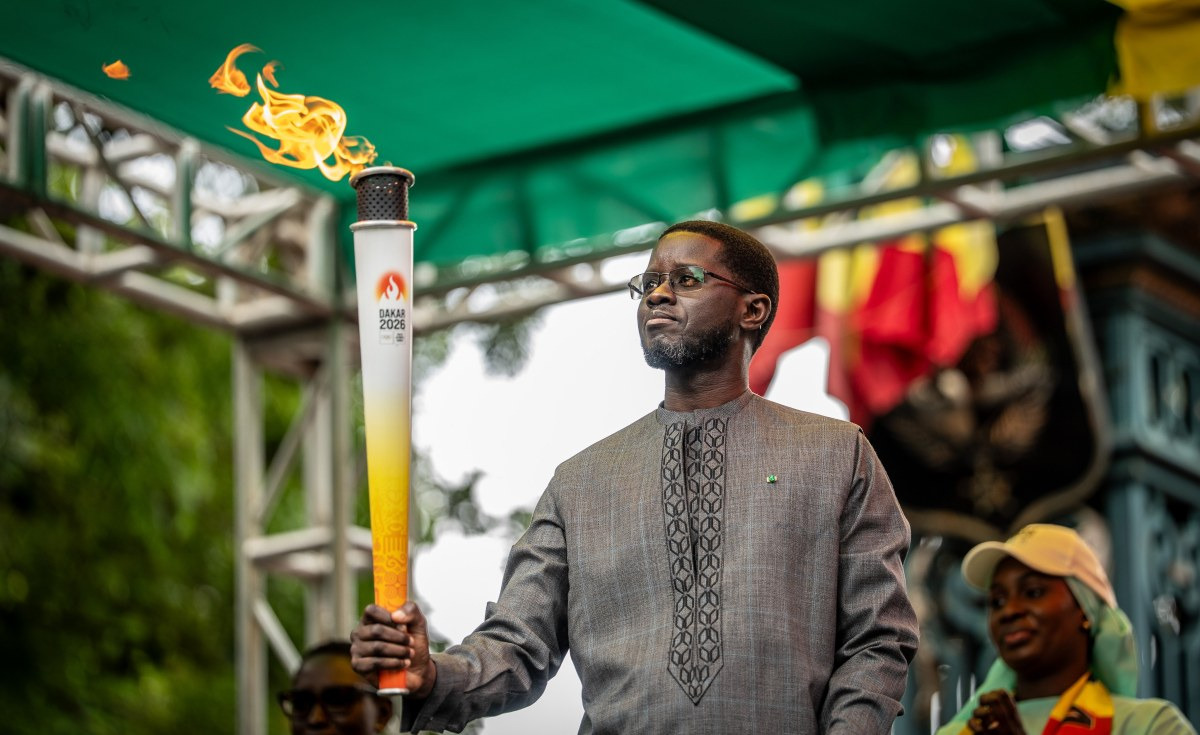
During a national celebration press briefing on April 4, 2025, President Bassirou Diomaye Faye made his intentions clear: a sweeping constitutional reform is on the agenda. His vision? To shift power dynamics within Senegal’s government structure. But who stands to gain the most from these changes? Political analysts point to a name that has dominated recent national discourse: opposition leader Ousmane Sonko.
Redefining executive power: Faye’s reform ambitions
Faye’s statements left little room for ambiguity. He emphasized the need for strong directors-general, robust ministers, and a super-powered prime minister. His goal is not to centralize authority in the presidency but rather to distribute it more effectively across institutions. This strategic redistribution could reshape the political landscape in ways that favor Sonko’s long-term ambitions.
The proposed reform targets several key areas:
- Limiting presidential mandates: Faye’s proposal includes reducing the number of presidential terms, potentially paving the way for Sonko to contest future elections without the shadow of an incumbent advantage.
- Strengthening the prime minister’s role: By empowering the prime minister, Faye could create a more dynamic executive branch—one where Sonko, should he become prime minister, would wield significant influence.
- Enhancing local governance: Decentralization efforts may shift power to regional leaders, aligning with Sonko’s base of support in certain parts of the country.
Why Sonko would benefit the most
The reform’s timing and structure suggest strategic advantages for Sonko. Here’s how:
1. Breaking the incumbent advantage
By capping presidential terms, Faye’s reform could prevent future leaders from dominating the political scene indefinitely. For Sonko, this means a clearer path to the presidency in upcoming elections, especially if Faye steps aside after one term.
2. Creating a powerful ally in government
A stronger prime minister role could position Sonko—or a loyal ally—as a key decision-maker. This would allow him to shape policies from within the government, even if he doesn’t hold the presidency.
3. Expanding political influence
Local governance reforms could bolster Sonko’s regional strongholds. Greater autonomy for municipalities might amplify his party’s reach, particularly in areas where his support is already strong.
Critics, however, argue that these reforms could also centralize power in new ways, potentially benefiting Faye’s allies.
Reactions and implications
The announcement has sparked mixed reactions. Some see Faye’s reform as a bold move toward democratic balance, while others view it as a calculated strategy to maintain influence. Sonko’s supporters, in particular, are optimistic about the changes, seeing them as a step toward a more competitive political arena.
The coming months will reveal how these reforms unfold. Will they level the playing field, or will they introduce new forms of political maneuvering? One thing is certain: the stakes for Senegal’s political future have never been higher.


 Boureima Amadou