Mariama Hamani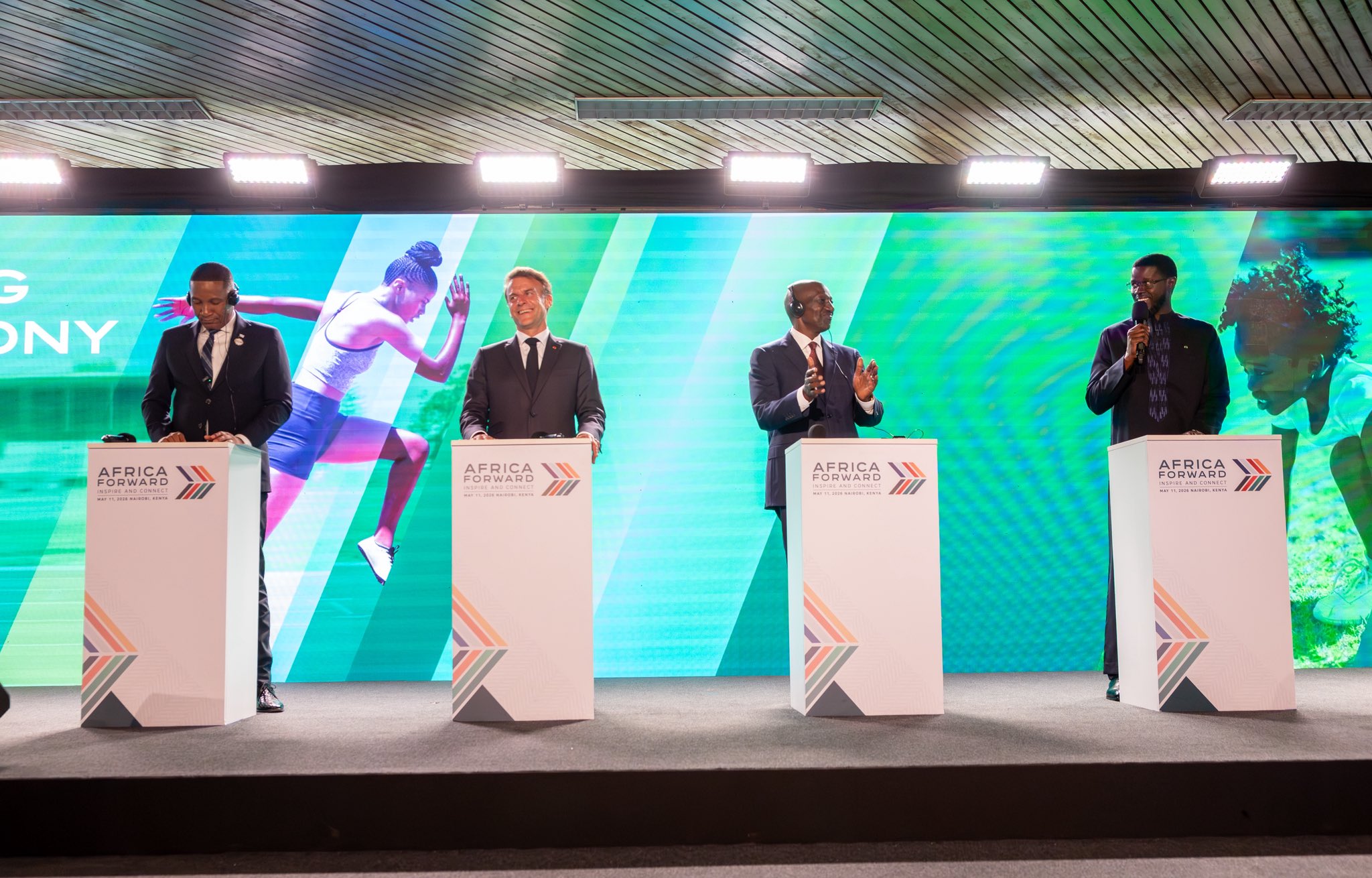
Nairobi, Kenya — The simmering football feud between Senegal and Morocco erupted in diplomatic circles this week, casting a shadow over high-level talks at the Africa-France Summit. The controversy revolves around the contentious African Cup of Nations (AFCON) final outcome in January, which has since escalated into a full-blown legal and diplomatic standoff.
During a sports and development session in Nairobi, Senegalese President Bassirou Diomaye Faye seized the moment to celebrate his nation’s continental triumph. “This year has been special for Senegal, starting with an African championship title,” he declared, drawing thunderous applause from the audience. The remarks, delivered alongside French President Emmanuel Macron, appeared to unsettle Patrice Motsepe, president of the Confederation of African Football (CAF), who was present at the event.
The tension stems from the CAF’s March ruling, which controversially awarded Morocco a 3-0 victory on forfeit after Senegal had secured a 1-0 extra-time win on the field in Rabat. The Senegalese Football Federation (FSF) condemned the decision as an “administrative heist” and swiftly filed an appeal with the Court of Arbitration for Sport (CAS) in Lausanne. The legal battle now drags on, with both sides submitting defense briefs to the Swiss tribunal, leaving the football world in suspense.
Morocco skips sports session amid lingering resentment
Morocco was represented at the summit by Prime Minister Aziz Akhannouch, who focused discussions on industrial and renewable energy cooperation. However, no Moroccan official attended the sports-themed segment, where Senegal’s triumph was prominently celebrated. “They chose not to engage in that conversation,” noted a close observer of the dispute. Four months after the chaotic final in Rabat, the mutual avoidance is striking—even as diplomats in Nairobi steered clear of the topic.
French officials downplayed the dispute’s prominence. Eléonore Caroit, France’s deputy foreign minister, stated after the summit’s closing session, “Given the attention it has received, I expected to hear about it. I participated in numerous roundtables over two days, yet heard nothing on the matter and detected no tensions.” Her counterpart, Jean-Noël Barrot, acknowledged that while the football feud wasn’t aired publicly, it lingers in bilateral talks. “This isn’t just about football,” he remarked.
Legal and diplomatic fallout intensifies
The conflict has spilled beyond the pitch into legal and diplomatic realms. A French national, accused of throwing a water bottle at police during post-match stadium unrest, served three months in a Moroccan prison before being released on April 18 after an appeals court reduced his sentence. His claim of innocence went unheard in the courtroom.
Meanwhile, 18 Senegalese supporters were jailed for varying periods following convictions for violence and property damage. Three were freed on April 18, but only after completing a traditional pilgrimage to the Tijaniyya mausoleum in Fès. The remaining 15 face sentences ranging from six months to a year, with their fate now resting solely in the hands of King Mohammed VI, who holds exclusive clemency powers.
Diplomatic rhetoric masks deeper strains
Despite the acrimony, both sides insist on preserving appearances. Moroccan officials have emphasized that “our shared religious and historical ties must always take precedence over a football match.” In Dakar, a measured tone prevails: “This is a dispute between brothers—like the tongue and teeth, we sometimes clash. The diplomatic path will find a resolution. Senegal respects each nation’s sovereignty and expects the same in return.”
The fallout has even reached the FIFA Congress. At the late-April gathering in Vancouver, the International Football Association Board (IFAB) adopted the so-called “Pape Thiaw Rule,” named after Senegal’s coach who encouraged his players to walk off the field in protest of a contentious penalty call in the final. The new regulation empowers referees to issue red cards to players who leave the pitch or to coaches who incite such actions. A CAF delegate present at the congress quipped that the rule aims to prevent “a ‘Senegalization’ of world football.”
From legal battles in Lausanne to detained supporters in Morocco and diplomatic maneuvering in Nairobi, the AFCON final controversy shows no signs of fading. It has become one of the most protracted sagas in African football history, leaving both nations—and the continent’s sporting diplomacy—deeply divided.

 Boureima Amadou