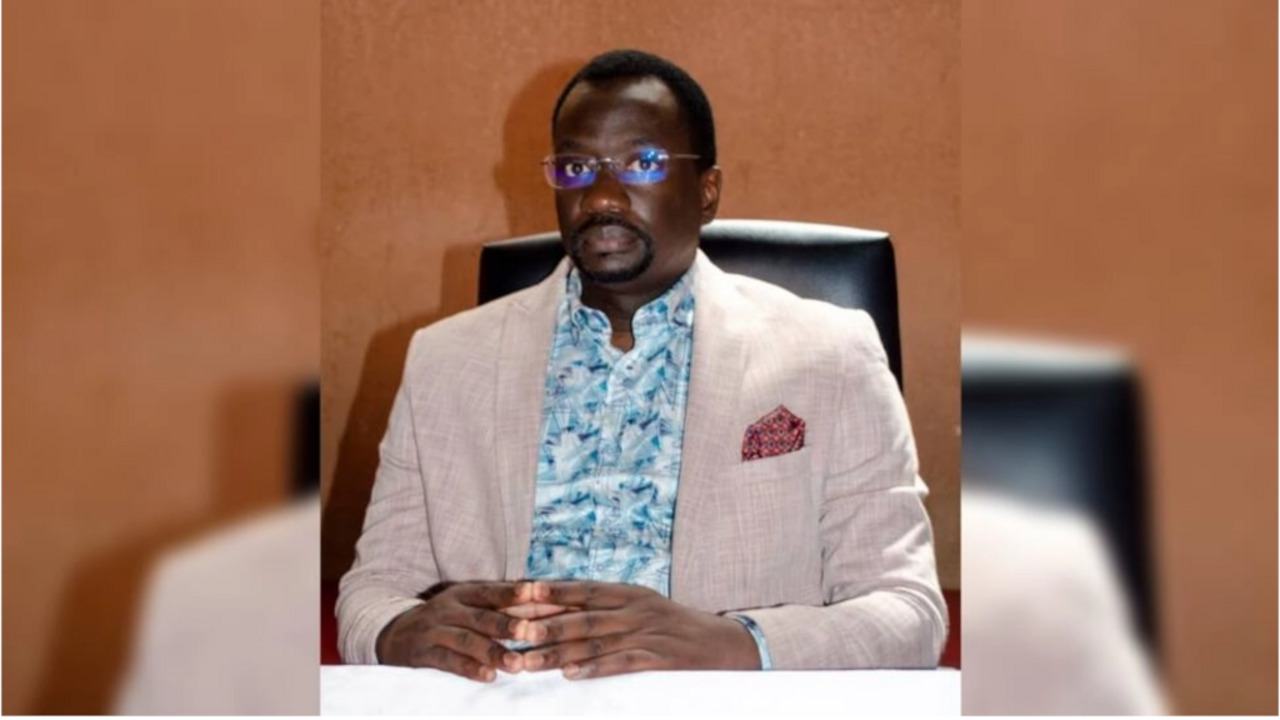
Boureima Amadou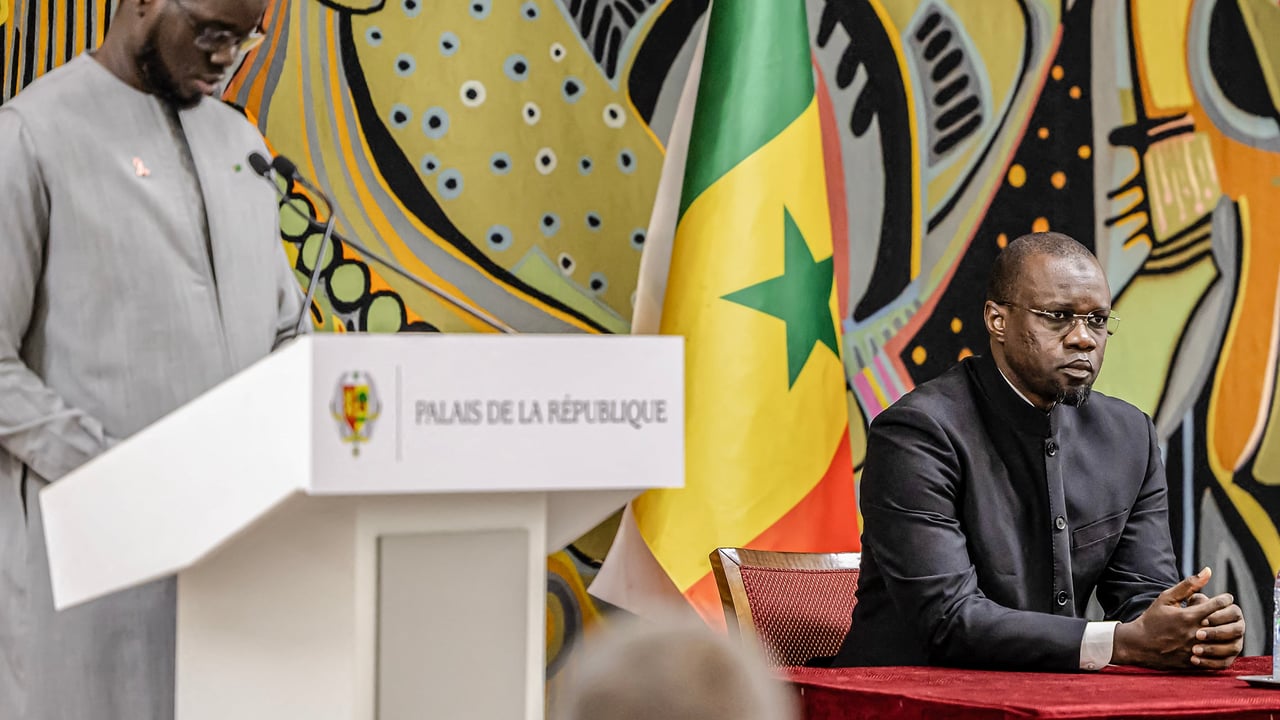

During a national celebration press briefing on April 4, 2025, President Bassirou Diomaye Faye made his intentions clear: a sweeping constitutional reform is on the horizon. With emphatic words, he declared his vision of a presidency stripped of excessive powers, envisioning a system where strong directors-general, ministers, and a highly empowered Prime Minister would share governance responsibilities. “I don’t want to be the kind of president who holds all the authority,” he stated, signaling a potential shift in Senegal’s political landscape.
Constitutional reform in Senegal: a strategic move for Ousmane Sonko?
While the President’s proposal aims to decentralize executive authority, political observers are questioning who stands to benefit most from this restructuring. Analysts suggest that the proposed changes could significantly strengthen the position of opposition leader Ousmane Sonko, particularly in light of the current political dynamics in the country.
Key changes that could reshape Senegal’s political balance
Several elements of the constitutional reform under discussion could directly impact Sonko’s trajectory:
- Reduced presidential powers: The proposed amendments seek to limit the head of state’s unilateral decision-making authority, potentially creating a more balanced power distribution between institutions.
- Enhanced role for the Prime Minister: A strengthened Prime Minister’s position could provide Sonko’s party, Pastef, with greater influence if the opposition gains control of the government in future elections.
- Decentralization efforts: Reforms aimed at empowering regional authorities might align with Sonko’s long-standing advocacy for grassroots governance, strengthening his political base.
Strategic timing: why now?
The timing of this constitutional overhaul raises questions. With Bassirou Diomaye Faye at the helm since April 2024, the reform could serve dual purposes: reinforcing democratic principles while positioning potential successors—including Sonko—for future leadership roles. Critics, however, warn that such sweeping changes could also consolidate power in unforeseen ways.
Potential risks and reactions
The proposed reforms have sparked debate across Senegal’s political spectrum. Supporters argue that decentralization will curb executive overreach and foster transparency, while skeptics caution that ambiguous clauses in the draft could be manipulated to serve specific interests. Meanwhile, Sonko’s allies have cautiously welcomed the initiative, framing it as a step toward the “restoration of democratic balance.”
What’s next for Senegal’s constitutional evolution?
As the reform process unfolds, all eyes are on the National Assembly, where debates promise to be intense. The final text will determine whether Senegal moves toward a more collaborative governance model—or whether the changes will inadvertently pave the way for new power imbalances. One thing is certain: the outcome will have lasting implications for Ousmane Sonko and the future of Senegalese politics.