Boureima Amadou
An unprecedented warning reshapes Sahel travel in 2026
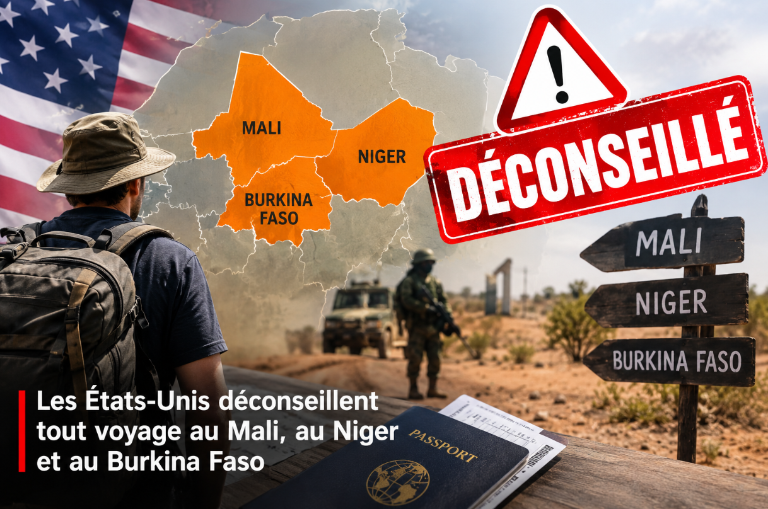
The United States has just delivered its most severe travel advisory for the Sahel, placing Niger, Mali, and Burkina Faso under a Level 4: Do Not Travel alert. This decisive move signals a turning point—not just for the region, but for global travelers and businesses with stakes in West Africa. The warning arrives at a critical juncture, as armed groups escalate their campaigns of violence, kidnappings, and criminal enterprises across these three interconnected nations.
What Level 4 means: risks that cross borders and escalate urgency
The US State Department’s highest advisory level is not issued lightly. In 2026, it now blankets Niger, Mali, and Burkina Faso due to overlapping threats: terrorism, widespread kidnappings, violent crime, civil unrest, and public health risks. These dangers are not confined to remote areas—they spill into urban hubs and disrupt transportation corridors, making movement unpredictable and hazardous.
While each country faces unique dynamics, the regional spillover effect cannot be ignored. Militant factions active in one nation often operate across borders, exploiting porous frontiers to launch attacks, abduct civilians, and destabilize local governance. The result is a security landscape where no zone—whether capital or countryside—can be considered entirely safe.
Mali: terror networks and embattled stability
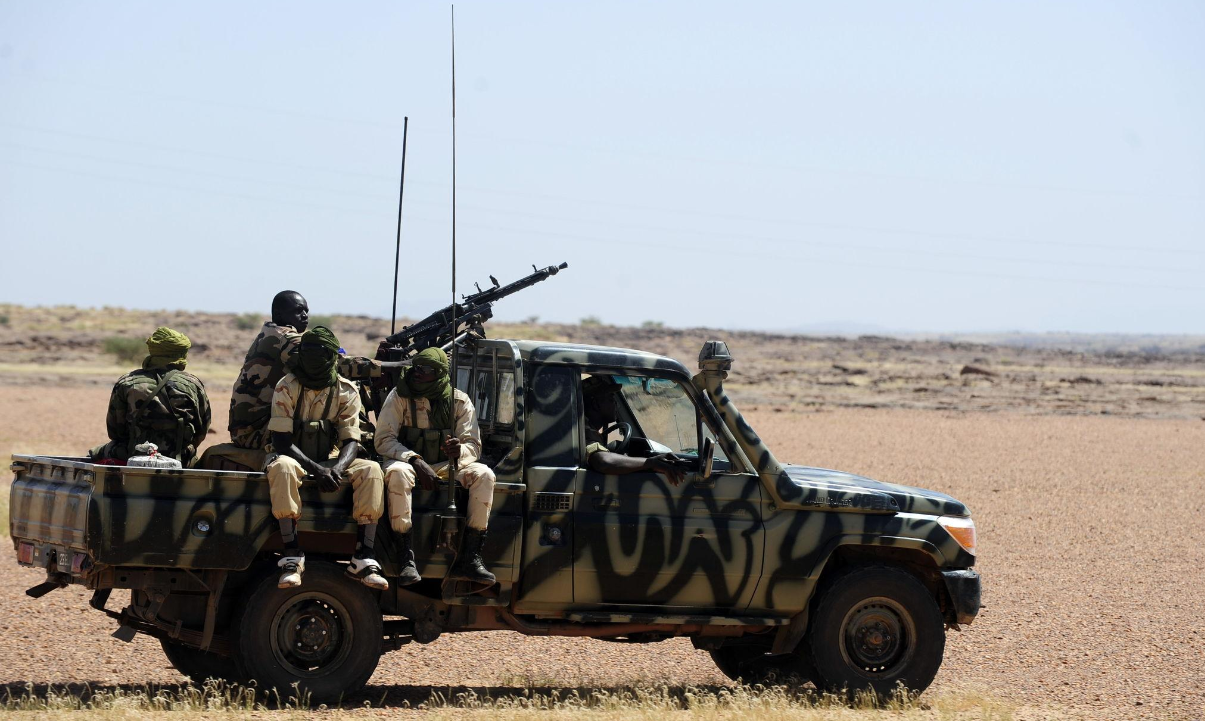
In Mali, the US advisory reflects a crisis deepening since early 2026. Al-Qaeda-affiliated and Islamic State-linked militants have intensified operations in central and northern regions, targeting security forces, aid workers, and civilian communities. Even Bamako, once viewed as relatively stable, now faces persistent risks, including bombings and armed incursions.
American personnel stationed in Mali have been restricted from traveling outside the capital, underscoring the fragility of the situation. For private travelers, this means consular support may be delayed or unavailable in high-risk scenarios—especially during kidnapping incidents, which have surged in frequency and scale.
Niger: a growing hub of extremist violence
Niger’s inclusion in the Level 4 advisory highlights a rapid deterioration in security, particularly along its borders with Burkina Faso and Mali. Militant groups have seized control of key transit routes, including highways and trade corridors, forcing closures and disrupting supply chains. The capital, Niamey, remains relatively sheltered but is increasingly isolated as surrounding regions become no-go zones.
Travel restrictions imposed on US government employees reflect the real constraints faced by any foreign visitor. Emergency evacuations or rapid consular assistance outside major cities are now almost impossible to guarantee—raising serious concerns for NGOs, journalists, and business travelers.
Burkina Faso: where terror spreads and communities fracture
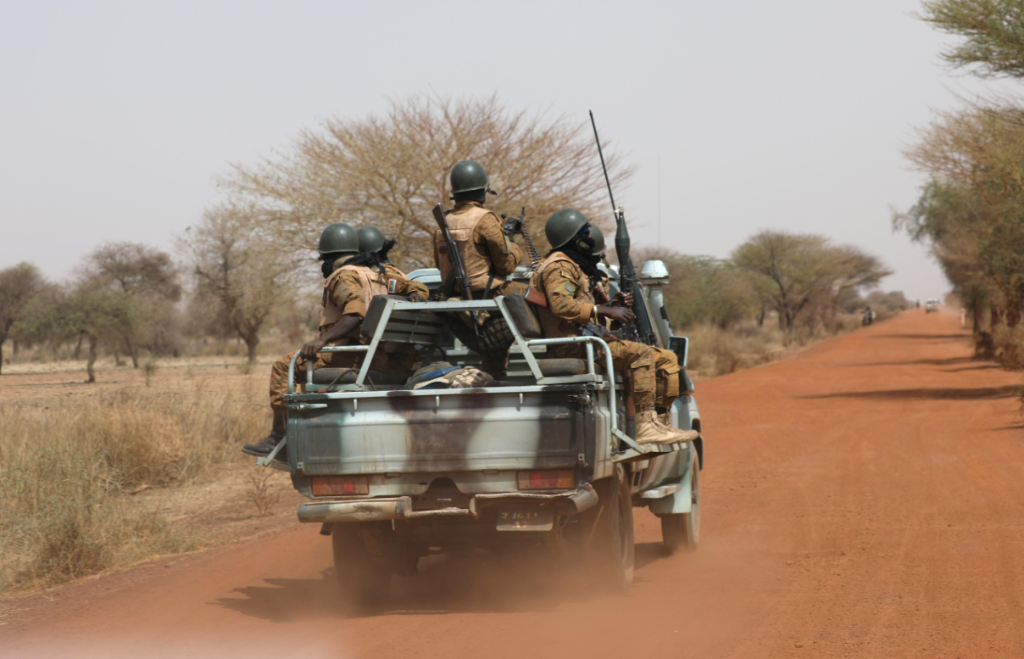
Burkina Faso stands at the heart of the Sahel’s worsening crisis. Jihadist factions have expanded their reach into the southwest and northern provinces, carrying out coordinated assaults on military outposts, mining sites, and civilian settlements. The surge in kidnappings—especially targeting foreign workers in extractive industries—has turned the country into a high-risk destination for economic actors.
Even in Ouagadougou, the capital, risks remain elevated. Hotels, restaurants, and public spaces have become potential targets, forcing both locals and expatriates to adopt heightened vigilance. The US government’s travel restrictions for its personnel outside the capital speak volumes: safety cannot be assumed anywhere in the country.
Beyond the Sahel: a continent on edge
While Niger, Mali, and Burkina Faso dominate headlines, other African nations face elevated risks. Nigeria’s northern regions are under Level 4, while the Central African Republic and Chad remain on high alert. Cameroon and Mozambique, though not blanket Level 4 zones, carry warnings in specific provinces due to militant activity and crime.
This scattered but growing pattern of insecurity reflects a broader trend: militant organizations are exploiting weak governance, porous borders, and humanitarian vacuums to expand their influence. The result is a continent where travel advisories are no longer isolated incidents but part of a systemic shift in risk perception.
What travelers and businesses must do now
For those still considering trips to the Sahel, the US advisory is clear: avoid non-essential travel to Niger, Mali, and Burkina Faso. But the implications go further. Insurance policies may not cover crises in Level 4 zones. Evacuation plans must be prearranged, and contingency routes should be mapped—knowing full well that they may become impassable overnight.
Businesses with operations in the region are reassessing supply chains, staffing, and logistics. Humanitarian organizations are pausing field missions or withdrawing personnel. The economic ripple effects are already visible: tourism has collapsed, investment flows are slowing, and local markets are struggling under the weight of instability.
The road ahead: can the Sahel turn the tide?
The US Level 4 advisory is not just a warning—it’s a call to action. Governments, regional blocs like ECOWAS, and international partners are under pressure to address the root causes of the crisis: militant recruitment, weak state control, and the humanitarian fallout from years of conflict.
Yet for now, the immediate reality is stark. Travelers and investors alike must weigh the gravity of the situation. The Sahel’s trajectory in 2026 will be shaped by whether this turning point sparks decisive countermeasures—or deepens the cycle of violence and isolation.

 Mariama Hamani