Boureima Amadou
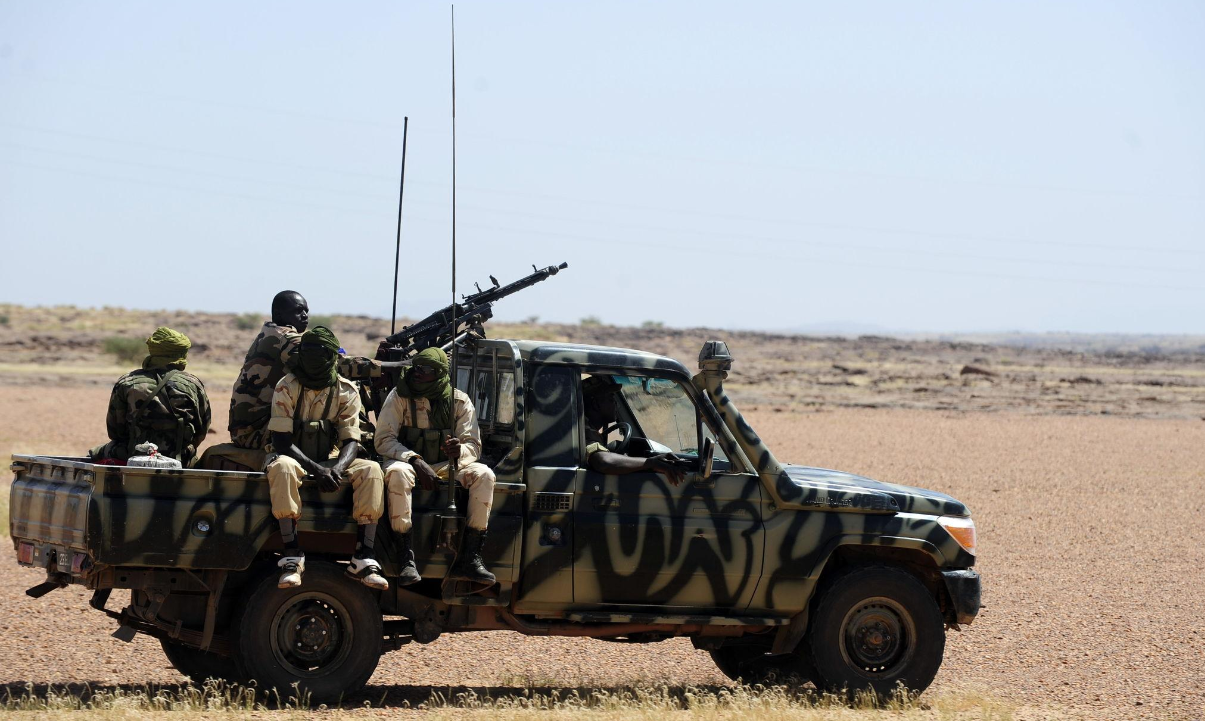
The Agadez-Arlit road, a vital lifeline in northern Niger, has reached a turning point after a brutal ambush left at least 11 people dead and sent shockwaves through communities relying on this crucial route.
Catastrophic assault rocks Niger’s northern transport artery
On October 20, 2026, armed assailants launched a premeditated attack on passenger buses traveling along the Agadez-Arlit highway, approximately 35 kilometers from Agadez. According to preliminary reports, the assault involved multiple vehicles and escalated into intense gunfire exchanges, leaving ten civilians and one member of Niger’s defense forces killed. Several others sustained severe injuries, adding to the growing humanitarian toll of the incident.
The violence unfolded with shocking rapidity, catching passengers and security personnel off guard. While official confirmations are still pending, eyewitness accounts describe the attackers as highly coordinated, suggesting a deliberate strike rather than a random act of banditry. The presence of defense forces among the casualties raises urgent questions about defensive protocols and emergency response effectiveness.
A lifeline under siege: Why the Agadez-Arlit route matters
The Agadez-Arlit corridor is more than a road—it’s the economic backbone of northern Niger. Connecting Agadez, a historic crossroads of trans-Saharan trade, with Arlit—a key mining and commercial hub—this route facilitates movement for thousands of travelers, traders, and workers daily. Disruptions here don’t just mean delayed journeys; they threaten livelihoods, supply chains, and regional stability.
For local families, the road represents access to healthcare, education, and family reunions. For businesses, it’s a critical link to markets in southern Niger and beyond. When attacks like this occur, the ripple effects are immediate: transportation costs skyrocket, alternate routes become essential (if available), and confidence in public safety erodes. In a region where geography already limits mobility options, the loss of trust in this route could have devastating long-term consequences.
Security failures echo: What went wrong, and who’s accountable?
The ambush has thrust Niger’s security infrastructure into the spotlight, exposing vulnerabilities in protecting civilians on high-risk roads. With vast Saharan landscapes and sparse infrastructure, monitoring remote routes like Agadez-Arlit is notoriously difficult. Yet this attack—whether by insurgents, armed bandits, or other groups—demands answers:
- Why were defense forces present on the bus? Initial reports suggest military personnel were aboard, raising questions about operational protocols and why they were not better positioned to respond.
- What delayed emergency response? With multiple casualties, the time taken to secure the area and evacuate the wounded remains a critical unknown.
- Where was the intelligence failure? The attackers’ ability to strike such a strategic route with apparent impunity points to gaps in surveillance, patrols, or informant networks.
Public outrage is mounting, not just over the attack itself but over the broader failure to ensure safe passage for Nigeriens navigating their own country. Authorities now face pressure to not only investigate this incident thoroughly but to implement tangible improvements in road security.
Human cost overshadows numbers: Voices from the ground
Behind the statistics are real people—fathers returning from work, students heading to school in Agadez, merchants transporting goods to Arlit. Families of the deceased are grappling with loss, while survivors cling to hope amid physical and emotional trauma. The psychological impact of such violence cannot be overstated; fear now lingers on every journey.
Healthcare facilities in the region are bracing for the influx of critically injured victims, though limited resources may delay treatment. Meanwhile, local leaders are calling for transparent communication to prevent misinformation from deepening the crisis. Speculation and unverified reports only add to the suffering of those already affected.
Road ahead: Can trust be restored on Niger’s deadliest highway?
As Niger’s government pledges to uncover the truth and bolster security, the nation holds its breath. Will this attack finally catalyze the changes needed to protect travelers, or will it remain a grim reminder of the region’s unrelenting instability?
For the families of the victims, justice is non-negotiable. For the millions who depend on this route, the demand is clear: no more ambushes on our roads.
What travelers need to know now
- Travel advisory: Avoid non-essential travel on the Agadez-Arlit highway until further notice.
- Local impact: Businesses and families in northern Niger face escalating costs and disruptions.
- Government response: Authorities are under scrutiny to deliver actionable security reforms.


 Mariama Hamani