Confrontation in the Great Lakes: Paul Kagame warns against eliminating M23 rebels
- politics
Rwanda’s determination in the face of rising tensions
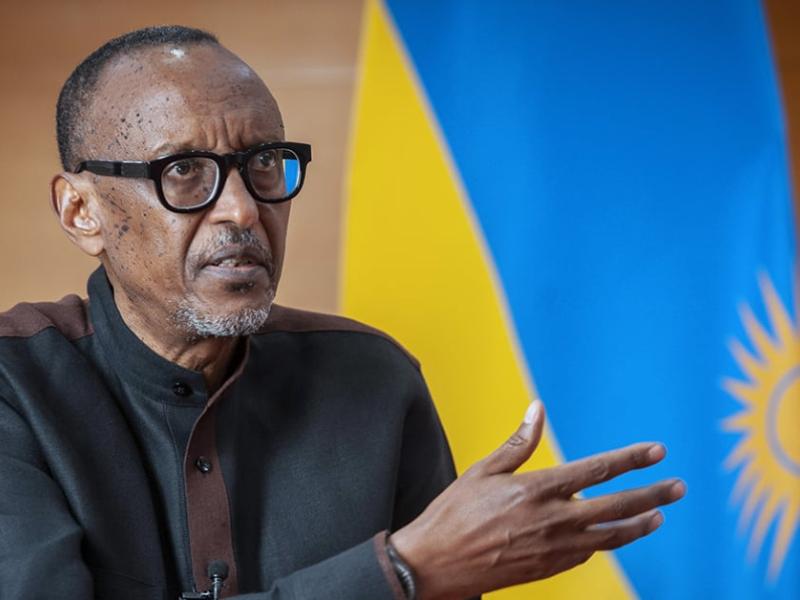
The president of Rwanda, Paul Kagame, delivered a resolute address to the National Executive Committee of the Rwandan Patriotic Front (FPR) on Friday, July 17, 2026, reaffirming his country’s unwavering stance against external threats amid ongoing instability in the Great Lakes region.
Facing growing pressure, including sanctions imposed by the United States, Kagame dismissed attempts to silence Rwanda’s security concerns, emphasizing that such efforts would only be countered with decisive action. He stated, *“Silencing people will be harder than some imagine. Telling us to be silent means supporting those who might harm you, just as they did before. The only way to silence me is when I am dead.”*
Rejecting discriminatory narratives
The Rwandan leader condemned the unequal valuation of human life, rejecting any suggestion that some lives are worth more than others. *“Degrading everything and making people believe that some lives matter more than others is not our policy. It is not the policy of the FPR,”* he declared. *“Rwanda is a small country, insignificant in many ways. You can harm us, but wishing for our disappearance is not a minor matter.”*
Escalating tensions over the M23 crisis
Kagame addressed the persistent conflict in eastern Democratic Republic of the Congo (DRC), where the M23 rebel group—backed by Rwanda, according to Western governments and UN reports—continues to control large areas of North Kivu and South Kivu provinces. While Kigali denies involvement, Kagame warned that calls to dismantle the M23 were tantamount to targeting Rwanda itself.
“*When they say they will make the M23 disappear, they mean Rwanda will disappear too. I cannot wish for such a thing, but if it happens—and if I fail to prevent it—I believe they will find us prepared,*” he asserted.
A deteriorating security landscape
Despite diplomatic efforts such as the Washington Accord and the Doha Process, mediated by Qatar, the security and humanitarian situation in eastern DRC has worsened. The Montreux phase in Switzerland, intended to revitalize peace talks between Kinshasa and the M23, yielded no significant breakthroughs. Calls for compliance with peace agreements have gone unheeded, with each party interpreting accords through its own lens, further complicating mediation efforts.
Kagame’s remarks underscore Rwanda’s resolve to defend its sovereignty, even as regional and international actors struggle to address the root causes of the crisis. The standoff highlights the fragile balance of power in the Great Lakes, where historical grievances and geopolitical interests continue to fuel instability.

Mariama Hamani
Journalist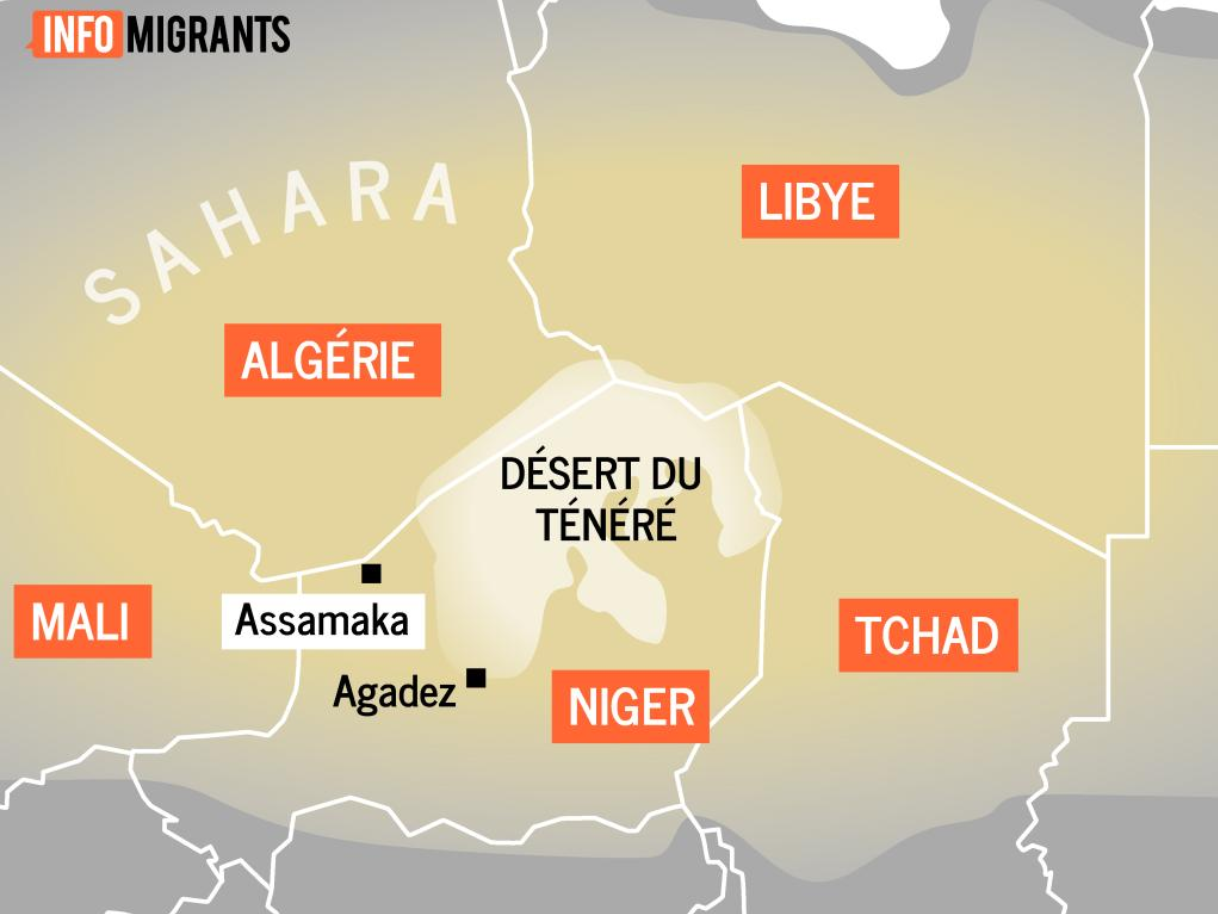
Mariama Hamani
- Politics
- October 23, 2026
- 18 views
Algeria’s parliament session marks a decisive shift in Sahel military strategy
The urgent summoning of Algeria’s parliamentary chambers on October 25 signals a potential watershed in the nation’s military engagement across the Sahel. While speculation swirls around a deeper commitment in…
Boureima Amadou
- Politics
- October 23, 2026
- 19 views
Gabon’s decentralisation: a pivotal shift from responsibility to real empowerment
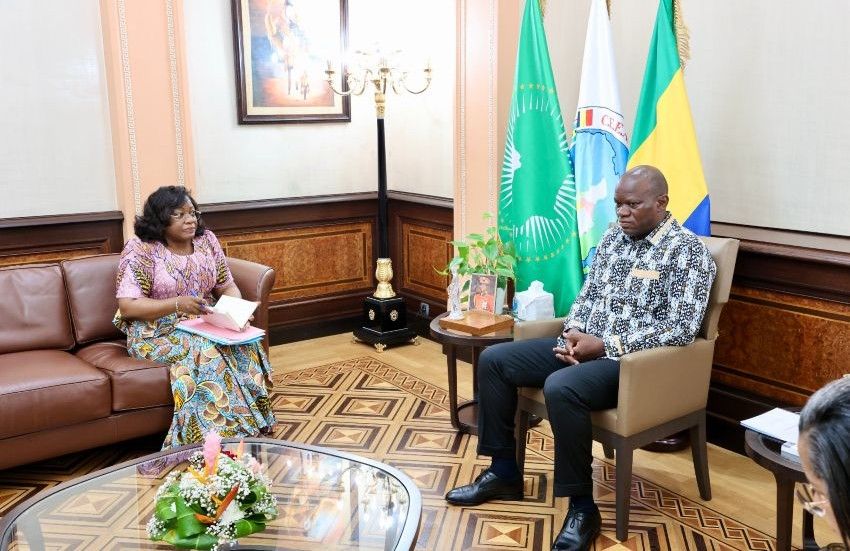
Politics Gabon’s decentralisation: a pivotal shift from responsibility to real empowerment Libreville, friday 23 october 2026 – president Brice Clotaire Oligui Nguema met with senate president Huguette Nyana Ekoume Awori…
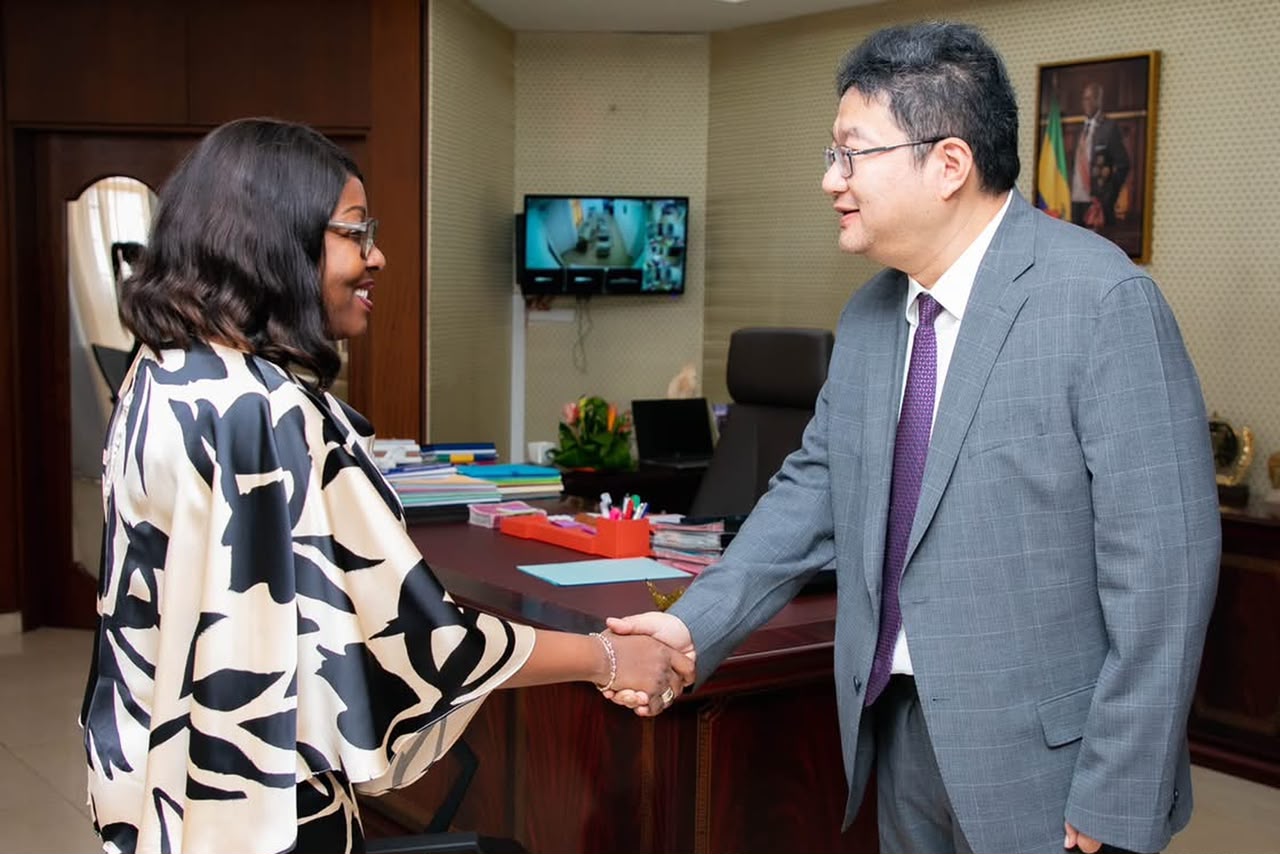
Gabon’s administrative revolution: China’s expertise sparks a governance breakthrough
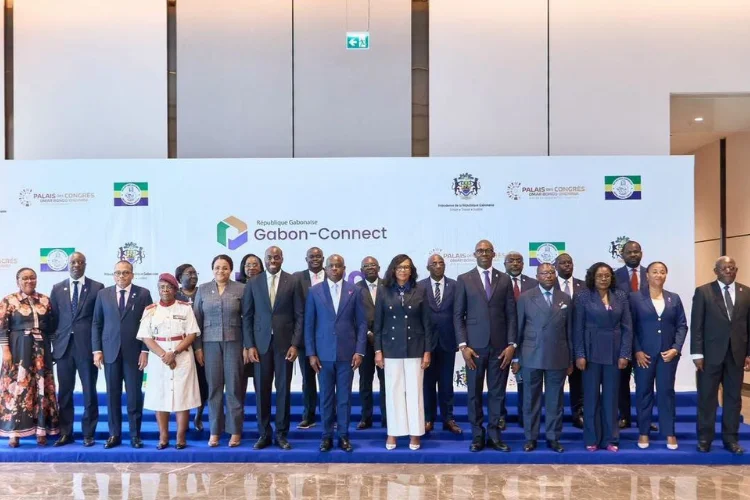
Gabon connect unleashes a new era for public services and revenue collection
Algeria’s parliament session marks a decisive shift in Sahel military strategy
Benin’s decisive shift: how bold reforms catapulted it into the global economic freedom top 100
The breakthrough moment: how a Cameroun martial artist’s death spotlights Russia’s african recruitment crisis

Ukraine’s decisive move: freezing the war without ceding land