Boureima Amadou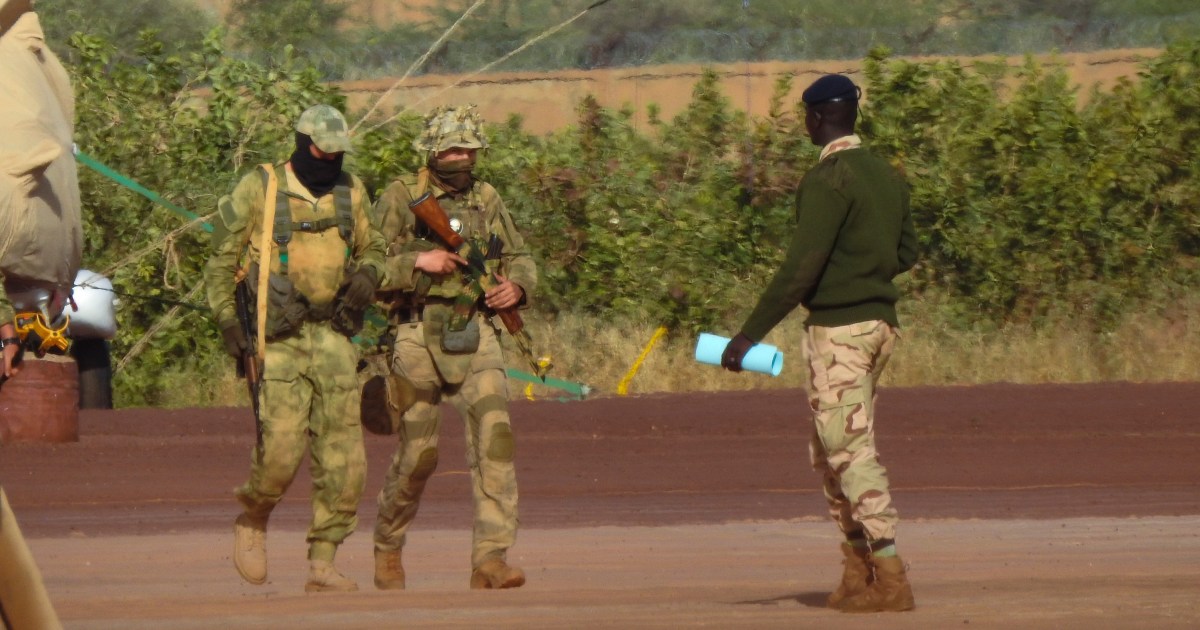
Understanding Russia’s expanding footprint in Mali’s security landscape
As Mali grapples with escalating attacks by armed factions, the presence of Russian security forces has come under intense scrutiny. Following coordinated offensives by Tuareg separatists and al-Qaeda-linked militants, the Malian government acknowledged receiving air support from Russian units to defend key installations, including the presidential palace in Bamako.
The ongoing instability in Mali has raised serious questions about the effectiveness of Bamako’s military alliances, particularly with Moscow. Despite claims of controlled security situations by Malian authorities, armed groups continue to seize territory, including the northern city of Kidal, where Russian-backed forces were previously stationed.
Russia’s evolving military presence in Mali
Mali’s security challenges have intensified since 2021, prompting Bamako to seek external support. The transition from the Wagner Group to the Africa Corps—Russia’s state-controlled military unit—marked a strategic shift. While Wagner operated as a private entity, Africa Corps functions under the direct command of the Russian Defence Ministry, signaling a more formalized approach to regional security engagements.
Analysts note a key difference in tactics: Wagner fighters were known for aggressive offensive operations, whereas Africa Corps has adopted a more cautious, defensive posture. This shift may have contributed to the group’s rapid withdrawal from Kidal during recent attacks, leaving behind substantial military equipment.
Key developments in recent clashes
- Simultaneous offensives: A coordinated attack by the Azawad Liberation Front (FLA) and Jama’at Nusrat al Islam wal Muslimin (JNIM) targeted multiple cities, including Bamako, Gao, Sevare, and Kati.
- Loss of strategic territory: The seizure of Kidal, a Tuareg stronghold, dealt a symbolic blow to Mali’s stability and Russia’s perceived influence in the region.
- Russian withdrawal: Africa Corps confirmed a coordinated exit from Kidal, citing joint decisions with Malian authorities. Reports suggest negotiations involved neighboring Algeria.
Russia’s strategic interests in the Sahel
Moscow has positioned itself as a non-colonial alternative to Western security partnerships in the Sahel. Following France’s withdrawal in 2022, Russia expanded its influence through the Africa Corps, positioning itself as a key security partner for Mali, Burkina Faso, and Niger.
While Wagner’s presence was more prominent in Mali, Africa Corps operates in a supervisory capacity in neighboring countries, with limited troop numbers—approximately 100 in Niger and between 100 and 300 in Burkina Faso.
Historical context: Wagner’s earlier successes, such as regaining control of Kidal in 2023, bolstered Russia’s reputation as a stabilizing force. However, recent events have eroded this perception, raising concerns about Moscow’s long-term commitment to regional security.
Controversial claims and unanswered questions
- Russian government statements: Africa Corps acknowledged providing air support to Malian forces but attributed its withdrawal from Kidal to a joint decision with Bamako. The Russian Defence Ministry also alleged that 12,000 attackers were trained by foreign mercenaries, though no evidence was provided.
- Allegations of inaction: A senior Malian official reportedly accused Russian forces of failing to act despite prior warnings from regional authorities.
- Civilian impact: Both Russian-backed forces and armed groups have been accused of targeting civilians, raising concerns about potential war crimes.
Impact on Russia’s reputation in West Africa
The recent failures in Mali have raised doubts about Russia’s ability to fulfill its security commitments in the Sahel. Analysts suggest that the loss of Kidal and the killing of Mali’s Defence Minister Sadio Camara—a key architect of the Russia-Mali partnership—have significantly damaged Moscow’s credibility.
Ulf Laessing, a regional expert from the Konrad-Adenauer-Stiftung think tank, stated, “Africa Corps has really lost credibility. They didn’t put up a fight on Saturday and have left Kidal, which is a highly symbolic Tuareg stronghold… this gives the impression that they don’t really care.”
With JNIM now threatening a siege on Bamako, the future of Russian involvement in Mali remains uncertain. The Africa Corps continues to claim ongoing operations against armed groups, but skepticism about its effectiveness persists.
Regional implications for the Sahel
Mali’s instability has broader consequences for the Sahel, as Burkina Faso and Niger also face escalating violence. While Africa Corps maintains a limited presence in these countries, its recent struggles in Mali may deter other nations from seeking similar partnerships.
As the situation evolves, the role of external actors like Russia in West Africa’s security landscape continues to be a topic of intense debate.


 Mariama Hamani