Mariama Hamani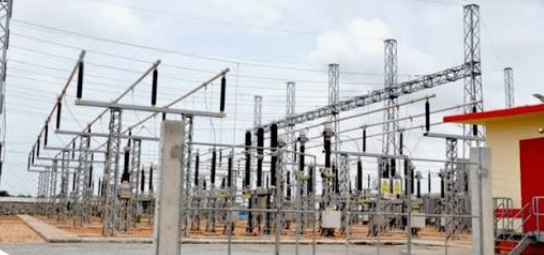
The West African power grid is facing unprecedented strain as Ghana grapples with severe electricity deficits. Following a devastating fire at the Akosombo dam complex on April 23, the country lost nearly 1,000 MW of generation capacity—prompting Accra to halt electricity exports to neighboring nations including Bénin, Burkina Faso and Togo.
For Bénin, this sudden disruption could have been catastrophic. Historically, such supply interruptions from Ghana would have plunged the nation into prolonged blackouts, disrupting homes and paralyzing the economy. Yet today, the country stands resilient—a testament to foresighted planning and strategic investments under the leadership of President Patrice Talon.
A resilient energy strategy built on Maria-Gléta 2
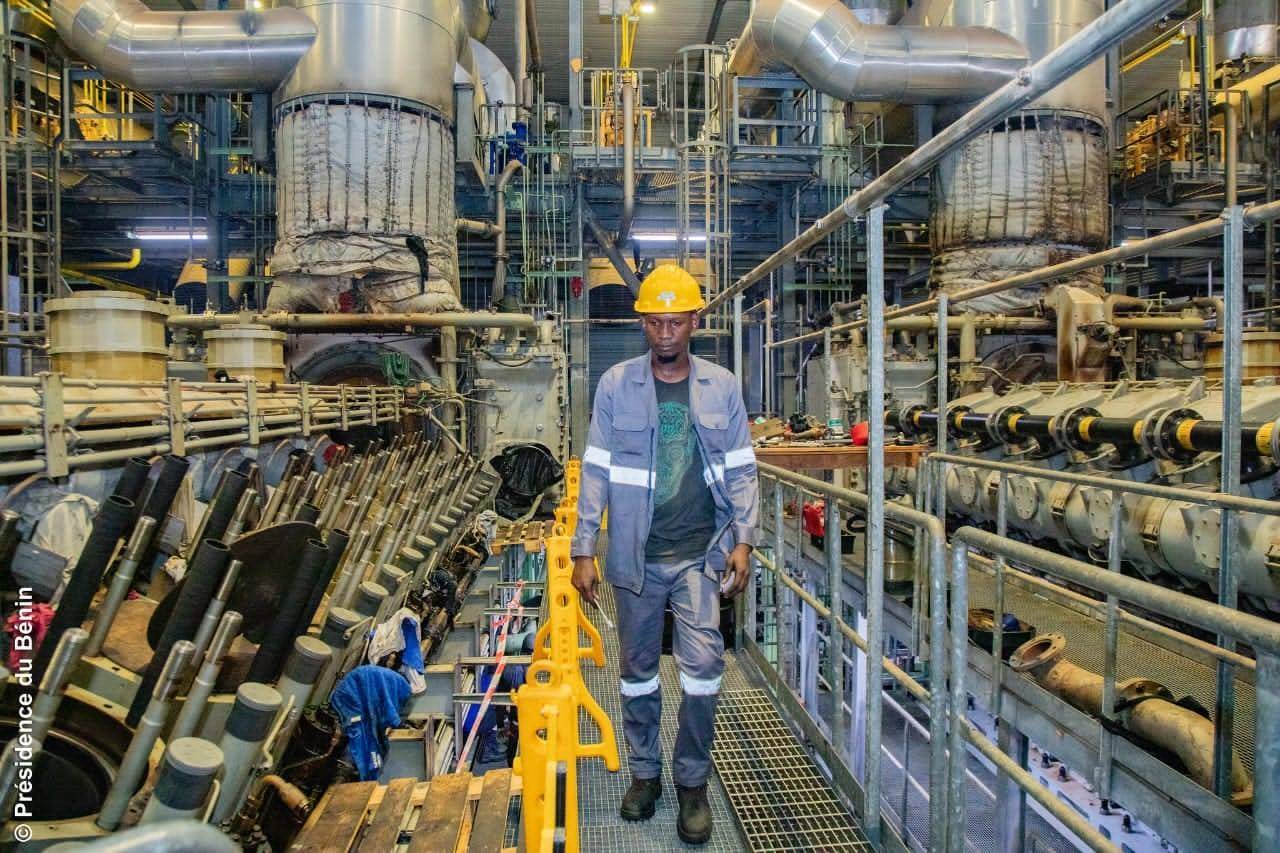
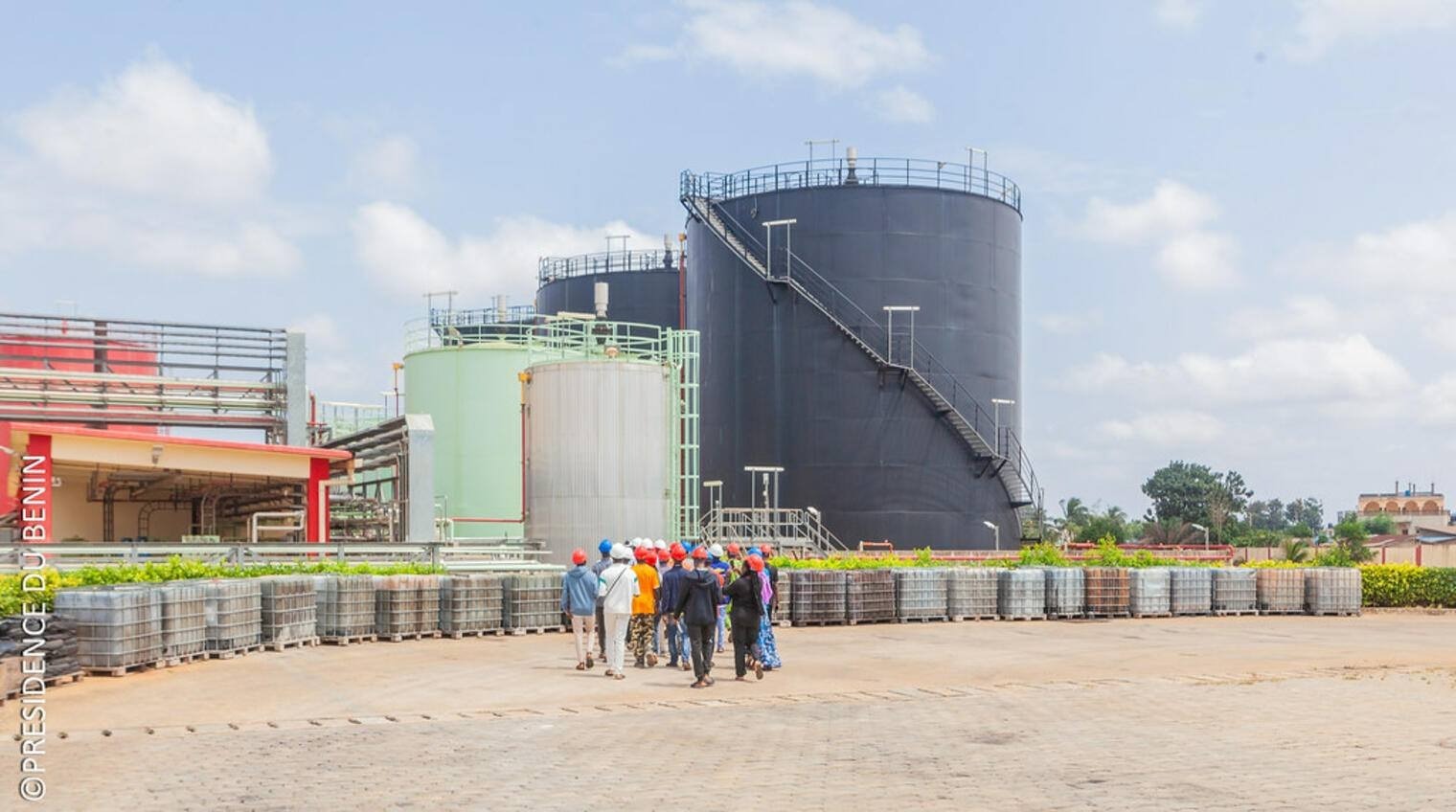
At the heart of Bénin‘s energy defense system lies the Maria-Gléta 2 thermal power plant, a cornerstone of the Programme d’Action du Gouvernement (PAG). Commissioned as part of a national drive for energy sovereignty, this facility has seamlessly ramped up output to offset the loss of imported power. What might have triggered a nationwide crisis is now managed as a controlled technical challenge—thanks to this critical infrastructure operating at full capacity.
Maria-Gléta 2 isn’t just a power station; it’s a strategic shield. It ensures that homes remain lit, businesses stay open, and the grid remains stable, even when external supply falters. Every megawatt produced locally strengthens national sovereignty and guarantees energy security for citizens.
Accelerating toward energy independence
The Talon administration has made energy autonomy a national priority. With the current disruption serving as a real-world stress test, the government is doubling down on its vision: modernizing the national grid and expanding renewable energy sources—particularly solar—to diversify the energy mix. The goal? Full energy independence. By reinforcing domestic thermal capacity and investing in clean energy, Bénin is reducing reliance on regional networks and shielding its economy from external shocks.
This crisis validates the bold decisions made since 2016. Investments in infrastructure like Maria-Gléta 2 have not only prevented blackouts but also laid the foundation for a sustainable, self-reliant energy future. The path forward is clear: energy independence is no longer a distant aspiration—it is being built today.
Proven resilience in action
While sporadic power cuts in recent weeks have reminded the nation of lingering regional dependencies, the current situation proves the wisdom of long-term planning. The investments made over the past eight years have created a buffer that transforms potential disaster into manageable challenges. Bénin is not just weathering the storm—it is emerging stronger, with energy security firmly within its grasp.

 Boureima Amadou