Boureima Amadou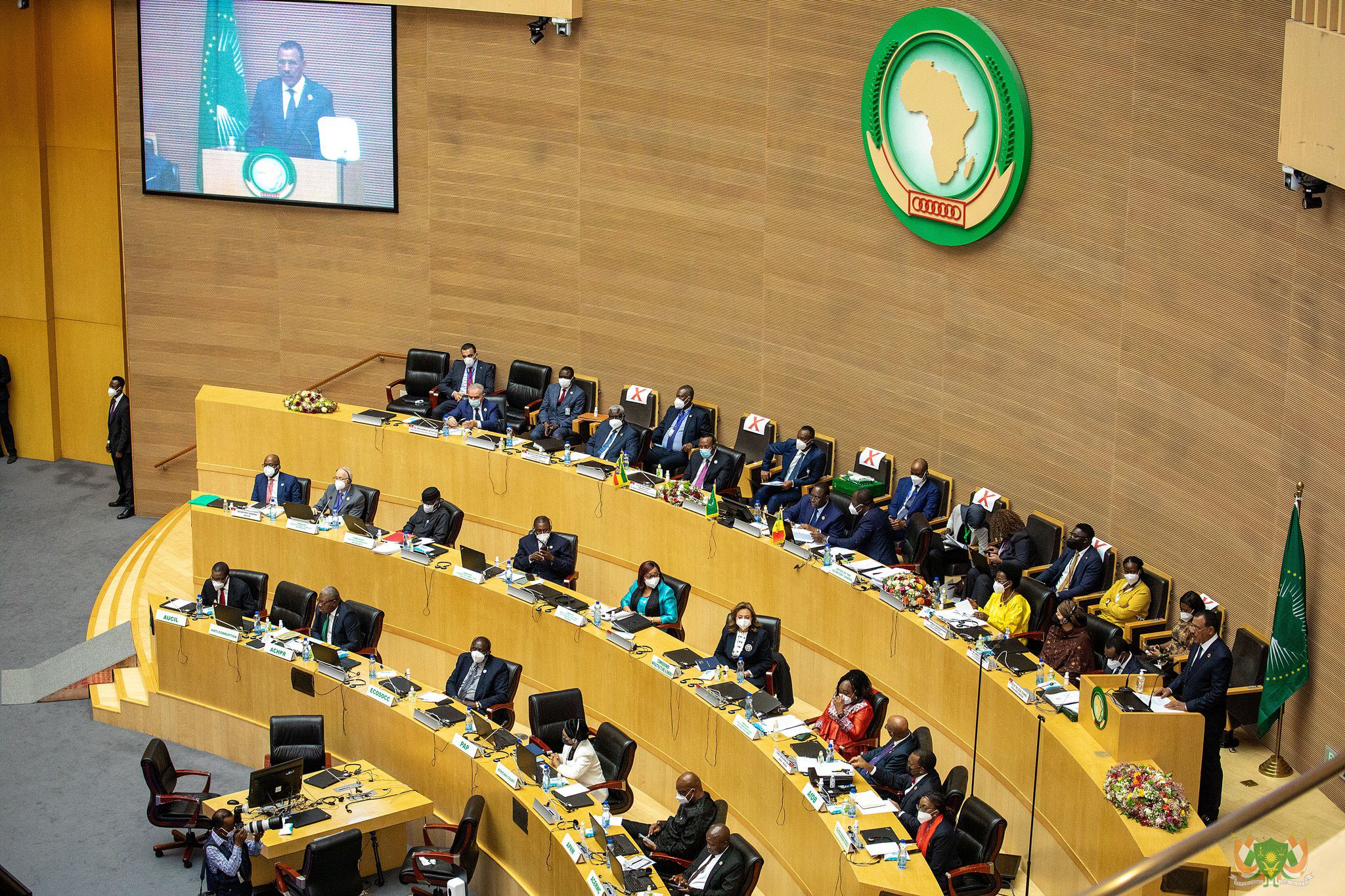
Marrakech – Morocco has once again demonstrated its steadfast commitment to Mali by reaffirming its solidarity before the African Union Peace and Security Council (AU PSC). The Kingdom condemned the recent coordinated terrorist and separatist attacks that struck multiple cities across the West African nation, labeling the assaults as reprehensible acts against both civilian and military targets.
The Moroccan delegation, addressing the AU PSC session dedicated to Mali’s crisis, expressed deep solidarity with the Malian people and government, offering heartfelt condolences to the families of victims. Morocco’s stance underscored its unwavering support for Mali’s sovereignty, security, and territorial integrity, while urging immediate international mobilization to counter the escalating threat.
rapid response and diplomatic consistency
Within hours of the attacks, Morocco swiftly condemned the violence, with a diplomatic source in Rabat stating, “The Kingdom of Morocco vehemently rejects these barbaric acts and stands firmly with Mali in its fight against terrorism and separatism.”
The attacks, orchestrated by al-Qaeda-affiliated militants and Tuareg separatists, targeted seven key cities, including Bamako, Kati, Kidal, and Gao. Among the casualties was Malian Defense Minister General Sadio Camara, killed in a suicide bombing at his residence in Kati. The strategic city of Kidal fell under rebel control as Russian mercenaries withdrew under agreements with armed groups.
Algeria’s shadow war and its regional implications
While Morocco’s solidarity with Mali has been swift and unambiguous, analysts highlight Algeria’s alleged role in what they describe as a systematic destabilization campaign against Bamako. Observers point to a sharp escalation in hostilities following Mali’s recent sovereign decisions—including the withdrawal of recognition for the self-proclaimed SADR and the endorsement of Morocco’s autonomy plan for Western Sahara.
Algeria’s reaction has been interpreted as punitive, reflecting its loss of diplomatic leverage in the Sahel. The Algerian state, which has long leveraged the Western Sahara conflict to maintain influence, views Bamako’s pivot as a strategic betrayal. Analysts argue that the coordinated attacks of April 25 were not isolated incidents but part of a broader campaign to reassert Algerian dominance in the region.
Mali has repeatedly accused Algiers of harboring separatist factions and interfering in its internal affairs. Reports indicate Algeria’s extensive history of funding, arming, and providing sanctuary to armed groups, with the Polisario Front serving as a prominent example of this destabilizing strategy.
information warfare and regional security
The Algerian media landscape reportedly launched a synchronized disinformation campaign, amplifying separatist narratives and inflating casualty figures within hours of the attacks. This coordinated propaganda effort, juxtaposed with Algeria’s domestic censorship of security threats, underscores a duality in its regional policy—suppressing terrorism at home while weaponizing it abroad as a tool of coercion.
The abrogation of the 2015 Algiers Accord by Mali’s transitional military council further dismantled Algeria’s primary instrument of control. With this leverage neutralized, observers suggest that Algiers has intensified proxy warfare, territorial destabilization, and information operations to reassert its influence.
Morocco’s partnership-first approach
In contrast to Algeria’s coercive tactics, Morocco has consistently advocated for a partnership-based approach in the Sahel. Speaking alongside Burkina Faso’s Foreign Minister in Rabat, Moroccan Foreign Minister Nasser Bourita emphasized Morocco’s commitment to mutual sovereignty and regional stability.
Bourita stated, “Sahel nations do not need guardians; they need partners.” He criticized the blackmail and manipulation employed by some regional actors, positioning Morocco as a reliable ally that offers expertise without political strings attached. This principled stance has reinforced Morocco’s role as a stabilizing force amid escalating tensions.


 Mariama Hamani