Boureima Amadou
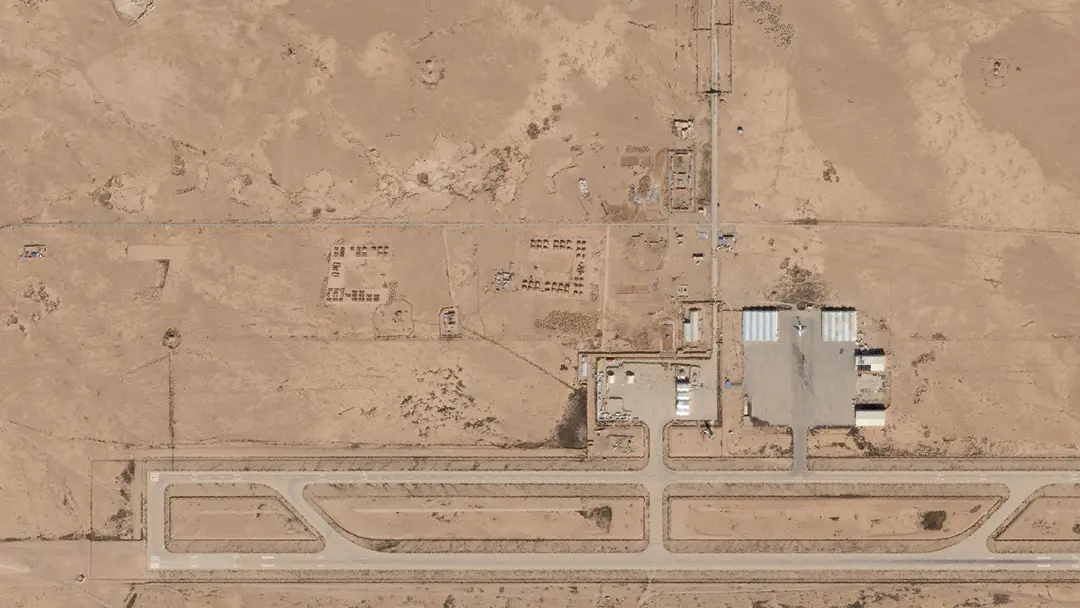
Recent observations reveal a significant increase in Russian military activities across six key air bases in Libya, raising serious security concerns across North Africa. Intelligence reports indicate Moscow is not only deploying advanced weaponry and personnel but also funding critical infrastructure projects to solidify its presence in the region.
The six air bases—Al-Joufra, Al-Khadim, Al-Qardabiyah, Brak Al-Shati, Maaten al-Sarra, and Tamenhant—are strategically positioned across Libya. Each base now houses sophisticated military equipment, including air defense systems, MiG-29 fighter jets, and unmanned aerial vehicles (UAVs). Russian military personnel and mercenaries operate openly within these facilities, with plans to expand operations further by investing in the port and air base of Tobruk.
From Syria to Libya: A Strategic Shift in Russian Military Operations
Before the fall of Syrian leader Bashar el-Assad in late 2024, Russia relied on Syria as its primary transit hub for arms, personnel, and logistical support in the Middle East. However, with the shift in regional dynamics, Moscow has redirected its focus toward Libya. Initially unsuccessful in securing a Libyan port, Russia has since advanced deep into the country’s interior, establishing a robust military footprint.
Analysts warn that Maaten al-Sarra, a key air base located near the borders of Chad and Sudan, serves as a critical staging ground for Russian destabilization efforts in the Sahel. Once abandoned following the 2011 Libyan conflict, the base was revitalized in late 2024 with the deployment of Syrian troops under Russian supervision. The restored infrastructure now enables direct military supply routes to Burkina Faso, Mali, and Sudan.
“A Russian presence at Maaten al-Sarra would allow Moscow to discreetly transfer weapons into Sudanese or Chadian territory,” noted military analyst Andrew McGregor in a recent assessment.
Obstacles to Peace and Regional Instability
The growing Russian military footprint in Libya is not only expanding Moscow’s influence but also complicating efforts toward national reconciliation. Foreign troops and mercenaries continue to operate with impunity, undermining fragile peace initiatives. Analysts emphasize that Russia’s involvement exacerbates divisions among Libyan factions, hindering sustainable peace agreements.
“The presence of Russian forces remains a major barrier to lasting peace,” stated political commentator Ali Bin Musa, highlighting how foreign-backed factions resist disarmament and reconciliation efforts.
Al-Khadim: A Hub for Arms Trafficking and Resource Exploitation
The air base near Benghazi has emerged as a central node for military operations, arms trafficking, and resource exploitation across the Sahel. Recent construction projects—including three new hangars, a recreational facility, and potential communication towers—were completed in 2025. By 2026, a new barracks structure had been added, indicating a long-term commitment.
Open-source investigations in 2025 documented a Gazprom executive traveling from Al-Khadim to a Russian-controlled mine in the Central African Republic, sharing photos on social media. Geolocation tools confirmed the presence of a Russian officer from the 102nd Motorized Infantry Division stationed at the base.
Al-Qardabiyah and Brak Al-Shati: Rapid Infrastructure Expansion
Russian forces first appeared at Al-Qardabiyah in 2022, linked to the Syrte international airport. By 2024, the base had undergone major upgrades, including renovated runways, new perimeter defenses, and a recently repaired hangar in 2025. Meanwhile, Brak Al-Shati, situated in southwestern Libya, has seen the construction of at least one new hangar and two maintenance buildings since March 2024. Personnel numbers at the base have grown from 300 to 450 since late 2024.
Tamenhant: Wagner’s Legacy and Africa Corps’ Continuing Role
Since mid-2023, the former Wagner Group mercenaries—now operating under the Africa Corps banner—have utilized Tamenhant air base in southern Libya to launch military operations and facilitate arms shipments to Sudan. Recent expansion efforts include new residential buildings, a renovated access road connecting runways to hangars, and runway modifications.

 Mariama Hamani