Mariama Hamani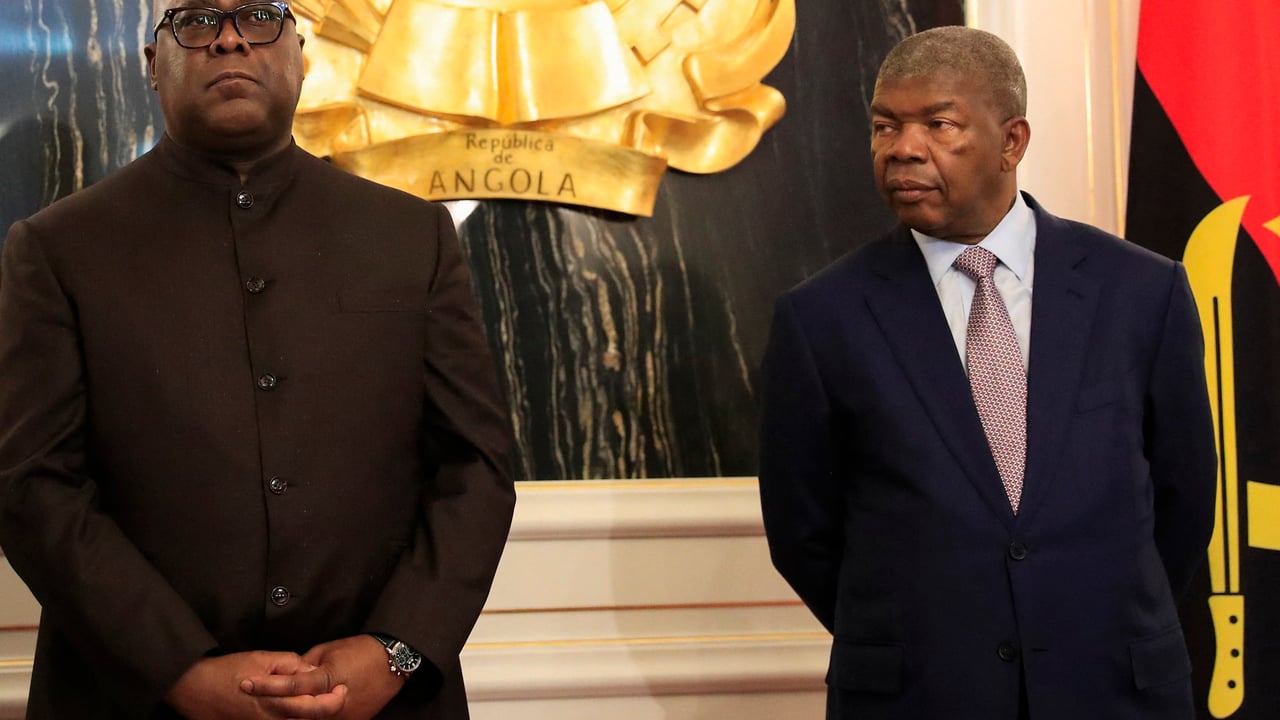
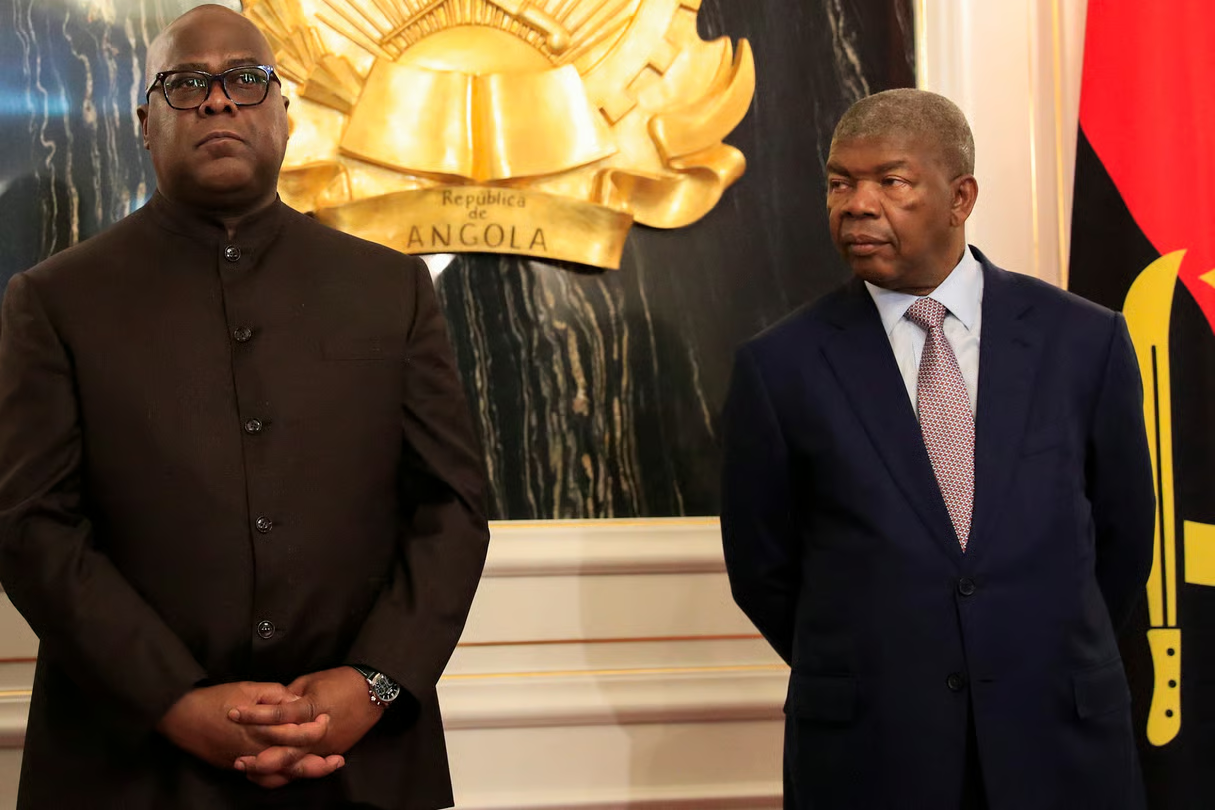
Behind the closed doors of Luanda’s presidential palace, a high-stakes diplomatic showdown unfolded in early January 2026. The meeting between Angola’s leader João Lourenço and his Congolese counterpart Félix Tshisekedi was meant to ease tensions, but instead exposed deepening rifts between the two nations. What began as an effort to foster regional stability quickly escalated into a tense exchange, revealing underlying strategic disagreements that threaten to reshape alliances in Central Africa.
Unresolved conflicts fuel diplomatic friction
At the heart of the dispute lies the escalating crisis in eastern Democratic Republic of the Congo (DRC), where the M23 rebel group continues to challenge government forces. Angola, holding the rotating chair of the African Union, positioned itself as a mediator, advocating for a negotiated settlement. Meanwhile, Kinshasa’s approach has grown increasingly assertive, rejecting external interference and demanding immediate military action against the rebels.
João Lourenço arrived in Luanda with a clear agenda: to broker peace through dialogue. However, President Tshisekedi’s administration made it clear that Angola’s proposals fell short of addressing the DRC’s security priorities. The Congolese delegation emphasized that Angola’s mediation efforts lacked alignment with Kinshasa’s urgent need to restore territorial integrity.
Diverging visions for regional security
The clash of perspectives underscores a broader disagreement on how to handle the M23 threat. Angola has pushed for a diplomatic solution, emphasizing regional cooperation and dialogue with rebel factions. In contrast, the DRC government has insisted on a firm military response, accusing neighboring states of enabling the rebels through indirect support.
These opposing strategies reflect deeper tensions between Luanda and Kinshasa. Angola’s role as a mediator has drawn criticism from Congolese officials, who view it as overstepping its mandate. Meanwhile, Angola’s frustration grew as Kinshasa’s leadership dismissed its diplomatic overtures, opting instead for unilateral actions that sidelined regional consensus.
Economic and political stakes mount
The diplomatic impasse carries significant economic and political consequences. Angola, seeking to expand its influence across the continent, had hoped the meeting would strengthen its leadership in addressing African conflicts. For the DRC, the stakes are even higher—securing regional backing is critical to countering the M23 insurgency and preventing further destabilization.
As the two leaders departed Luanda without a joint statement, the message was clear: the path forward remains fraught with uncertainty. With no immediate resolution in sight, the risk of prolonged conflict looms large, threatening to further strain relations between the two nations and destabilize the broader region.
Key takeaways
- Mediation efforts by Angola aimed to resolve the M23 crisis through dialogue, but Kinshasa rejected proposals seen as inadequate.
- Military vs. diplomacy: The DRC insists on a hardline approach, while Angola advocates for negotiation—a fundamental disagreement.
- Regional tensions: The dispute highlights growing friction between Angola and the DRC over leadership and security strategies.
- Economic impact: Both nations face pressure to resolve the conflict, with consequences for trade, stability, and regional influence.

 Boureima Amadou