Mariama Hamani
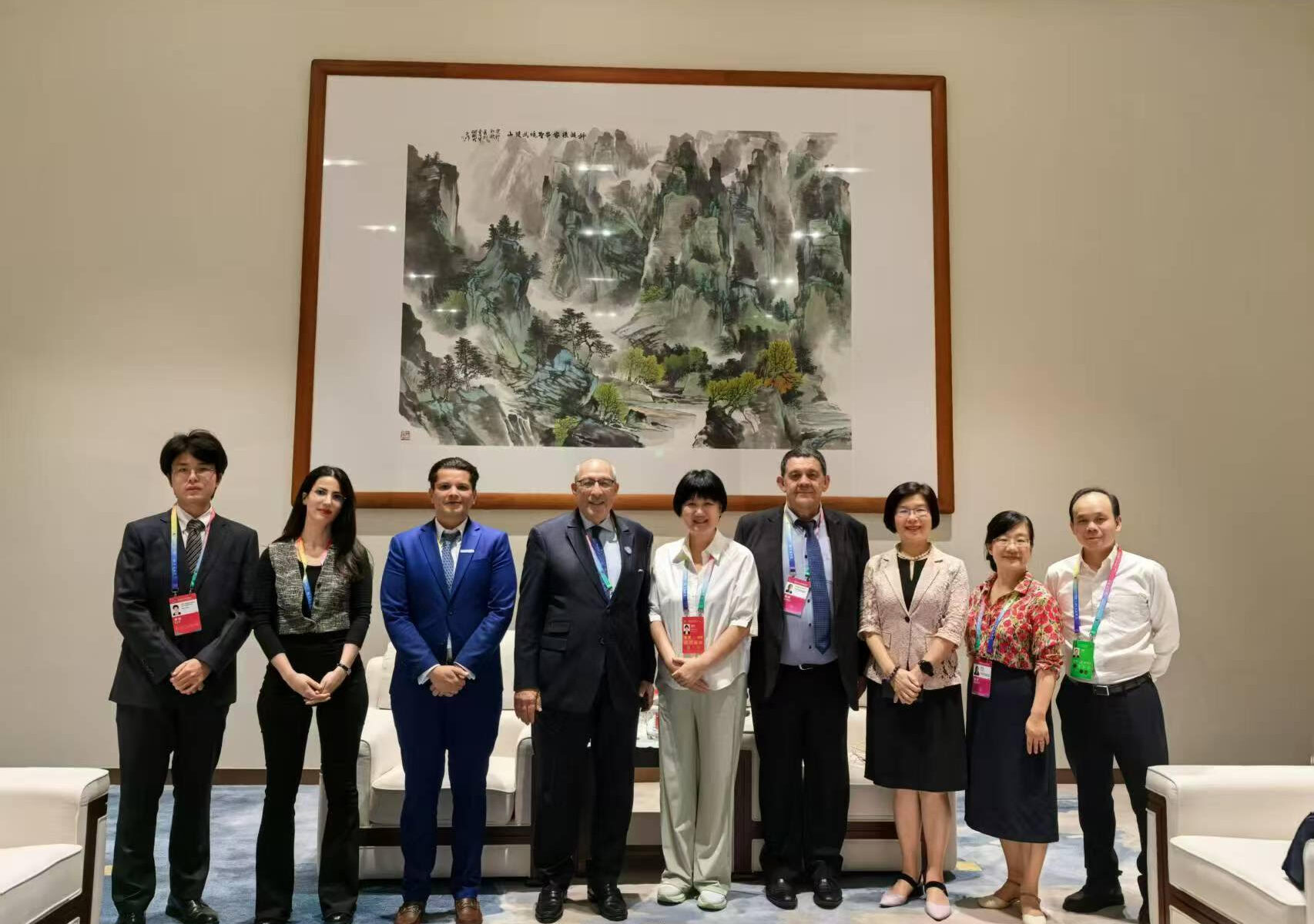
During a pivotal week, Beijing emerged as the epicenter of a bold acceleration in Morocco-China economic relations. The Moroccan delegation, led by Investment Delegate Karim Zidane and Ambassador Abdelkader El Ansari, intensified outreach to Chinese industrial giants at the 4th International Supply Chain Expo (CISCE). Their mission was clear: position Morocco as the indispensable industrial bridge linking Europe, Africa, and the Atlantic.
Morocco’s industrial momentum gathers pace
The Kingdom is capitalizing on an unprecedented investment surge, with 381 approved projects totaling 580 billion Moroccan dirhams. Foreign direct investment from China alone reached 2 billion dirhams in 2025, underscoring the deepening economic synergy. Ambassador El Ansari emphasized that the 2016 partnership agreement between His Majesty King Mohammed VI and President Xi Jinping has evolved from a diplomatic pledge into a tangible engine of growth.
A gateway to global markets
Morocco’s value proposition now centers on an integrated ecosystem where world-class connectivity—anchored by ports like Tanger Med, Nador, and Dakhla—turns the Kingdom into a logistics hub of choice. With over 56 free trade agreements and a central role in the African Continental Free Trade Area (AfCFTA), Morocco offers Chinese businesses seamless access to a market exceeding one billion consumers. Sectors like automotive, aerospace, electric mobility, and renewable energy further strengthen the Sino-Moroccan industrial complementarity.
The ‘triangular partnership’ vision
Minister Karim Zidane highlighted a transformative model: China contributes technology and capital, while Morocco provides stability, expertise, and continental influence to drive industrialization across Africa. This strategy aligns with preparations for the 2030 FIFA World Cup, where infrastructure and sustainable mobility projects open new avenues for Chinese investors.
With nearly 100 Chinese companies already operating in Morocco, Ambassador El Ansari stressed the need to solidify these ties into a lasting industrial foundation. The goal is unambiguous: embed Morocco’s manufacturing footprint within global value chains, ensuring that ‘Made in Morocco’ becomes a natural extension of worldwide production networks.



 Boureima Amadou