Boureima Amadou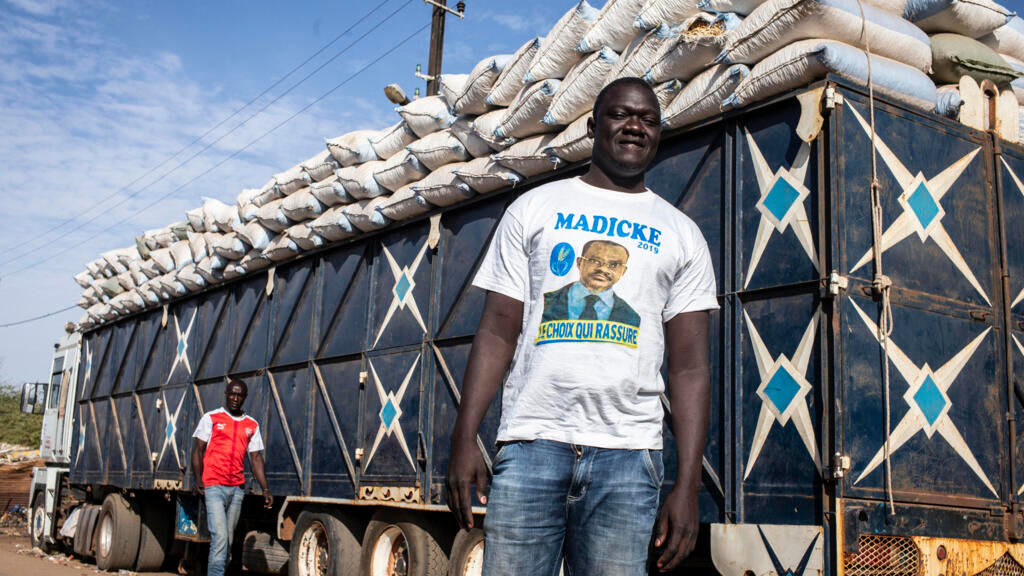
Senegal and Mali transport operators seek to ease Dakar-Bamako border congestion
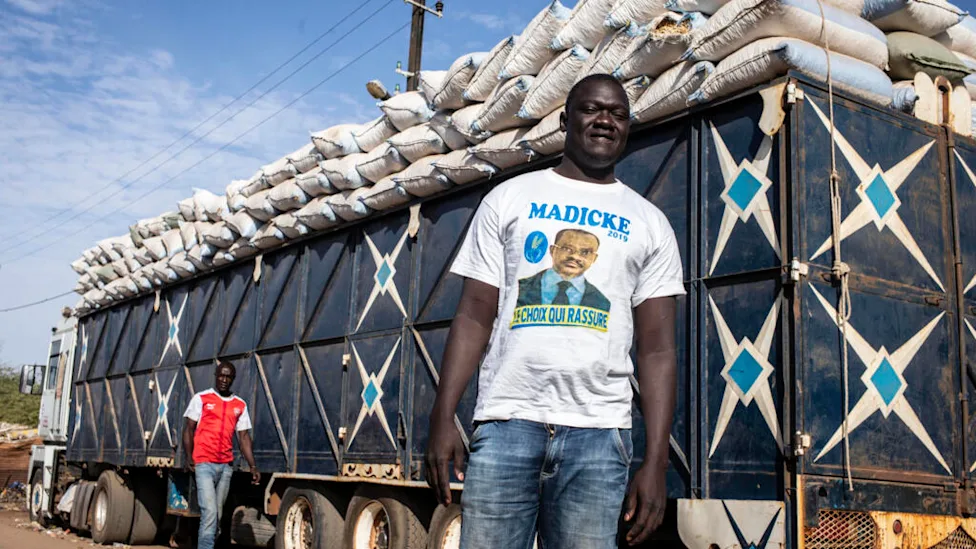
At Moussala, a crucial border point between Senegal and Mali, a queue of trucks stretching nearly 15 kilometers highlights the severe congestion impacting the Dakar-Bamako transport flow. The limited capacity to process the high volume of commercial vehicles forces these trucks to idle along the roadside, leading to significant delays and challenging conditions for drivers.
Daouda Singui Sarr, Director of Promotion and Assistance at the Senegalese Shippers’ Council (Cosec), elaborated on the multifaceted issues. “The problems are numerous. First, transit times are significantly extended. When transit times increase, transporters incur additional costs. For the drivers themselves, challenges include a lack of essential amenities, especially during the current winter season, which presents considerable difficulties,” Sarr explained.
The volume of traffic in this critical zone is consistently rising, largely fueled by the expansion of mining activities across the region. In response to these growing demands, Cosec has already taken proactive steps by developing a 15-hectare parking facility for trucks in Kidira. Now, the organization is actively seeking tailored solutions to alleviate the severe bottleneck at Moussala, as detailed by Daouda Singui Sarr.
“Our counterparts in customs and border police had already anticipated this by increasing staffing levels to expedite truck passage. Why not replicate our modern parking project from Kidira and implement it in Moussala?” Sarr proposed, highlighting a potential strategy for improving the Dakar-Bamako transport flow.
Urgent measures are expected to be implemented in the coming weeks, following coordination with local authorities to address these pressing issues impacting African current affairs and regional commerce.