Mariama Hamani
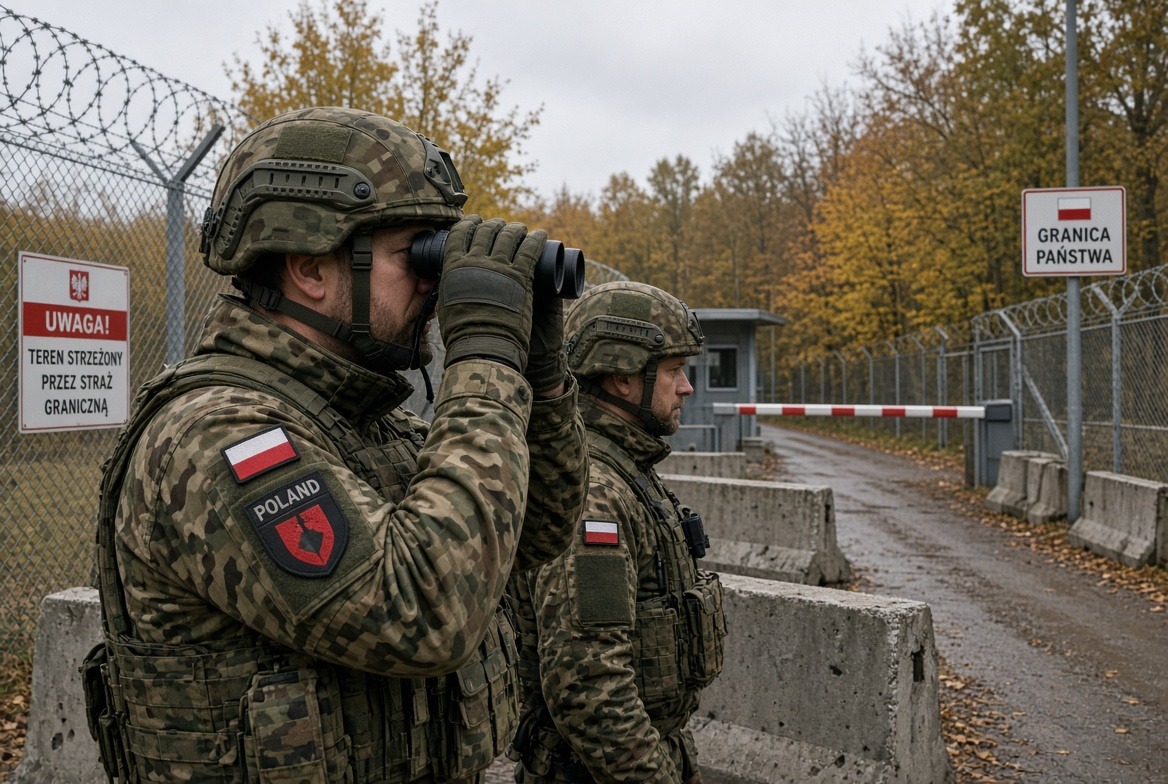
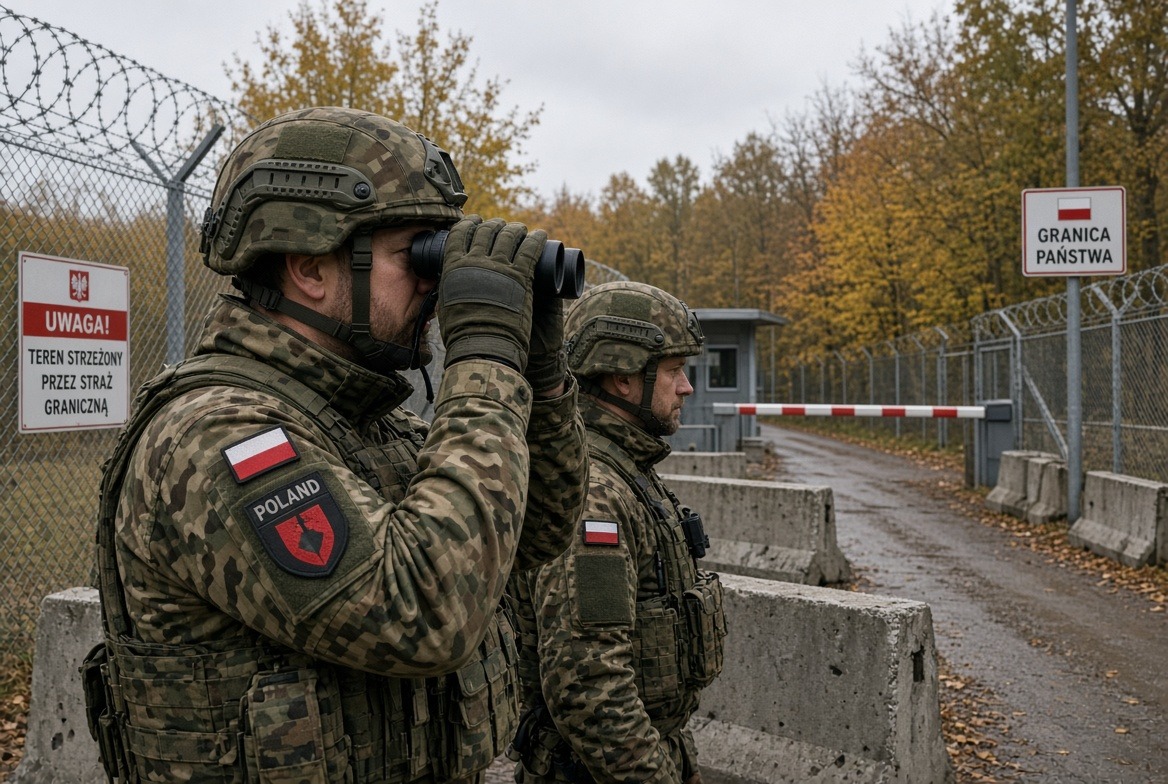
Europe’s security landscape has reached a critical inflection point along the Baltic Sea. With mounting evidence of coordinated provocations, clandestine operations, and an escalating risk of covert sabotage emanating from Moscow, Warsaw has launched an unprecedented border security operation along its northeastern frontier—directly adjacent to the heavily militarized Kaliningrad enclave. This decisive move underscores Poland’s unwavering commitment to preempt any destabilization attempts on one of the continent’s most strategically vulnerable flanks.
The anatomy of a fortified defense: military precision meets asymmetric warfare
What began as routine border monitoring has rapidly evolved into an airtight security grid, meticulously engineered to neutralize hybrid threats before they materialize. The operation integrates a multi-layered defense architecture, uniting Poland’s border guards, national police, elite counterterrorism units, and active-duty military battalions into a synchronized shield. The dual mandate is clear:
- Block infiltration at all costs: Prevent Russian-trained sabotage cells, proxy operatives, or sleeper agents from breaching the frontier.
- Fortify critical infrastructure: Harden Poland’s energy grids, transport hubs, and telecommunications networks—prime targets for asymmetric warfare.
The initiative arrives amid a surge of alarming incidents: unmanned drones violating sovereign airspace, suspicious low-altitude flights, and persistent attempts to probe defensive gaps. The region’s air remains thick with tension, as diplomats and military strategists brace for the next phase of Moscow’s tactics.
From deterrence to dominance: how Poland reshaped NATO’s eastern flank
By deploying advanced surveillance systems, rapid-response units, and real-time intelligence sharing, Poland isn’t just reacting—it’s redefining the rules of engagement. The message to the Kremlin is unambiguous: hybrid aggression, whether through cyber intrusions, disinformation campaigns, or physical sabotage, will meet an uncompromising wall of resistance. As the frontline state in NATO’s eastern defense, Poland has positioned itself as the bulwark against Russia’s creeping destabilization tactics, ensuring that Moscow’s calculus of subversion no longer holds.
For the Baltic region, this marks a turning point. While global attention remains fixed on Ukraine, the Baltic Sea has quietly become the next battleground in Europe’s shadow conflict with Moscow. Poland’s ironclad posture sends a resounding signal: the era of passive deterrence is over. Active defense is now the standard.
Beyond the wire: the high stakes of Poland’s security gamble
The stakes couldn’t be higher. A single successful infiltration could trigger a cascade of crises—disrupted supply chains, energy blackouts, or even localized conflicts that test NATO’s collective resolve. By erecting this fortified barrier, Poland isn’t just protecting its territory; it’s safeguarding the cohesion of Europe’s eastern defenses. Every patrol, sensor deployment, and intelligence intercept is a calculated move to deny the Kremlin the initiative.
The strategy reflects a broader truth: in the face of hybrid warfare, borders are no longer lines on a map. They are dynamic frontiers where technological superiority, rapid mobilization, and ironclad resolve converge to shape the balance of power. Poland’s gamble is clear—turn the tide of asymmetric conflict before the first shot is ever fired.