Boureima Amadou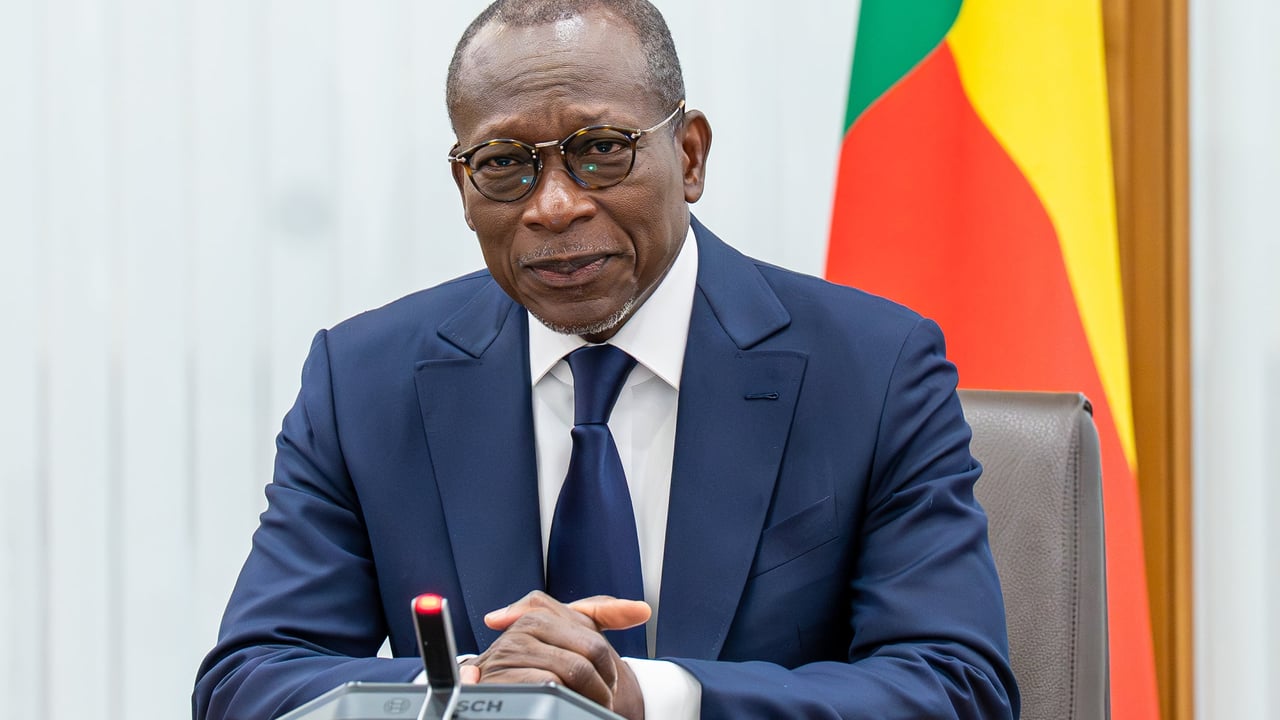

On December 7, 2025, shortly after dawn in Cotonou, Bénin, a group of mutinous soldiers seized national television to declare they had overthrown President Patrice Talon. Yet by day’s end, the attempted coup had collapsed—thwarted by the swift intervention of the Bénin armed forces. Just days later, on December 13, thousands of predominantly young citizens gathered in the streets of Cotonou to voice their support for Talon and reject the violent takeover.
The episode underscores a broader question: how has Patrice Talon, once a relatively unknown figure in West Africa, carved out an unmistakable leadership style that sets him apart from peers like Alassane Ouattara of Côte d’Ivoire, Paul Biya of Cameroun, or Faure Gnassingbé of Togo?
a political outsider who reshaped Benin’s future
Patrice Talon is often described as a political anomaly—a leader who emerged not from the traditional corridors of power, but from the private sector. Before entering politics, he built his reputation as a successful entrepreneur in Bénin, specializing in agricultural innovation and agribusiness. His transition into public life was neither predicted nor conventional, yet it marked the beginning of a leadership style defined by pragmatism and long-term vision.
First elected in 2016, Talon ran on a platform of economic transformation and democratic renewal. His agenda prioritized reducing Bénin’s reliance on imports, investing in local industries, and strengthening regional trade ties. Under his leadership, Bénin has seen steady growth in sectors like cotton, cashew, and digital services, earning it recognition as one of West Africa’s most stable emerging economies.
Despite his achievements, Talon has navigated significant challenges, including political resistance, economic constraints, and regional instability. His response? A blend of firm governance and inclusive dialogue, aimed at maintaining stability while advancing structural reforms.
why talon stands out in west african politics
In a region where leadership often follows entrenched dynasties or military figures, Patrice Talon represents a rare counter-narrative. He is neither a former general nor the offspring of a political dynasty—two profiles that dominate West African leadership. Instead, his legitimacy stems from performance, results, and a commitment to institutional strengthening.
Talon’s approach to governance is marked by several defining traits:
- Economic pragmatism: He has prioritized sectors with high growth potential, such as renewable energy and digital infrastructure, positioning Bénin as a regional hub for innovation.
- Anti-corruption stance: Early in his mandate, he launched reforms to increase transparency in public procurement and reduce bureaucratic inefficiency, earning cautious praise from international partners.
- Regional diplomacy: Talon has played a key role in mediating disputes within ECOWAS, advocating for peaceful resolutions and collective economic strategies.
- Youth engagement: Despite skepticism about political participation among young people, Talon has actively sought their inclusion, launching programs to support entrepreneurship and digital inclusion.
These choices have not only shaped Bénin’s development but have also redefined expectations for leadership across the region.
the december 2025 crisis: a test of resilience
The failed coup attempt in December 2025 was a stark reminder of the fragility of political transitions. The mutineers, in their televised declaration, claimed to act in the name of restoring democracy. Yet their actions were swiftly countered by the military, with support from civil society and international partners. The episode revealed both the vulnerabilities of Bénin’s institutions and the resilience of its democratic culture.
Talon’s response was swift and decisive. He addressed the nation, reaffirming his commitment to stability and calling for national unity. The public rallies that followed demonstrated strong grassroots support, particularly among young citizens who see Talon as a defender of democratic values and economic progress.
For observers of West African politics, the crisis highlighted a paradox: while coups remain a persistent threat, countries like Bénin are increasingly proving that civilian leadership, even when tested, can prevail through transparency and popular trust.
the road ahead: talon’s legacy in the making
As Patrice Talon approaches the final years of his second term, the question of his legacy grows more urgent. Will Bénin continue on its path of reform and growth? Can Talon’s model of pragmatic leadership inspire other nations in the region?
What is clear is that Talon’s journey—from entrepreneur to president to political survivor—has redefined the possibilities of leadership in West Africa. In a region often marked by instability, his story offers a compelling alternative: progress not through force or inheritance, but through vision and persistence.
As Bénin moves forward, one thing is certain: the tale of Patrice Talon is far from over. It is a narrative still being written—one that may well shape the future of governance across the continent.


 Mariama Hamani