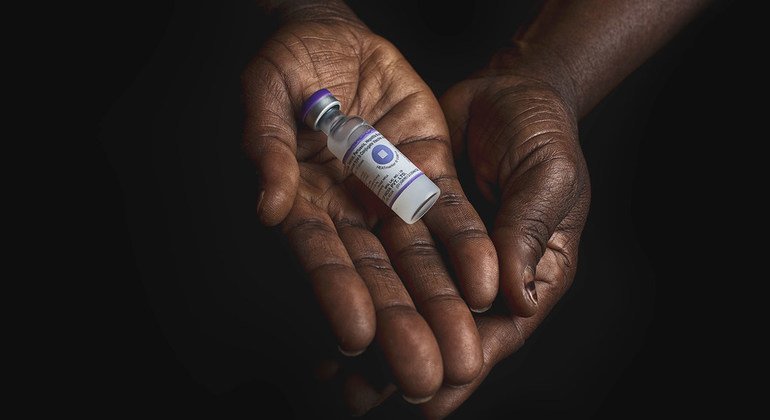
A preventable infection, diphtheria, is rapidly advancing across Mali. Since mid-September, the nation has been battling a swift outbreak, exacerbated by a fragile health infrastructure, persistent resource scarcity, and increasingly challenging humanitarian access.
By early December, official reports indicated over 530 diphtheria cases and more than 30 fatalities. However, the United Nations cautions that the true scope of the crisis is likely far more severe due to significant underreporting.
The central regions of Mopti and Ségou, along with Timbuktu in the northwest, are experiencing the highest mortality rates. These areas are already profoundly affected by insecurity, movement limitations, and the collapse of essential public services. In these vulnerable zones, the disease proliferates amidst vaccine shortages and restricted access to healthcare, further compounded by population displacement and persistent instability.
One million dollars released for immediate response
Responding to this urgent health crisis, United Nations Emergency Relief Coordinator Tom Fletcher authorized a $1 million allocation from the Central Emergency Response Fund (CERF) to fund an immediate health intervention. This critical funding will empower the World Health Organization (WHO) to deploy emergency medical teams, provide essential antibiotics and antitoxins, bolster infection prevention measures, enhance patient management, facilitate contact tracing, and raise community awareness.
However, this vital health mobilization faces a harsh reality: humanitarian access across Mali is increasingly hindered. In vast stretches of the country’s central and northern regions, fuel shortages, mobility restrictions, and pervasive insecurity have significantly impeded on-the-ground operations in recent weeks. Mobile clinics find their reach severely limited, supply chains are compromised, and the most isolated populations remain beyond the reach of crucial medical care.
The current diphtheria surge is thus a stark manifestation of a broader humanitarian crisis. In a nation where over a quarter of the population requires assistance, the disease once again exposes the profound vulnerabilities within state structures.

Boureima Amadou
Reporter
Boureima Amadou
- Top Stories
- October 1, 2026
- 128 views
Moussa Kaka’s month-long disappearance in Niger: the widening toll on citizens, commerce and public trust
One month of silence, and a country left guessing In Niger, the pressure on independent journalism has now stretched past the one-month mark, and the consequences are rippling far beyond…

Mariama Hamani
- Top Stories
- October 1, 2026
- 40 views
Is Barrick Gold’s Loulo-Gounkoto truce a strategic blunder for Mali’s mining future
A truce built on silence: what is Barrick Gold really hiding at Loulo-Gounkoto? The suspension of the strike notice at the Loulo-Gounkoto gold complex conceals a financial pact of a…