Mariama Hamani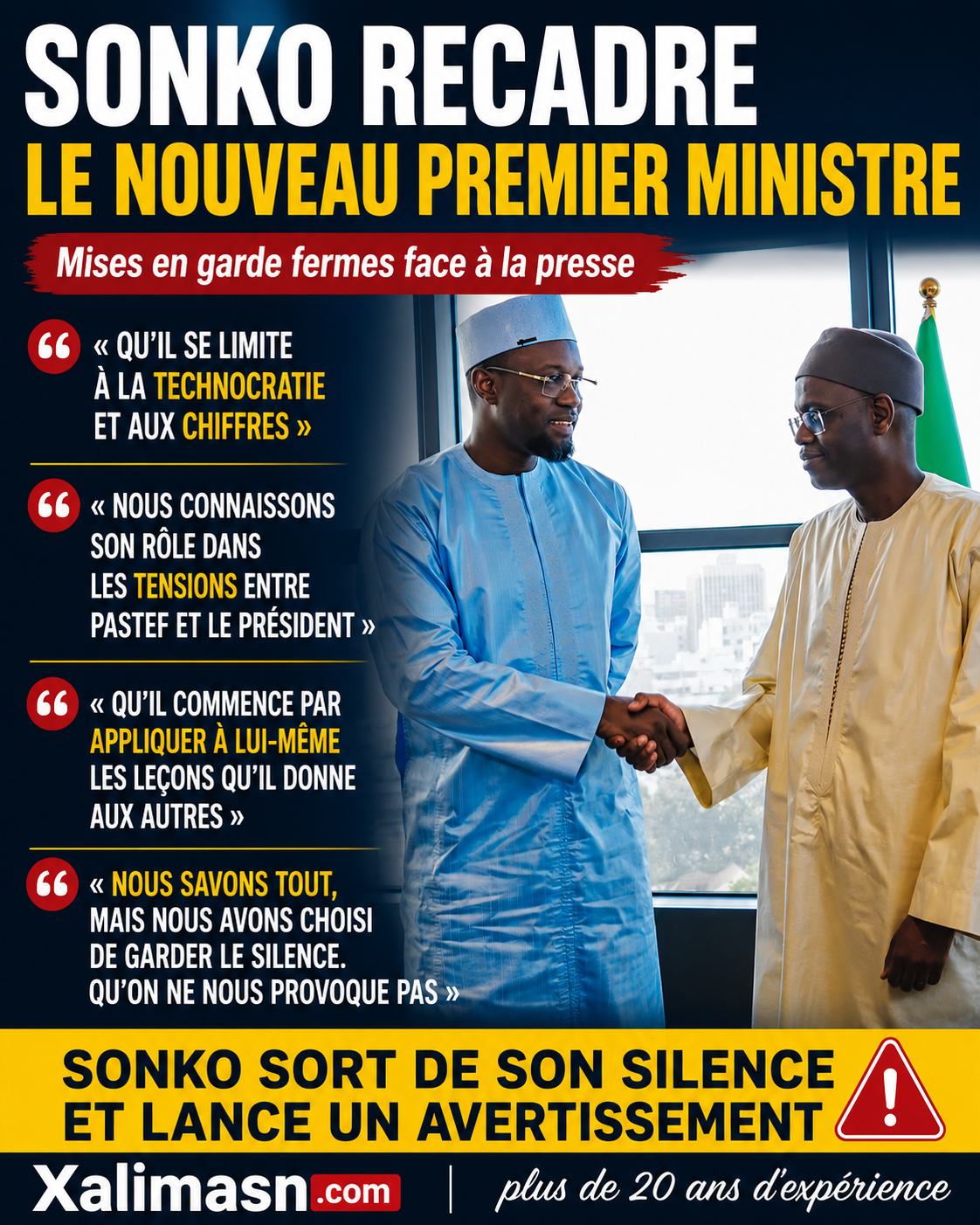
Ousmane Sonko delivers historic speech in Wolof as Senegal’s Assembly President
In a move that underscored the importance of linguistic inclusivity in governance, President Sonko delivered a comprehensive address entirely in Wolof. This historic address comes at a critical juncture for Senegal, as the nation navigates complex political and social challenges.
The speech, delivered in Dakar, covered a wide range of topics, including legislative priorities, economic reforms, and national unity. By choosing Wolof—a language deeply rooted in Senegalese culture—Sonko emphasized his commitment to connecting with citizens across all demographics, particularly those in rural and underserved communities.
Analysts note that this approach not only strengthens political transparency but also reinforces the cultural identity of the Senegalese people. The decision to address the nation in Wolof reflects a broader trend in African governance, where leaders increasingly prioritize indigenous languages to foster deeper public engagement.
Key highlights from the address
- Legislative agenda: Sonko outlined his vision for a more responsive and accountable National Assembly, emphasizing reforms aimed at reducing bureaucratic inefficiencies.
- Economic priorities: He underscored the need for inclusive economic policies that address youth unemployment and poverty, particularly in regions outside Dakar.
- National unity: The President called for solidarity and collective action to overcome divisions, urging all citizens to participate in building a stronger, more cohesive Senegal.
This address marks a significant departure from traditional political communication in Senegal, where French has long dominated public discourse. By embracing Wolof, Sonko demonstrated a forward-thinking leadership style that resonates with the aspirations of everyday Senegalese.

 Boureima Amadou