Boureima Amadou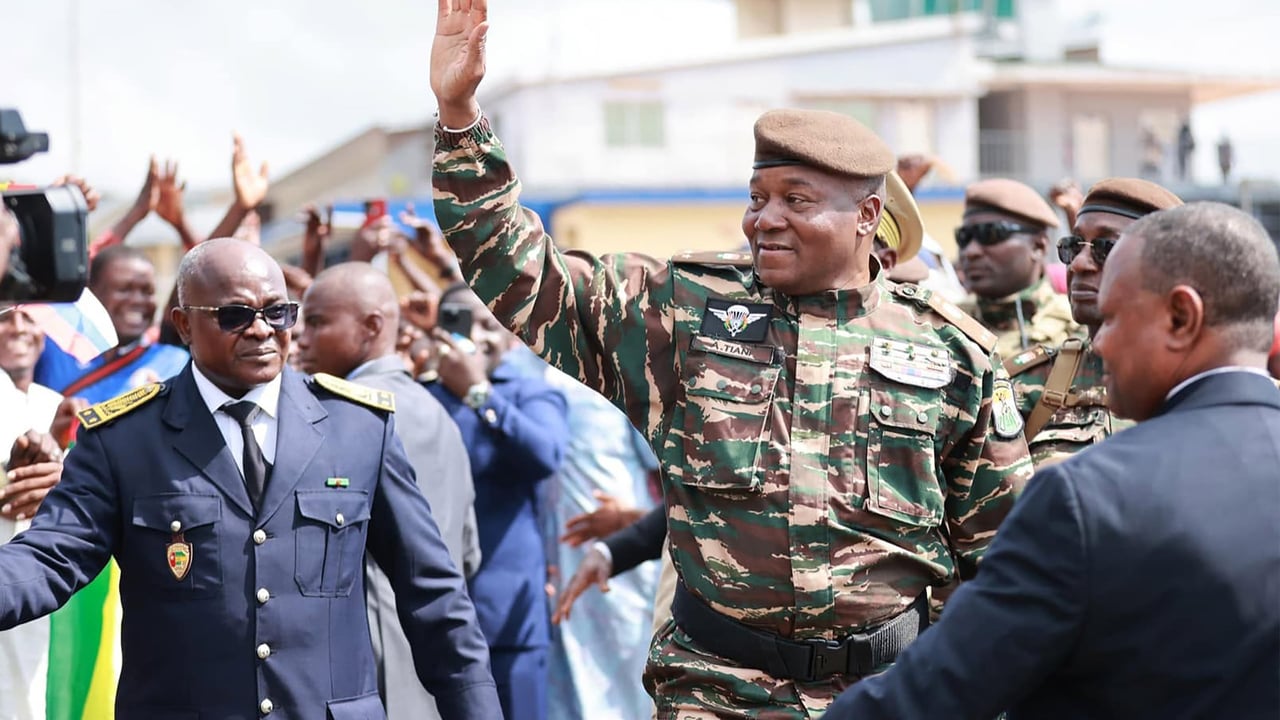
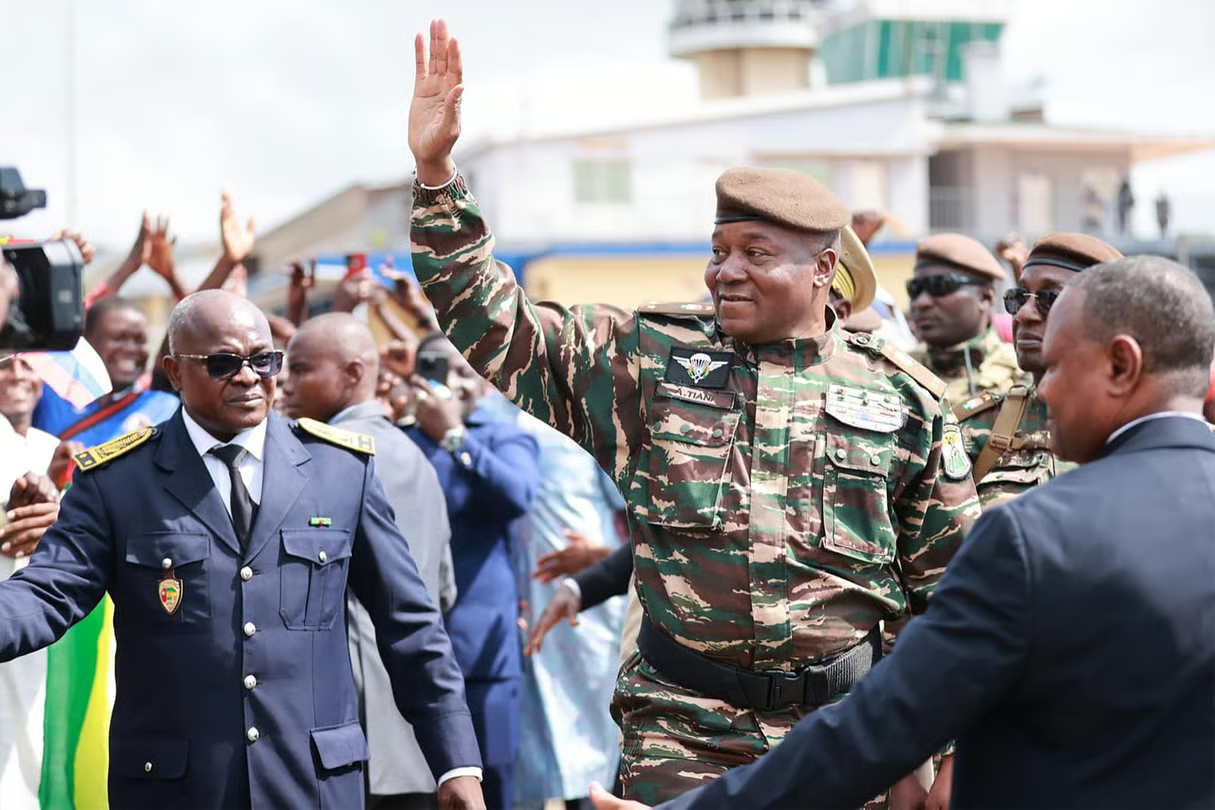
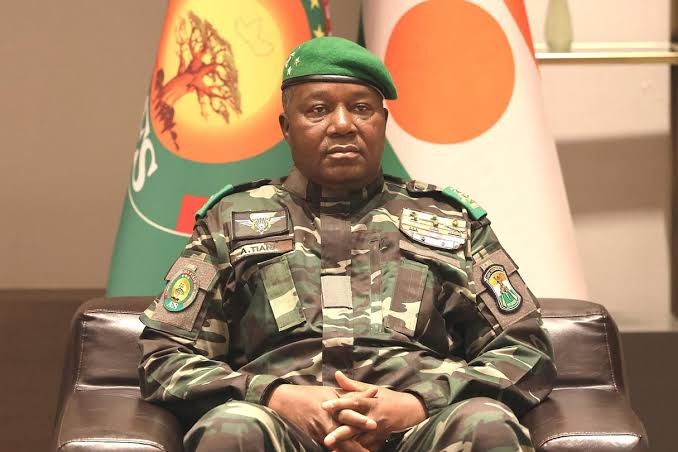
Niger’s transitional leadership under General Abdourahamane Tiani is charting a course defined by calculated pragmatism, reshaping the nation’s diplomatic and strategic positioning in a rapidly evolving regional landscape.
The head of state has prioritized pragmatic governance as a cornerstone of his administration, steering clear of rigid ideological stances while pursuing policies tailored to Niger’s immediate needs. This approach reflects a deliberate shift from past conventions, emphasizing flexibility over dogma.
Realigning alliances in a shifting geopolitical terrain
Since assuming leadership, General Tiani has recalibrated Niger’s foreign partnerships, placing renewed focus on selective collaboration with global powers. The strategy underscores a recalibration of priorities, balancing traditional ties with innovative alliances to secure vital interests.
Key engagements include strengthened cooperation with African partners, particularly within the Alliance of Sahel States, a bloc formed to address shared security and economic challenges. This collective effort signals a bold departure from previous regional dynamics, fostering unity among neighboring nations facing similar pressures.
Domestic priorities and economic resilience
At home, the administration is prioritizing stability and economic recovery as fundamental pillars of its agenda. Efforts to stabilize key sectors—including energy and agriculture—aim to reduce dependence on external aid while fortifying local resilience against global shocks.
Recent policy adjustments reflect a commitment to sustainable development, with initiatives designed to empower local industries and improve infrastructure. The goal is clear: to position Niger as a self-sufficient actor in the Sahel, rather than a passive recipient of external support.
Navigating internal and external pressures
The transitional government faces dual challenges: consolidating authority while managing expectations amid rising regional tensions. General Tiani’s leadership style—marked by measured decision-making and a focus on tangible outcomes—has helped maintain a delicate equilibrium.
Domestically, the administration is working to reconcile diverse political factions, fostering dialogue to prevent fragmentation. Externally, Niger is recalibrating its stance on regional security frameworks, advocating for solutions that align with its evolving national interests.
Looking ahead: a vision for long-term stability
The coming months will be pivotal in determining whether Niger’s pragmatic approach can withstand internal and external pressures. With a clear-eyed focus on national sovereignty and regional cooperation, the administration is laying the groundwork for a more autonomous and resilient future.
As the Sahel grapples with instability, Niger’s leadership is betting on a strategy that prioritizes adaptability, collaboration, and self-reliance—hallmarks of a new chapter in its political journey.