Mariama Hamani
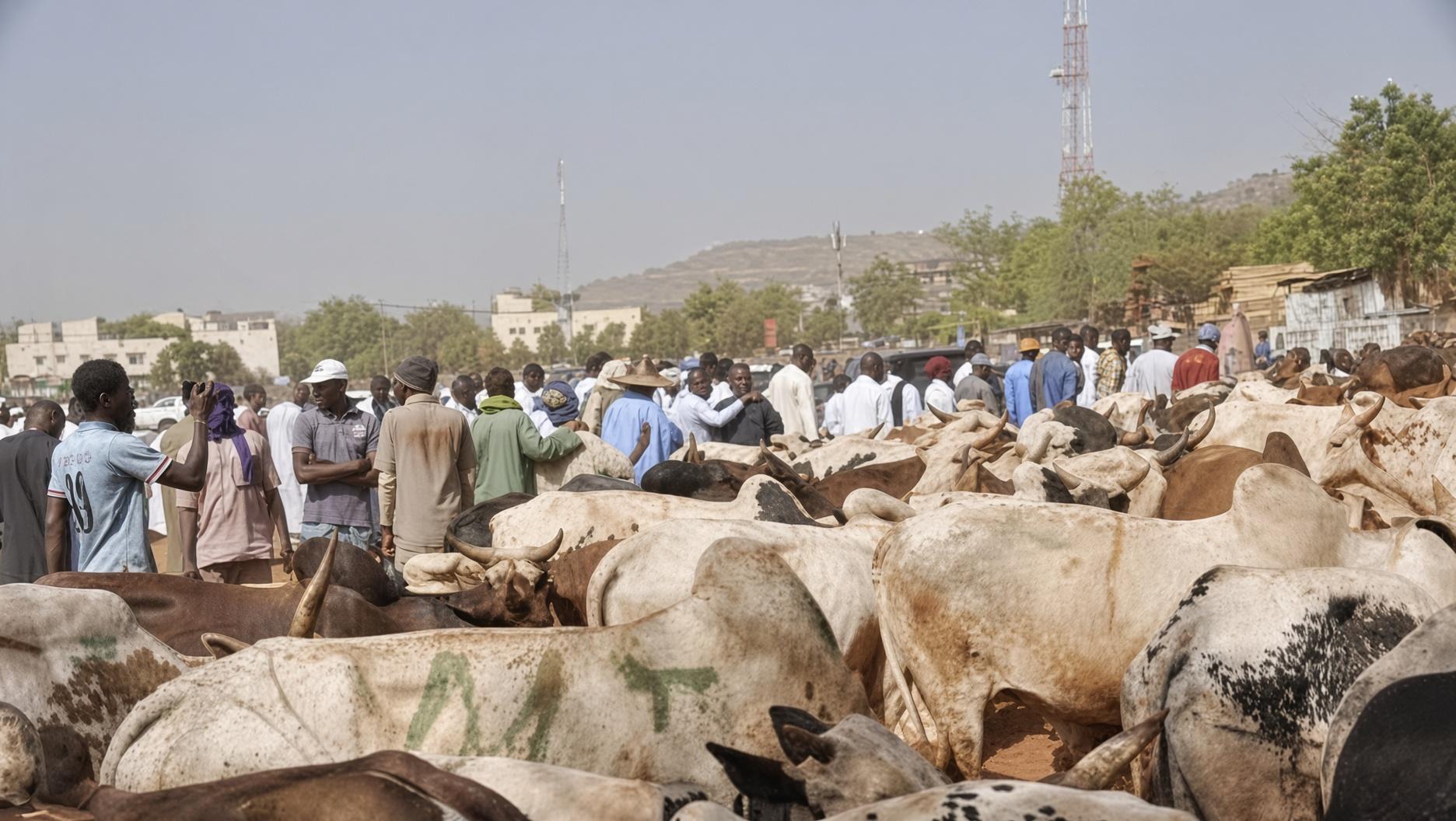
In a sweeping policy reversal, Mali’s government has chosen a drastic measure to address soaring domestic meat prices – freezing livestock exports for six months. While framed as a safeguard for local consumers, this move represents a fundamental break from economic liberalization, placing the entire private sector in the crosshairs of state intervention. For entrepreneurs who have built viable businesses in cattle trading, transport, and processing, this decision signals not just a policy shift, but a potential shutdown of their operations.
How state control is crushing private sector growth
The livestock sector is not just a cornerstone of Mali’s economy—it accounts for over 15% of GDP and generates over $150 million annually in export revenue. Yet rather than strengthen this vital industry, authorities are undermining it with one of the most restrictive trade policies in decades. By banning exports to Senegal, Côte d’Ivoire, and Guinea, Bamako is not protecting consumers; it is suffocating the very businesses that supply the market with meat.
Agricultural entrepreneurs, already struggling with soaring feed costs and rising transport expenses, now face an artificial surplus that will erode profit margins and force layoffs. The ripple effect is already being felt: transporters are idling lorries, feed suppliers are scaling back orders, and cattle raisers are delaying investments in herd improvement. This is not regulation—it’s economic strangulation disguised as consumer protection.
The false promise of protectionism
Proponents argue this ban will lower meat prices by keeping supply domestic. But history shows such tactics backfire. When traders cannot sell to higher-paying regional markets, they have no incentive to expand production or improve quality. The predictable result? Scarcity, black markets, and even higher prices in six months’ time.
Real causes of the price surge include systemic failures that this policy ignores: poorly managed livestock market relocations, inflated feed costs, rampant road insecurity, and systemic extortion at checkpoints. None of these issues are solved by export bans—they are symptoms of a regulatory culture that prioritizes control over collaboration.
Investors flee as Mali gambles on short-term fixes
The export suspension doesn’t just hurt local businesses—it sends a chilling message to foreign investors and regional trade partners. Mali relies on cattle exports for nearly 99% of its bovine trade. When the government arbitrarily suspends them, it signals unpredictability, undermining investor confidence in one of Africa’s most critical livestock hubs.
Entrepreneurs who once saw Mali as a stable trade partner now face legal uncertainty. Will the ban be extended? Will new taxes or quotas follow? Without clear, consistent rules, the private sector cannot plan, invest, or innovate. And without innovation, there is no long-term solution to the meat price crisis.
What Mali’s livestock sector really needs
Instead of turning entrepreneurs into scapegoats, Mali should focus on policies that actually help the sector grow:
- Protect transport routes: End extortion and security threats that inflate costs for cattle transporters.
- Lower administrative burdens: Reduce registration fees, permits, and taxes that stifle small and medium agribusinesses.
- Ensure market access: Let traders sell to the highest bidder—whether in Bamako or Dakar. Competition lowers prices naturally.
- Invest in modern infrastructure: Upgrade slaughterhouses and cold chain systems to reduce waste and improve quality.
The livestock export ban isn’t a turning point—it’s a breakdown. Unless reversed, it will not just fail to lower meat prices; it will cripple a sector that supports millions of livelihoods.