Mariama Hamani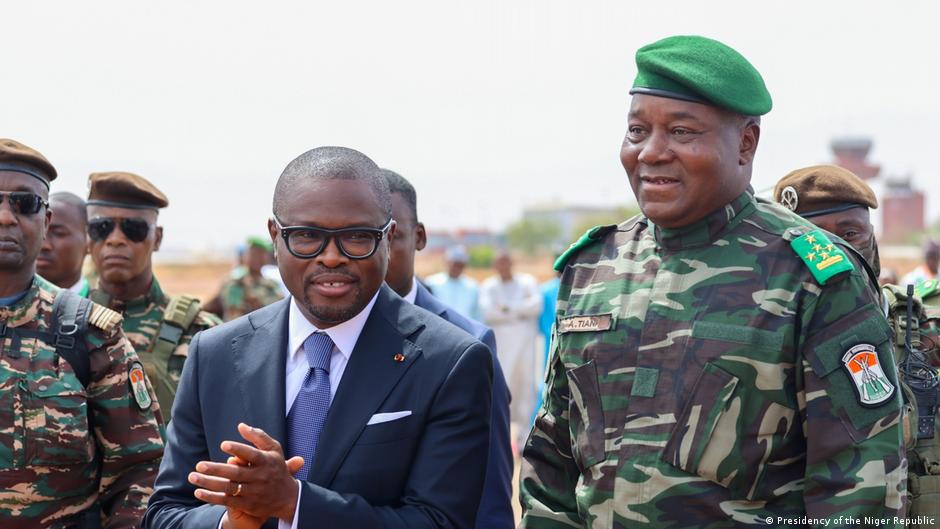
Niger and Benin edge closer to reopening border
Joint expert committee delivers breakthrough as Niamey and Cotonou negotiate three ‘non-negotiable’ conditions for border reopening after three years of closure.
After three years of suspended trade and severed ties, a joint technical committee between Niger and the Benin has finalized a framework agreement addressing security protocols, transit regulations, and key legal and economic parameters. Yet, the path to full reopening remains blocked by three conditions presented by Niamey as ‘non-negotiable.’
What prospects emerge from this crisis that has battered both economies and disrupted livelihoods across the region?
three non-negotiable prerequisites
Over the weekend, Nigerien authorities unveiled three firm conditions for the durable reopening of the Benin-Niger border, closed since 2023.
- Defense pact: Niamey demands a formal mutual defense and security agreement with Benin, explicitly prohibiting either country from allowing its territory to be used as a launchpad for destabilizing actions against the other.
- Intelligence exchange hub: Creation of a joint cell for real-time intelligence sharing, particularly on terrorism and cross-border trafficking, emphasizing reciprocity and mutual reassurance.
- Military transparency: Full disclosure of any foreign military presence or defense arrangements Benin maintains near the border, addressing Niger’s sovereignty concerns amid growing regional tensions.
“Mutual non-aggression is not just standard; it is essential,” explains Régis Hounkpè, senior analyst and executive director of InterGlobe Conseils. “In today’s climate, where distrust has festered for three years, making this explicit is not just symbolic—it is practical. Both sides must ensure these commitments are implemented, not just stated.”
On military partnerships, Hounkpè adds: “Benin is a sovereign nation free to choose its defense partners—whether France, China, Russia, Turkey, or any African ally—as long as its agreements are not used to destabilize Niger. Pragmatism must prevail: no one benefits from exporting instability.”
These demands reflect deep-seated suspicion following the 2023 military transitions in both countries, where juntas took power amid shifting regional alliances.
economic fallout of a closed border
With the frontier still shut, a vital trade corridor that once handled nearly 70% of Niger’s imports—and served as a lifeline for landlocked neighbors like Burkina Faso and Mali—has ground to a halt. Longer, riskier detours via Nigeria have driven logistics costs up by 30 to 50% in less than three years.
The suspended flow of oil through the 2,000 km Agadem-Sèmè-Kpodji pipeline has cost Niger dearly in lost revenue, with each delayed shipment translating to tens of millions of dollars in foregone earnings. Meanwhile, Benin’s port of Cotonou—once a regional hub—suffers from congestion and plummeting transit revenues.
“This pipeline alone was designed to export up to 90,000 barrels per day,” notes Hounkpè. “Every shipment stuck at port drains budgets already stretched thin across the Sahel. No economy can sustain such losses indefinitely.”
Benin, too, faces severe strain: dwindling customs receipts, idle logistics firms, and a 60% drop in revenue for some sectors. Cargo rerouted to Togo and Nigeria threatens Benin’s long-standing role as West Africa’s trade gateway.
human cost of the blockade
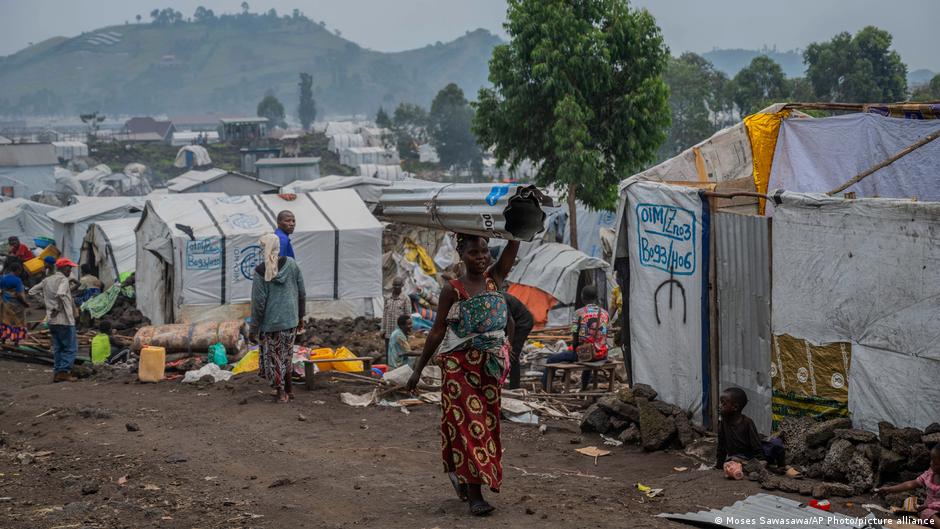
The closure has not only throttled trade—it has reshaped lives. Markets on both sides of the border report a 50% drop in customer traffic. Shops have shuttered, incomes have vanished, and essential goods have grown scarce and expensive. Families separated by the border have found reunification impossible, while vulnerable communities face isolation and rising insecurity.
Transport costs have skyrocketed, and dangerous river crossings have replaced safer overland routes. Smuggling and extortion networks have flourished in the vacuum left by formal trade.
economic survival trumps ideology
The impetus for dialogue came not from political alignment, but from economic necessity. Beninese President Romuald Wadagni, inaugurated in early June 2026, made reopening the border a priority, visiting Niamey on June 2 to jumpstart negotiations. The joint expert committee was formed shortly after.
“Leaders today are practicing geography, not ideology,” says Hounkpè. “They are bound by geography—they must cooperate to survive. The essentials are clear: economic survival, logistical flow, security, and counter-terrorism cooperation. Ideology must take a backseat.”
While Hounkpè expresses confidence in progress, he cautions that implementation will be key. A gradual reopening is expected, prioritizing critical goods with enhanced monitoring. Should this process succeed, he believes it could set a positive precedent within the Alliance of Sahel States and ECOWAS—mirroring the recent thaw between Mali and Côte d’Ivoire, driven more by economics than politics.


 Boureima Amadou