Mariama Hamani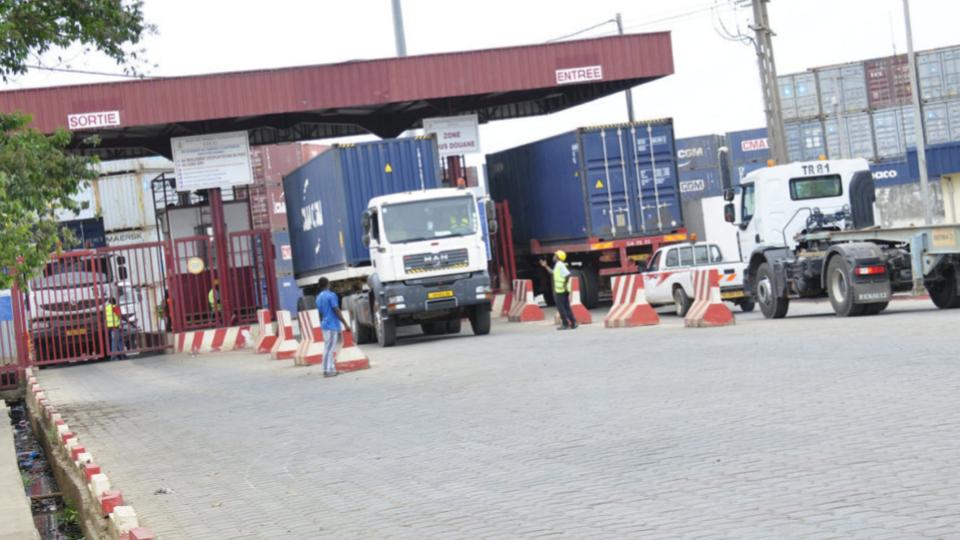
Despite the vast potential offered by the African Continental Free Trade Area (AfCFTA), with its 1.4 billion consumers, Gabon continues to grapple with low regional export figures. Current economic data reveals that only 8.9% of the country’s total exports are destined for African markets—highlighting the significant work still needed in Libreville to fully capitalize on intra-African trade opportunities.
Meanwhile, the continent accounts for 28.3% of Gabon’s imports, reinforcing Africa’s role as the nation’s second-largest supplier after hydrocarbons. This trade imbalance underscores the urgent need for Gabon to diversify its economic partnerships and reduce reliance on raw material exports.
leveraging the afcfta to diversify economic dependence
Addressing this commercial asymmetry has become a top priority for Gabon’s leadership. In mid-2026, President Brice Clotaire Oligui Nguema met with AfCFTA Secretary-General Wamkele Mene to lay the groundwork for stronger regional integration. For Gabon, the stakes could not be higher: breaking free from decades of oil-centric economic reliance is no longer optional—it’s essential for long-term stability.
The roadmap is clear. By expanding sectors such as agro-processing, mining, and the service industry, Gabon aims to tap into the continent’s growing demand for finished goods. With intra-African trade projected to reach $230 billion this year, Libreville is positioning itself to claim a larger share of this expanding market.
nkok’s economic zone as a gateway to regional trade
Gabon’s ambitions are backed by tangible assets, including the Nkok Special Economic Zone (SEZ). Praised by AfCFTA leadership as a potential game-changer, this industrial hub is designed to produce high-value-added goods for Central Africa. Combined with a robust digital economy and a strategic location in the heart of the subregion, Gabon is well-equipped to compete beyond its borders.
overcoming regional trade barriers
Yet challenges remain. Poor transport infrastructure and exorbitant logistics costs continue to stifle trade flows across Central Africa. This paradox threatens to undermine a framework—AfCFTA—that aims to raise intra-African trade to over 50% by 2035. Gabon’s strategy is twofold: upgrade trade corridors and deepen local processing of raw materials to reduce reliance on imported goods.
The path forward demands bold reforms, but the vision is set. By harnessing AfCFTA’s momentum and modernizing its economic infrastructure, Gabon is laying the foundation for a more diversified and resilient future.

 Boureima Amadou