Mariama Hamani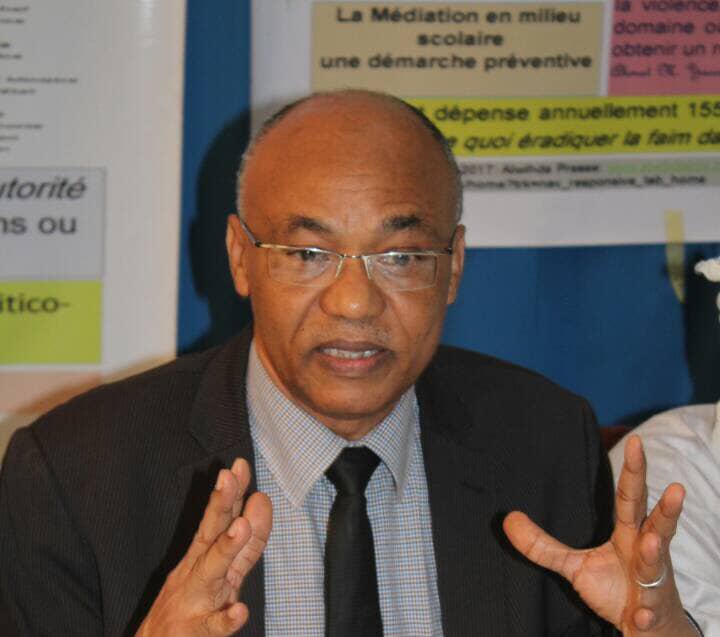
Tchad presidential pardon: an important political gesture
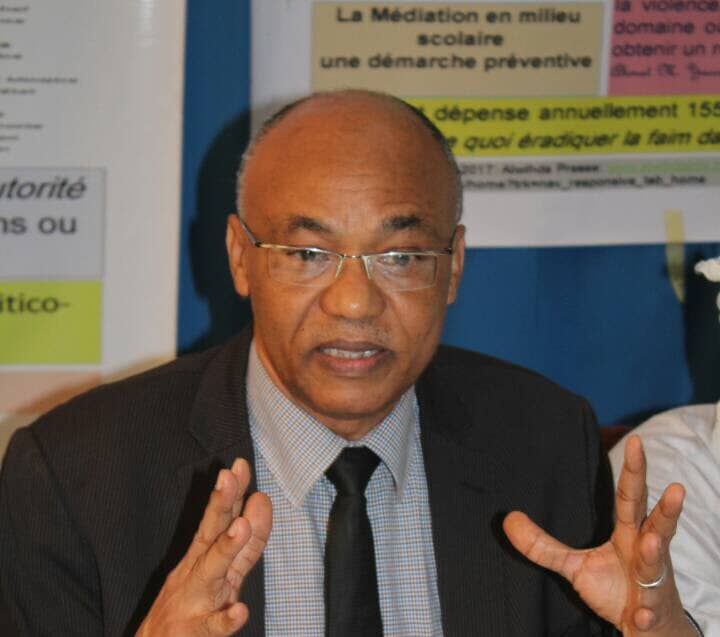
Chad’s decision to grant clemency to prominent opposition figures marks a significant political gesture, according to Dr. Ahmat Yacoub Dabio, a leading expert in conflict resolution. As president of the Center for Development and Extremism Prevention Studies (CEDPE), he views this move as a temporary easing of political tensions, creating an opportunity for dialogue and national reconciliation.
Clearing the air, but not resolving the core issue
While the pardon offers a welcome respite, Dr. Dabio cautions against mistaking it for genuine political reconciliation. The core challenge remains: how to convert this temporary calm into a lasting framework of trust between the government and opposition. A critical stumbling block is the continued ineligibility of key opposition leaders, a paradox where clemency does not restore their right to participate in elections.
This situation is reshaping Chad’s political landscape in unexpected ways. Traditional parties may struggle to adapt, potentially paving the way for a new generation of leaders who prioritize pressing public concerns—jobs, purchasing power, security, and justice. However, if the ineligibility persists, it risks deepening frustrations rather than easing them.
Building trust beyond pardons
For Dr. Dabio, presidential clemency alone cannot bridge the trust deficit between power and opposition. A credible, inclusive, and transparent process is essential to ensure this opening leads to meaningful national reconciliation. Without such a framework, the pardon risks being seen as little more than a symbolic gesture—one that temporarily alleviates pressure but fails to address the underlying grievances fueling political instability in Chad.


 Boureima Amadou