Mariama Hamani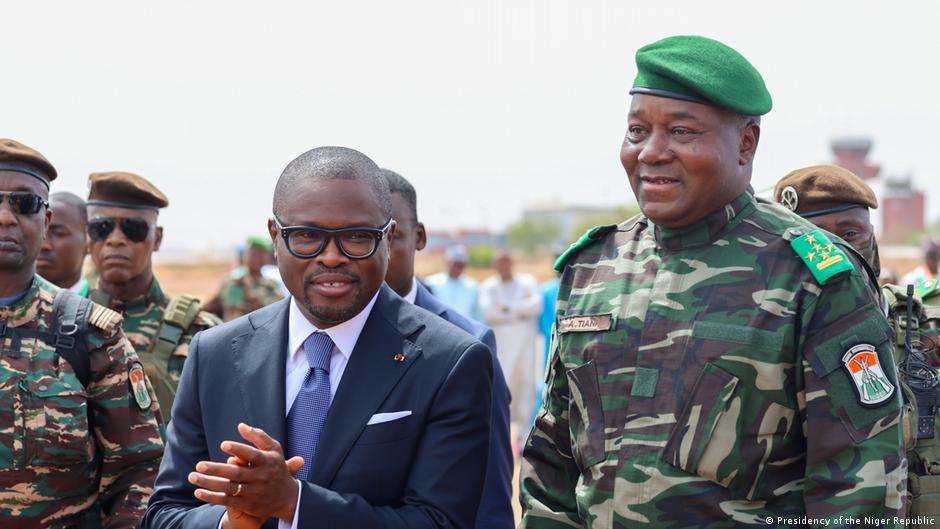
Benin-Niger border thaw raises hopes for economic revival
A joint expert committee tasked with evaluating the reopening of the Benin-Niger border has delivered its findings. While consensus was reached on security protocols, transit logistics, and key legal and economic considerations, Niger has set three non-negotiable conditions that must be met before political ratification can proceed.
What lies ahead for a dispute that has persisted for three years, inflicting severe economic and humanitarian consequences on both nations?
Three non-negotiable prerequisites
Over the weekend, Nigerien authorities outlined their non-negotiable conditions for a sustainable reopening of the border with Benin, which has remained closed since 2023.
- Niamey first demands a formal defense and security pact with Benin, enshrining mutual non-aggression and a commitment from both nations not to allow their territories to be used as bases for destabilizing the other.
For Régis Hounkpè, executive director of InterGlobe Conseils, such an agreement is fundamental: « Yes, Benin will not attack Niger, just as Niger will not attack Benin. This should be standard, yet given the three years of tension, it feels extraordinary. The real test will be implementation. Both nations are working to ensure this non-binding but essential clause is respected. »
- The second condition involves enhanced intelligence-sharing through a joint task force that facilitates real-time data exchange, particularly on terrorism and cross-border trafficking.
Hounkpè praises this measure, emphasizing its reciprocal value: « It’s crucial that both sides feel secure, eliminating any risk of destabilization activities. »
- Finally, Niger insists on full transparency regarding foreign military presence or deployments near the border on the Beninese side.
« This touches on sovereignty, » Hounkpè notes. « President Wadagni has repeatedly stated that Benin, as a sovereign nation, is free to forge its own international partnerships—whether with France, China, Russia, Turkey, or any African state—as long as they are not used to undermine Niger’s stability. » He adds, « Pragmatically, no country benefits from exporting instability. »
These demands reflect Niger’s need to safeguard its territorial integrity amid deep-seated political mistrust since military coups in both nations in July 2023.
Niger bears the brunt of a closed border
Until Benin meets these conditions, the border remains closed—a blockade that cripples a vital trade corridor for both countries. For landlocked Niger, Benin is its primary maritime gateway, with nearly 70% of its imports transiting through this route.
The Port of Cotonou is equally critical for other Economic Community of West African States (ECOWAS) members like Mali and Burkina Faso, which rely on Benin for essential supplies such as construction materials, fuel, and food staples like rice.
Alternative routes are longer, riskier, and have driven logistics costs up by 30 to 50% in under three years.
The oil sector has also suffered. Niger’s 2,000-kilometer pipeline, linking Agadem’s oil fields to Benin’s Sèmè-Kpodji port, has seen suspended flows due to the tensions, depriving Niger of expected revenue.
Benin feels the pinch too
Benin, meanwhile, benefits from transit fees. Yet the blockade has taken a toll. Congested containers and road traffic at the Port of Cotonou have disrupted logistics, slashing revenues for authorities and businesses—some sectors have seen a 60% drop in customs receipts, while transport, wholesale trade, and logistics firms struggle.
Redirected shipments have shifted toward Togo and Nigeria, threatening Benin’s status as a regional hub. The loss of trade with Niger has also driven up prices for basic goods in local markets.
Shared macroeconomic stakes
From a macroeconomic perspective, Hounkpè highlights the mutual benefits of reopening the border: « It would restore the flow of goods, revitalizing the Port of Cotonou, which has struggled for three years. While Benin has diversified its economy, the recovery of this trade route is essential for transporters, logistics firms, and Nigerian businesses alike. »
Human cost of the blockade
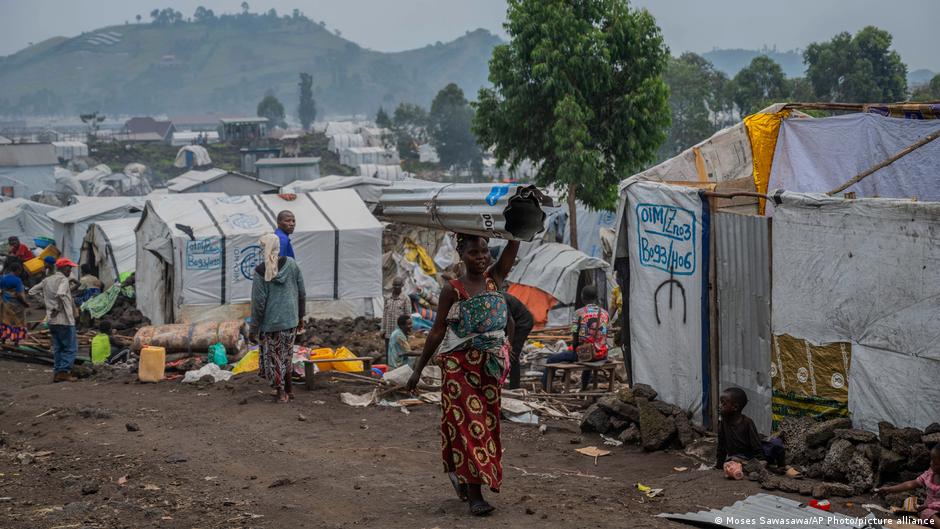
The crisis has hit communities hard. At the Malanville crossing in Benin and Gaya in Niger, market vendors report a nearly 50% drop in clientele, with many shops forced to close. Families have been separated, vulnerable groups face worsening conditions, and mobility has become perilous—river crossings are riskier and costlier than ever, isolating entire communities.
Food shortages and surging prices have further strained households. The economic fallout has also fueled smuggling and extortion networks.
Economic imperatives have driven the two states back to the negotiating table since Beninese President Romuald Wadagni took office. His early June visit to Niamey kickstarted the joint expert committee, signaling a pragmatic shift toward cooperation.
Hounkpè stresses the need for both nations to move beyond political ideologies: « Leaders today prioritize geopolitics over geography. They are bound to collaborate—their survival depends on it. »
« We must set aside ideology and focus on the essentials: economic survival, logistical resilience, security, and counter-terrorism. »
The most likely outcome is a gradual border reopening, prioritizing essential goods with enhanced monitoring. If negotiations succeed, Hounkpè predicts a « positive ripple effect » across ECOWAS and the African Union, much like the recently restored ties between Mali and Côte d’Ivoire.


 Boureima Amadou