Boureima Amadou

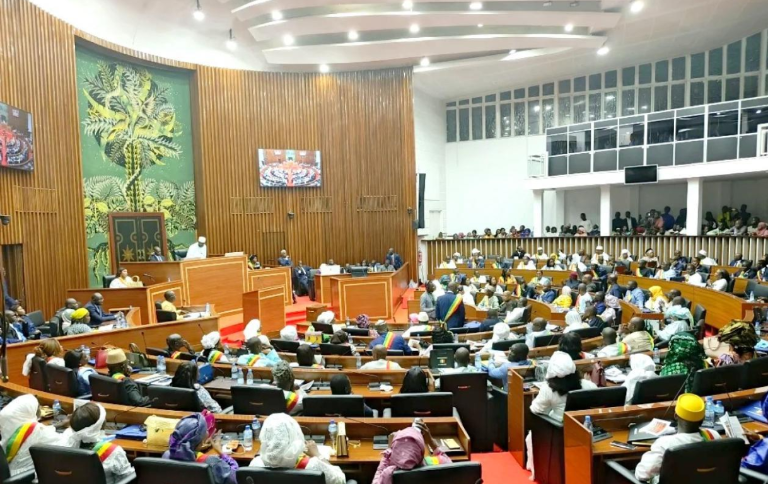
The United Nations General Assembly delivered a decisive verdict on October 28, 2026, with 130 nations voting to end the decades-long U.S. embargo on Cuba. Yet, one country stood apart from the African consensus: Morocco. In a historic departure, Rabat became the only African nation to oppose the resolution, signaling a bold shift in diplomatic priorities on a global stage.
UN vote reveals shifting African alliances on Cuba
For the 34th consecutive year, the UN General Assembly adopted a resolution calling for an end to the U.S. embargo on Cuba. The vote, held in New York, reflected a growing international consensus—130 in favor, 17 against, and 25 abstentions. While the resolution passed overwhelmingly, the African bloc’s unity on the issue faced an unprecedented fracture.
Morocco’s vote against the resolution starkly contrasted with the rest of Africa, where the vast majority of nations either supported the measure or abstained. Historically, African countries have aligned closely on issues of sovereignty and economic freedom, making Rabat’s stance a notable exception. This divergence raises questions about Morocco’s evolving diplomatic strategy and its relationship with both Washington and its African peers.
From abstention to opposition: Morocco’s strategic pivot
Analysts point to a significant shift in Morocco’s position. Reports indicate that in previous votes, Rabat had either abstained or supported the resolution, aligning with the African bloc. This year, however, Morocco not only opposed the resolution but did so as the sole African dissenting voice. The move coincides with intensified U.S. diplomatic efforts to sway international opinion against lifting the embargo.
While the U.S. argues that the embargo is necessary to address human rights concerns in Cuba, Havana condemns it as an unlawful economic siege. The debate extends beyond bilateral tensions, touching on fundamental principles of international law, including state sovereignty and economic independence. For Africa, the resolution traditionally symbolizes solidarity with nations facing unilateral sanctions—a tradition Morocco now appears to challenge.
Cuba’s enduring struggle amid global deadlock
The U.S. embargo, in place since the early 1960s, has long crippled Cuba’s economy, restricting trade and financial flows. Supporters of the resolution argue that lifting the embargo could alleviate Cuba’s severe economic crisis, marked by energy shortages, food scarcity, and crumbling infrastructure. Critics, however, contend that the embargo’s removal alone would not resolve Cuba’s internal challenges, pointing to governance and economic mismanagement.
Despite the UN’s non-binding nature, Cuba has secured repeated diplomatic victories in the General Assembly. Yet, without U.S. congressional action, the embargo remains in place. Morocco’s vote underscores the complexity of global diplomacy, where even long-standing alliances can fracture under shifting geopolitical pressures.
A turning point for Moroccan diplomacy?
The question now is whether Morocco’s vote signals a broader realignment in its foreign policy. While the kingdom has not provided a detailed public explanation for its decision, the move suggests a recalibration of its strategic priorities. Could this be a calculated step to strengthen ties with the U.S. or an assertion of independent foreign policy? Without clarity, the full implications remain uncertain, but the divergence from African unity is undeniable.
For now, the UN vote serves as a reminder that diplomatic solidarity is not absolute. Morocco’s lone stand against the African consensus may be a harbinger of evolving global alignments, where traditional blocs are increasingly challenged by individual national interests.
What’s next for Cuba and the global embargo debate?
The road ahead remains uncertain. With the embargo still in effect and no immediate sign of U.S. policy change, Cuba’s economic struggles persist. Meanwhile, nations like Morocco are redefining their diplomatic footprints, leaving Africa—and the world—to reconsider the meaning of unity in an era of shifting alliances.
The 2026 UN vote may have been a symbolic victory for Cuba, but it was Morocco’s bold dissent that captured the world’s attention—proving that in diplomacy, even the most entrenched positions can shift.