Boureima Amadou
A devastating drone strike on a busy train station in Dnipro, Ukraine, has marked a turning point in the war’s civilian toll after at least 13 people lost their lives in the October 29, 2026 attack. The precision strike on a civilian platform—just as a train bound for Zaporizhzhia arrived—has exposed the harsh reality of modern urban warfare.
From morning routine to tragedy: the moment Dnipro’s station became a war zone
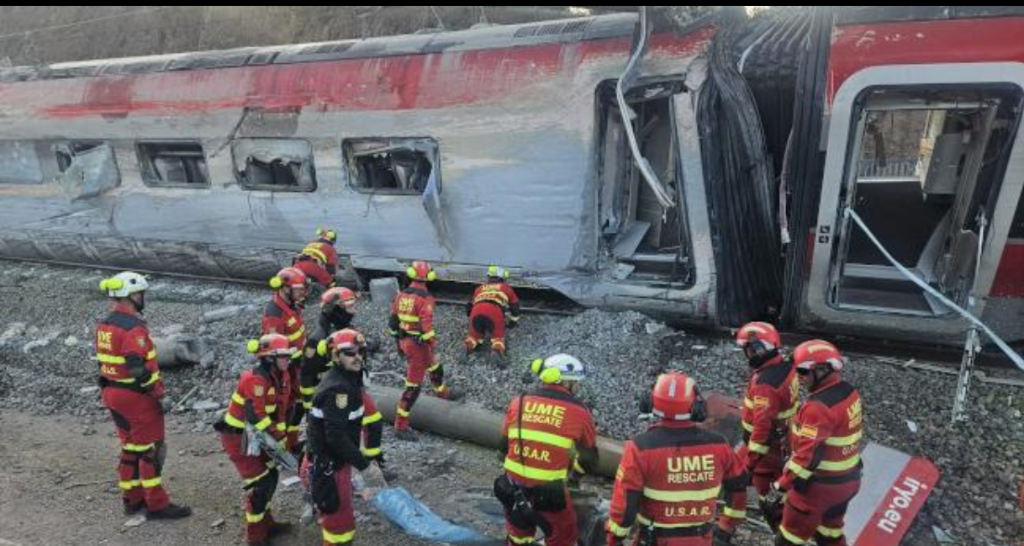
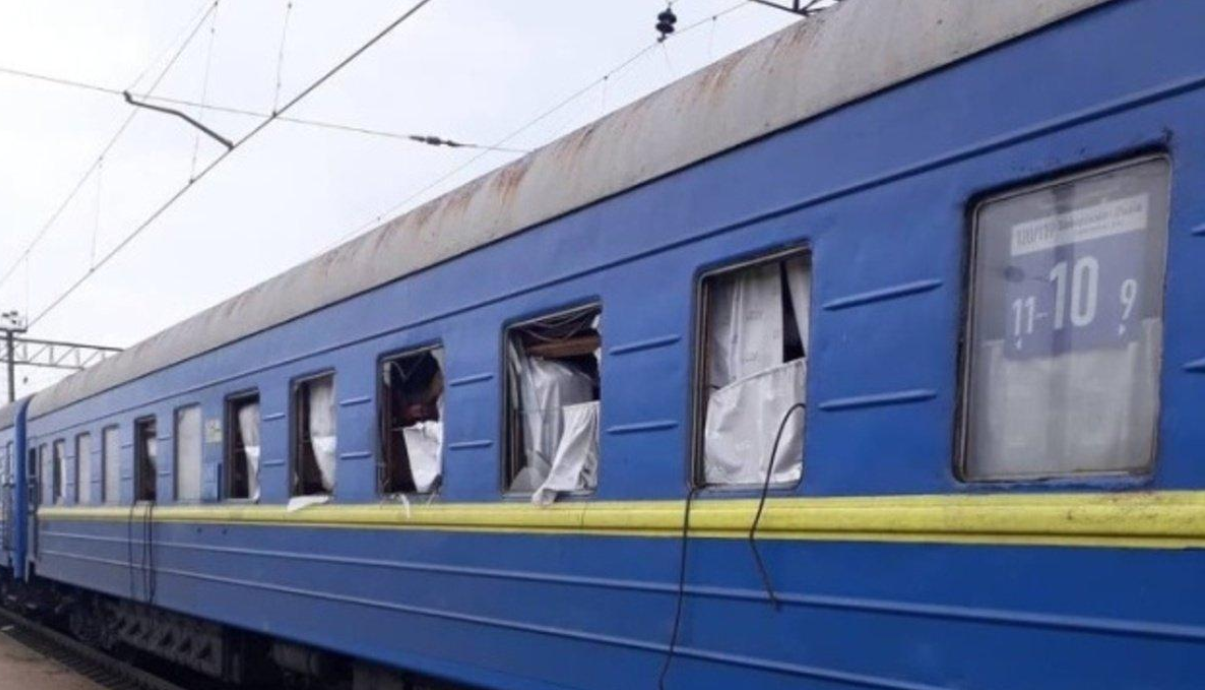
The attack unfolded on a Thursday morning at one of Ukraine’s busiest transit hubs. A Russian jet-powered drone targeted a crowded platform in Dnipro’s central station, moments after passengers had boarded or prepared to board train no. 866, a daily connection to Zaporizhzhia. Local authorities confirmed that the explosion killed 13 people and injured several others, with emergency responders working frantically to secure the site and aid the wounded.
Dnipro’s mayor, Borys Filatov, described the strike as a deliberate assault on a lifeline for thousands of civilians. President Volodymyr Zelensky condemned the attack as a flagrant violation of international humanitarian law, underscoring the attack’s deliberate targeting of non-military infrastructure.
Why train stations are now on the front line of Ukraine’s war
Since Russia’s full-scale invasion in 2022, Ukraine’s railway network has served as a vital artery for survival. It enables the movement of people fleeing conflict zones, the transport of humanitarian aid, and the maintenance of national connectivity—even under constant bombardment.
Yet this strategic importance has made stations and rail corridors prime targets. A strike like the one in Dnipro doesn’t just damage buildings—it disrupts entire communities. Families separated by war face further delays in reunification. Workers cannot reach their jobs. Children cannot travel safely to school. And every alert forces a brutal choice: flee or stay, risking exposure to aerial threats.
Ukrzaliznytsia, Ukraine’s national rail operator, had issued an air raid alert before the strike. Despite warnings, the platform remained occupied—highlighting the near-impossible challenge of evacuating large numbers of civilians in time, especially during peak travel hours.
Drones over Dnipro: how aerial strikes are changing the rules of war
The use of jet-powered drones in Ukraine represents a leap in tactical warfare. Unlike propeller-driven drones, these high-speed, low-altitude systems are harder to detect and intercept using conventional air defense systems. Their precision and range allow attacks on strategic yet vulnerable civilian sites—railway stations, energy plants, medical facilities—with devastating efficiency.
For Ukrainian air defense, this means an ever-growing burden: maintaining constant radar surveillance, deploying limited interceptors, and prioritizing scarce missile resources. Despite ongoing international support, the sheer volume of drone attacks means no region—or infrastructure—is truly safe.
Investigating the attack: what we know (and don’t) about the strike
While Ukrainian authorities have confirmed the use of a jet-powered drone, details about its origin, trajectory, and intended target remain under investigation. Was the station a primary objective? A byproduct of a broader military operation? The lack of clarity around the drone’s mission raises concerns about the indiscriminate nature of such strikes and whether they comply with the principles of distinction and proportionality under international law.
A turning point for Ukraine’s call for stronger global response
This attack comes as President Zelensky intensifies pressure on Western allies to escalate sanctions and military aid against Russia. The timing—amid ongoing negotiations over long-term security guarantees—has turned Dnipro into a symbol of both civilian suffering and the need for urgent action.
But beyond diplomacy, the emotional and social toll is immeasurable. Thirteen lives lost. Dozens of families shattered. A city left to mourn while its people continue to adapt to a reality where no journey is safe—and no platform is just a platform.
What’s next for civilians caught in the crossfire?
As rescue and recovery efforts continue, one question dominates the national conversation: How can Ukraine protect its people when even basic transit becomes a target? With no end to the conflict in sight, communities are forced to rethink survival strategies—shifting travel times, avoiding stations during peak hours, and living with the constant hum of drones overhead.
The Dnipro strike is not just another tragic headline—it’s a moment of reckoning. It forces the world to confront a brutal truth: in modern warfare, civilians are no longer collateral damage. They are deliberate targets. And every attack erodes the very fabric of society they’re meant to protect.