Boureima Amadou
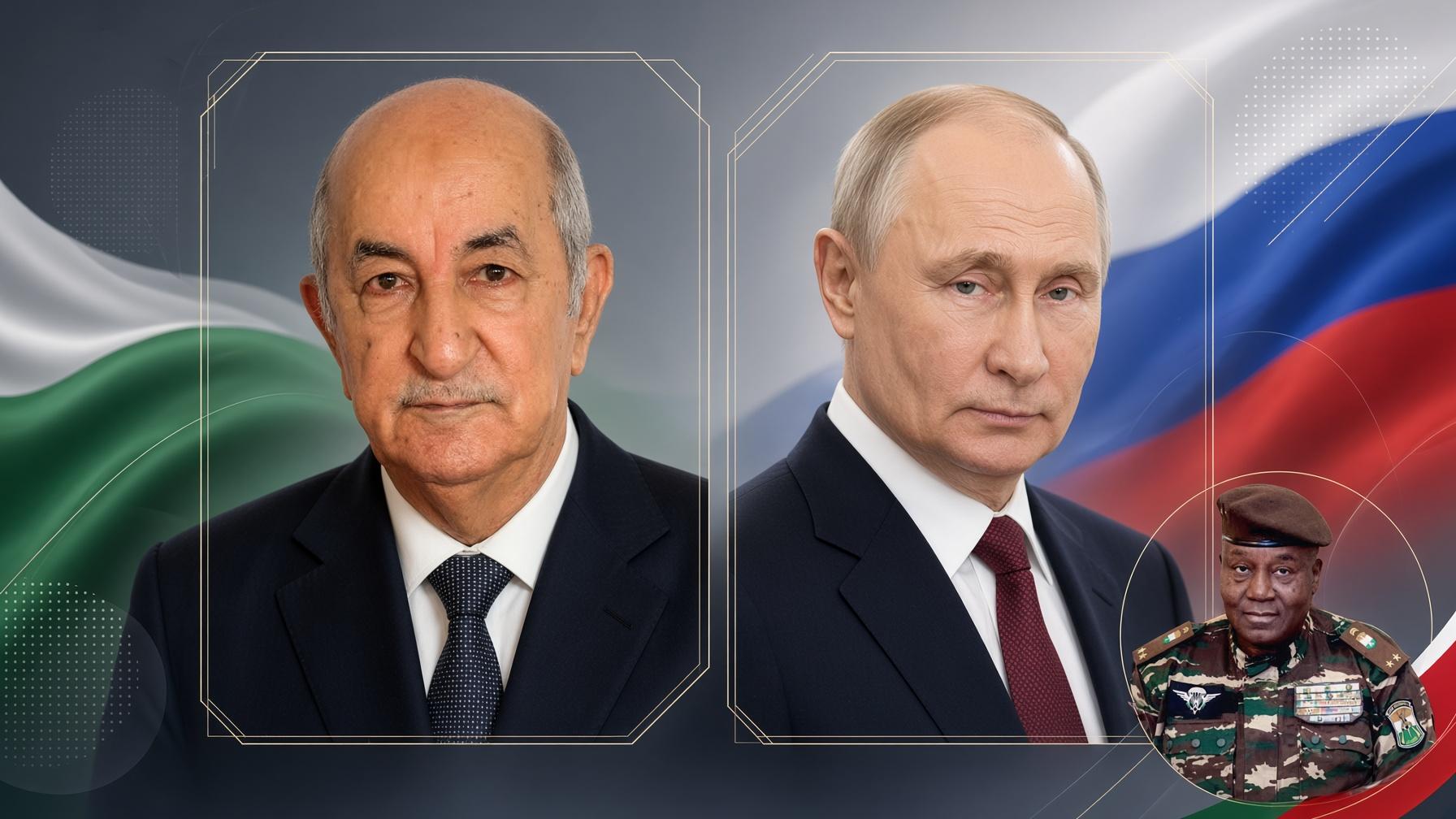
Just as Moscow’s diplomats believed they had cornered the Sahel’s security landscape through the Alliance of Sahel States (AESS), the geopolitical sands of the Sahara shifted beneath their feet. A seismic policy reversal unfolded when Algeria’s parliament approved the unprecedented deployment of the People’s National Army (ANP) into Niger—marking the first cross-border military intervention in half a century. This decisive move doesn’t just challenge the Russian sphere of influence—it signals the opening of a new battlefield where Algiers and Moscow vie for dominance, reshaping the rules of engagement in the heart of Africa.
From exclusive arms deals to open rivalry: the economic earthquake reshaping Sahel security
The fall of the Western-backed regime in Niamey was supposed to solidify Moscow’s military monopoly across the Sahel. Yet the sudden surge of Algeria’s troop deployment has sent shockwaves through a fragile economic model built on lucrative arms contracts and resource-for-security agreements. Since the coup, Niger had become a showcase for Russian defense exports: cutting-edge air defense systems, tactical drones, attack helicopters, and paid advisory units from the Africa Corps—all backed by multi-hundred-million-dollar deals and hidden mining concessions. Now, Algeria’s direct military presence threatens to collapse that foundation.
The pillars of Russian leverage under siege
- Erosion of strategic monopoly: Algeria’s structured, high-capacity military assistance offers Niamey a credible alternative, reducing pressure to renew expensive Russian arms packages.
- Disruption of extractive financing: Moscow’s model relied on security in exchange for mining rights; Algerian troops undermine that quid pro quo, stripping Moscow of its indirect revenue streams.
- Technical sovereignty over equipment: With deep expertise in Soviet-era systems—Su-30 fighters, armored vehicles, artillery—Algeria can provide maintenance and upgrades, cutting Russian contractors out of high-margin service contracts.
Safeguarding Algeria’s energy lifelines: why Niamey became a red line
For Algiers, the stakes go far beyond military posturing. The southern border of Algeria borders regions rich in strategic assets, and Moscow’s growing influence in Niamey posed a direct threat to vital investments. Algeria acted to neutralize risks to two crown jewels of its energy diplomacy:
- Kafra Oil Field: Operated by Sonatrach through its subsidiary SIPEX, this block holds tens of millions of barrels and sits at the core of the Algeria-Niger industrial revival.
- Trans-Saharan Gas Pipeline (TSGP): The $13 billion megaproject aims to transport 30 billion cubic meters of Nigerian gas annually to Europe via Niger and Algeria. Its success demands absolute security in the Sahara—a zone incompatible with armed non-state actors aligned with Moscow.
By positioning its troops, Algeria doesn’t just secure infrastructure; it sends a message: its energy corridors will not fall under Moscow’s shadow.
A historic realignment: when Algeria becomes Moscow’s rival, not buyer
For decades, Algeria was Russia’s top arms buyer in Africa. Today, it wields its own military strength to counter Kremlin ambitions. The deployment forces Niamey’s junta to reconsider its unconditional alignment with Moscow, injecting fresh uncertainty into Russia’s Sahel strategy.
Moscow, once confident of a seamless takeover within the AESS, now faces a rival whose interests in security, energy, and sovereignty cannot be ignored. The Sahara has become a silent battleground—not of open war, but of economic and military containment. Algeria’s move doesn’t just shift alliances; it redefines what it means to hold power in the Sahel.
The new power calculus for Niamey, Moscow, and Algiers
- For Niamey: Algeria offers a lifeline to renegotiate financial and security dependencies, potentially reducing reliance on costly Russian mercenary support.
- For Moscow: The illusion of unchallenged influence in the Sahel is shattered; Russia now faces a competitor whose military, technical, and economic weight is impossible to bypass.
- For Algiers: This is a strategic assertion of leadership, proving that when it comes to the Sahel, Algeria is not just a player—it is the gatekeeper.

 Mariama Hamani