Boureima Amadou
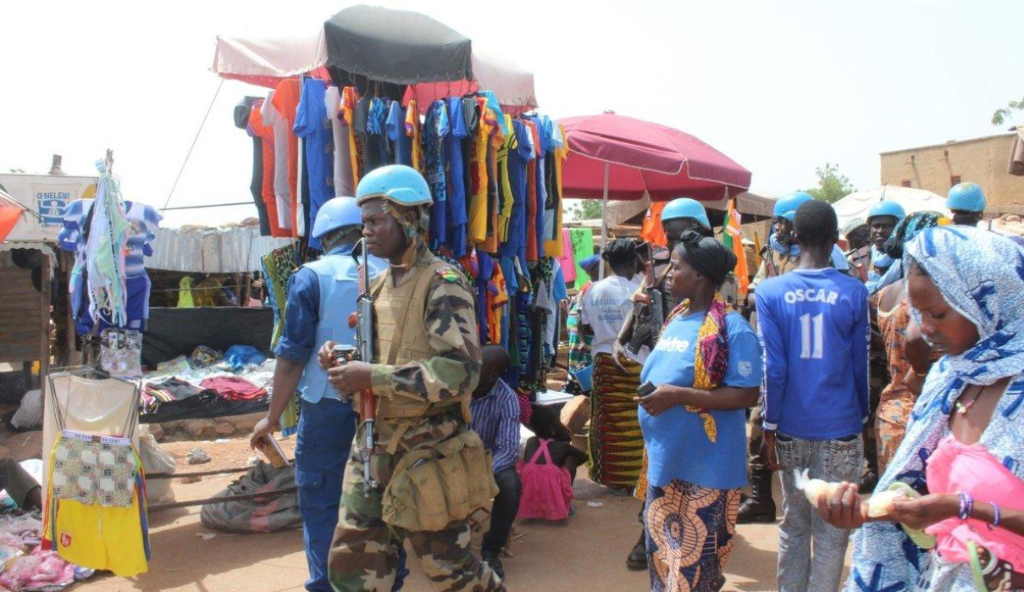
The conflict in Mali has reached a pivotal moment, with civilians bearing the brunt of escalating violence. A recent investigation reveals a disturbing pattern of attacks targeting unarmed populations, prompting urgent calls for accountability and decisive action to protect those caught in the crossfire.
Human rights violations surge across central and northern Mali
A comprehensive report documents widespread abuses committed by both state forces and armed groups, including aerial strikes on civilian markets and the destruction of critical healthcare infrastructure. The findings underscore a systemic failure to uphold international humanitarian law, with civilians paying the highest price.
Drone strikes and market massacres
On August 19, a drone strike on the livestock market in Tombonkore, Bandiagara region, killed six civilians and injured over 20 others. Witnesses confirmed no armed combatants were present at the time, raising serious concerns about the targeting protocols used in military operations. The attack also destroyed stalls, motorcycles, and livestock, devastating local livelihoods.
Another incident on July 29 in Talahandak, Kidal region, saw a military drone partially destroy a healthcare facility. The center housed civilians and medical supplies, violating protections granted to medical infrastructure under international law. Such attacks exacerbate already dire healthcare access in conflict zones.
Collateral damage in military operations
On July 12 in the Ségou region, five girls aged 10 to 13 were killed by Malian soldiers while working in a rice field near Niono. Military officials claimed the children were mistaken for attackers following an earlier ambush, though the incident raises questions about the precautions taken to distinguish civilians from combatants. The soldiers reportedly apologized to the families, but the tragedy highlights the human cost of flawed military protocols.
Additionally, allied Dozo militias were implicated in the killing of three civilians in Mopti on July 27 and 28. The circumstances surrounding these deaths remain under investigation, with calls for transparent accountability.
Insurgent groups and their brutal tactics
Armed groups are not exempt from scrutiny. On July 18 near Tabrichat in the Gao region, fighters from the Group for the Support of Islam and Muslims (GSIM) and the Azawad Liberation Front (FLA) ambushed a Malian military convoy. The report documents the torture and execution of at least 19 captured soldiers, a clear violation of the Geneva Conventions.
These acts serve as a stark reminder that all parties to the conflict must adhere to the rules of war, regardless of their objectives. The targeting of prisoners and the use of indiscriminate violence against civilians are unacceptable under any circumstances.
Regional institutions urged to act
The crisis demands more than condemnation—it requires concrete measures to break the cycle of impunity. Human rights organizations are calling on the African Union’s Peace and Security Council to prioritize civilian protection in Mali, including regular reporting on measures taken and independent investigations into alleged abuses by all parties.
On August 5, a letter outlining findings and questions was sent to Mali’s Minister of Defense, but no response has been received as of the report’s publication. This silence underscores the urgency of establishing mechanisms to uncover the truth, hold perpetrators accountable, and deliver justice to victims and their families.
A turning point for civilian protection
The situation in Mali has reached a crossroads. With civilians trapped between military operations, retaliatory attacks, and insurgent violence, the fight against impunity is no longer optional—it is a necessity. Credible investigations, verifiable commitments, and the prosecution of those responsible are essential to restoring hope and security to affected communities.
The time for decisive action is now. The international community and regional bodies must step up to ensure that the protection of civilians is not just a promise, but a reality.