Mariama Hamani
Unverified reports ignite speculation about a potential leadership vacuum
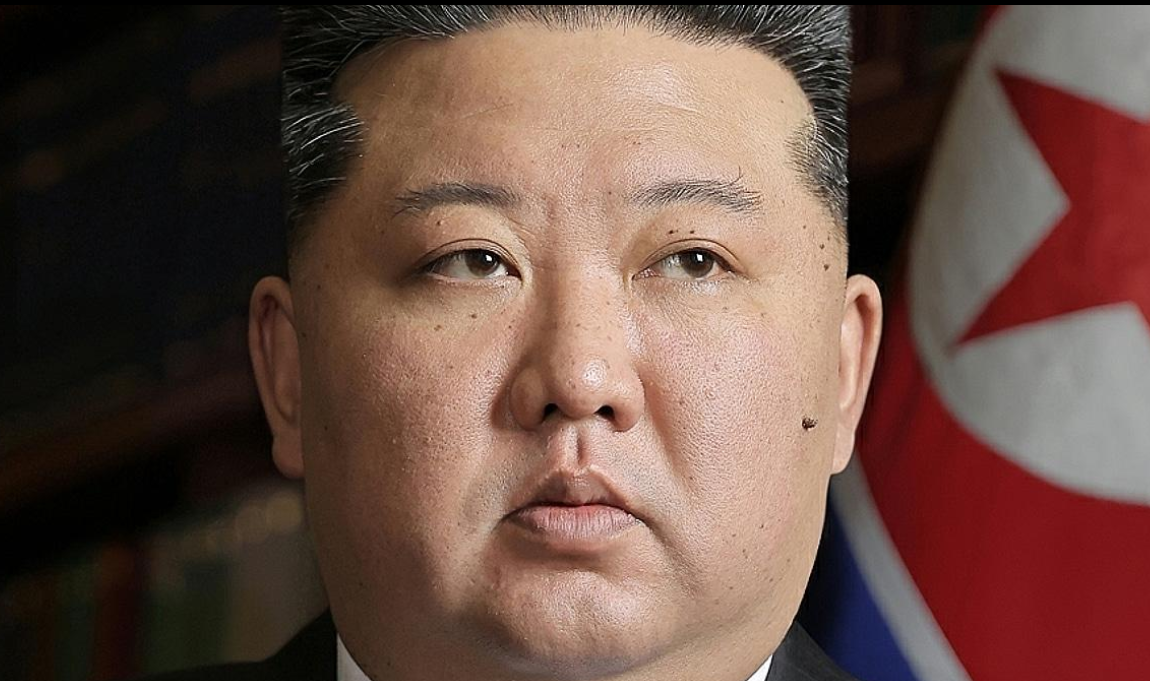
North Korea faces a critical moment following unverified but widely circulated reports that leader Kim Jong-un may have suffered a severe stroke and fallen into a coma. According to leaked details, he was allegedly rushed to Peking Union Medical College Hospital in Beijing for emergency treatment. Yet, with no official confirmation from Pyongyang or Beijing, the situation remains shrouded in uncertainty.
Social media sparks a global rumor storm
The claim originated from social media posts, amplified by international coverage, suggesting that Kim Jong-un collapsed after a hemorrhagic stroke and was immediately transferred to China. The reports cited unnamed sources, including a Chinese dissident based in the U.S., but no independent evidence has emerged to substantiate the allegations. The rapid spread of this unconfirmed information highlights how conjecture about a reclusive leader can quickly dominate global headlines.
The role of state media in shaping perceptions
In North Korea, health-related information about the supreme leader is tightly controlled, making any absence from public view a trigger for speculation. Despite this secrecy, state-run media recently published images purportedly showing Kim Jong-un attending an exhibition with his daughter, Kim Ju-ae. While this suggests recent activity, it does not confirm his current health status or rule out the possibility of a medical emergency.
History of health rumors and their impact
The uncertainty surrounding Kim Jong-un’s health is not new. Since assuming power in 2011, his physical appearance, weight fluctuations, and lifestyle have been frequent topics of international discussion. Some assessments by foreign intelligence agencies have highlighted concerns about his cardiovascular risks, though these do not constitute evidence of a recent stroke. The legacy of his late father, Kim Jong-il, and grandfather, Kim Il-sung,—both of whom died in office—adds to the intrigue, but does not clarify his current condition.
What a leadership vacuum could mean for North Korea
Should Kim Jong-un be unable to fulfill his duties long-term, North Korea could face a period of instability in a regime where power is concentrated within a narrow circle. His sister, Kim Yo-jong, wields significant political influence, while his daughter’s growing public presence has fueled succession speculation. The North’s nuclear program and regional security dynamics make any leadership transition a matter of global concern for neighbors like South Korea, China, Japan, and the United States.
Why official silence fuels more questions than answers
Pyongyang has not issued any medical bulletin or denied the rumors outright. The absence of verifiable facts leaves analysts and governments to rely on fragmentary evidence and historical patterns. Without credible information, any claim—no matter how dire—must be treated as unconfirmed until proven otherwise.
Separating rumor from reality: a call for caution
At this stage, the reports of a stroke, coma, and medical evacuation to China remain unproven. Journalistic integrity demands that such claims be presented as speculative until supported by concrete evidence. As the situation evolves, the world watches closely—not just for the truth about Kim Jong-un’s health, but for the potential consequences it may have on the Korean Peninsula and beyond.