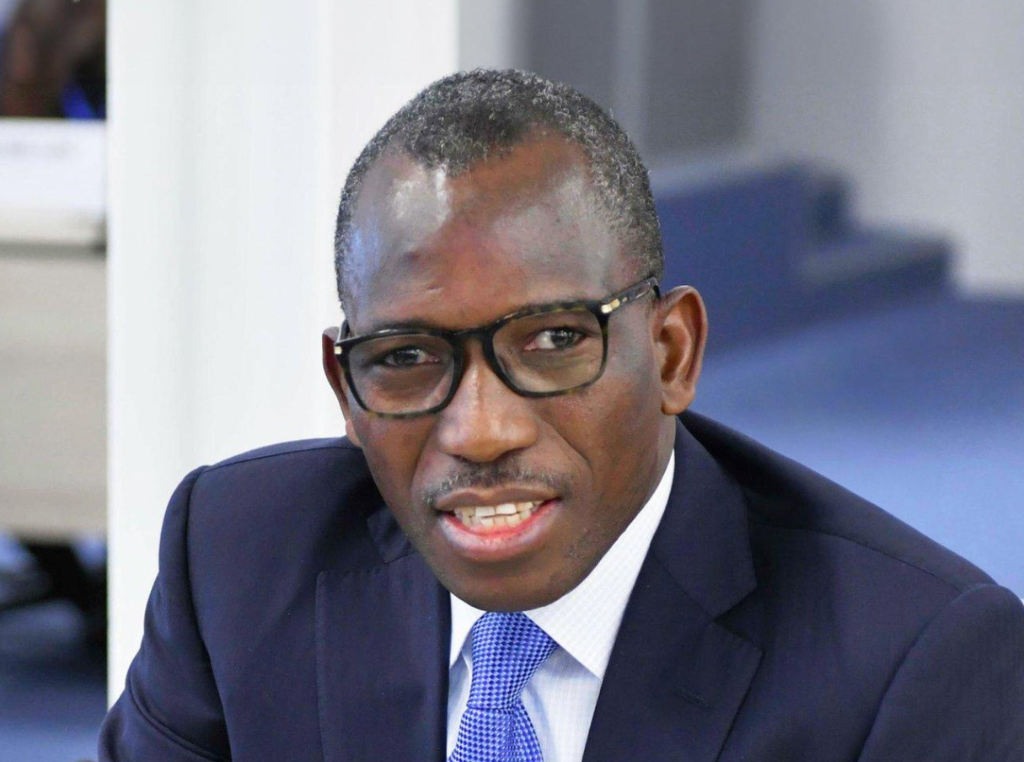
Boureima Amadou
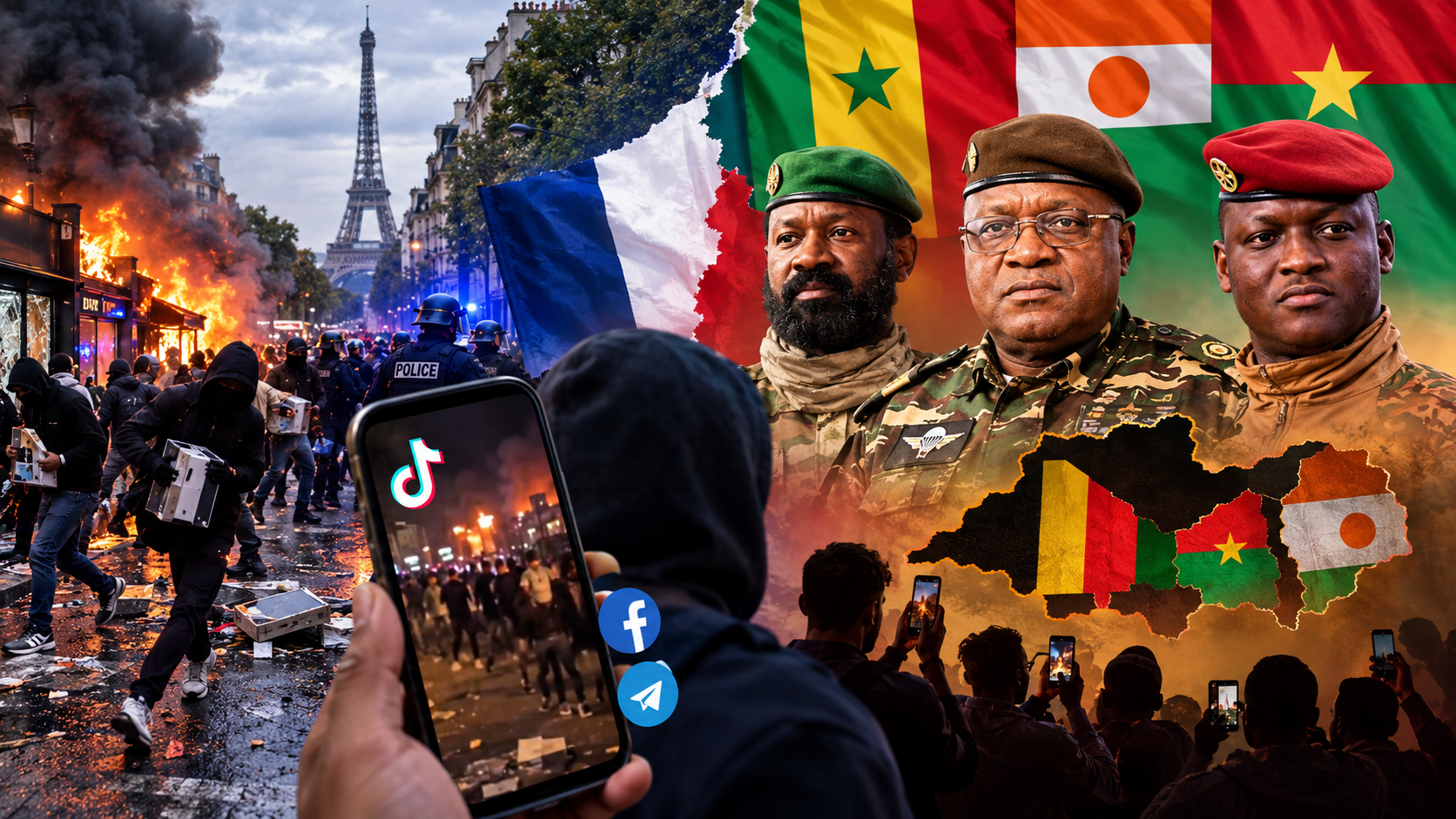
The recent wave of urban violence in France has transcended national boundaries, reverberating across Africa’s Sahel region where military-led governments in Mali, Burkina Faso, and Niger have seized upon the turmoil to amplify their anti-France narratives. On digital platforms such as TikTok, Facebook, and Telegram, graphic footage of looting, arson, and clashes with law enforcement has become ammunition for those seeking to undermine Paris’ moral authority.
Turning crisis into political currency: how Sahel juntas exploit French unrest
For supporters of the Alliance of Sahel States (AES), the images emerging from France’s streets present a rare opportunity to invert the traditional critique of African governance. If France lectures on democratic values, human rights, and rule of law, why, they argue, do similar scenes unfold on its own soil? This rhetorical pivot is calculated not only to erode trust in Western narratives but also to foster a sense of historical justice against France, the former colonial power.
The strategy is twofold: first, to expose perceived hypocrisy in Western governance models, and second, to reinforce the legitimacy of military rule in the Sahel by contrast. Yet this narrative rests on a deliberately selective reading of events one that conflates localized unrest with systemic failure.
Individual responsibility vs. collective culpability: the legal dimension
Beyond the battlefield of public opinion lies a more pressing concern: accountability. Investigators have begun examining evidence linking certain disturbances to foreign nationals, including citizens of Mali, Burkina Faso, and Niger. If these allegations are substantiated, the individuals involved will be held to account under French law, regardless of nationality or immigration status. The principle is unambiguous: no one is above the law, and foreign status does not confer immunity.
For those residing in France without legal authorization, the consequences could extend beyond criminal prosecution. Administrative measures, including potential deportation, may follow if their participation in criminal acts is confirmed. Every procedural safeguard will apply, ensuring due process and respect for fundamental rights.
Upholding justice amid political manipulation
It is critical to distinguish between legitimate judicial proceedings and opportunistic propaganda. Preliminary investigations suggest that while some foreign nationals may have taken part in disorderly conduct, their actions do not reflect the conduct or values of entire communities. Nationality alone cannot establish guilt, nor does it justify collective punishment. Responsibility remains personal, and justice must be applied accordingly.
Decoding the propaganda machine: separating fact from fiction
The Sahel juntas’ information campaigns thrive on distortion. They amplify footage of isolated incidents, reframe historical events as current, or attach misleading captions to authentic videos. Such tactics aim to magnify unrest into a symbol of systemic collapse in France, while sidestepping the absence of evidence tying the violence to broader governance failures.
Independent verification remains the most effective countermeasure. By cross-referencing timestamps, geolocations, and source metadata, it becomes possible to identify coordinated disinformation campaigns. Yet even such scrutiny cannot confirm a centralized strategy orchestrated by state actors only persistent patterns of manipulative storytelling.
Beyond the screens: the limits of political score-settling
The French judiciary now faces a dual challenge: conducting transparent investigations into the unrest while resisting attempts to weaponize justice for geopolitical gain. As legal proceedings unfold, the integrity of the process must remain paramount. Public pronouncements whether from officials or online commentators must not preempt judicial findings.
Equally important is the recognition that this crisis is not a verdict on France as a nation, nor a validation of Sahel juntas’ leadership. The rule of law, not rhetorical victories, will ultimately determine the outcome. And while political narratives may shift in real time across social platforms, the truth lies in the courtroom, not in the comments section.
Accountability without prejudice: a principle for all
At its core, this moment tests the world’s commitment to justice over partisanship. When individuals breach the law, they must face consequences regardless of origin. Conversely, communities should not be stigmatized for the actions of a few. The Sahel’s military regimes may seek to exploit France’s turbulence, but no state’s stability should be measured by the misdeeds of outsiders. The path forward demands clarity: uphold the law, reject collective blame, and preserve the integrity of justice as the final arbiter.
By Boureima Amadou — Journalist