Boureima Amadou

The long-simmering tensions between Sudan and South Sudan have escalated sharply after what local authorities describe as a deliberate drone strike on a bustling market in the contested Abyei region. The attack on Amiet Market, which unfolded during peak trading hours, left at least 73 civilians dead and 19 injured, sending shockwaves through a community already scarred by territorial disputes and cross-border instability.
Market in ruins: the human cost of a midday assault
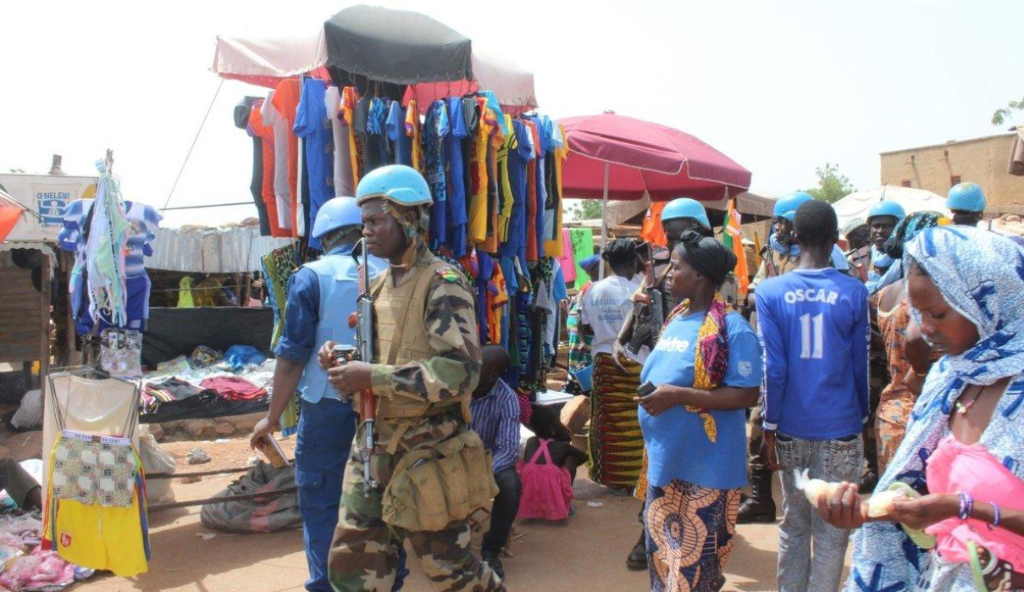
The strike struck Amiet Market around 11:30 a.m. local time, hitting key commercial zones where fuel depots, food stalls, and construction materials are traded daily. The presence of fuel reserves turned the operation into a race against time; fires raged unchecked, thick smoke choked recovery efforts, and first responders struggled to reach survivors amid smoldering debris.
Merchants and shoppers—many from overlapping communities straddling the Sudan-South Sudan divide—were caught in the crossfire. The market, a lifeline for medicine, food, and construction supplies, now lies in ruins. Authorities in Abyei report that the death toll is provisional and expected to rise as rescue teams retrieve additional victims from the wreckage.
Khartoum accused as Juba takes diplomatic center stage
The South Sudanese government wasted no time in issuing a formal protest. On October 19, the Ministry of Foreign Affairs summoned Sudan’s ambassador to Juba to demand an immediate explanation and to register “grave concern” over the safety of civilians and the stability of Abyei. The démarche sends an unmistakable message: Juba is no longer willing to tolerate actions that threaten its border populations or escalate regional volatility.
While no official Sudanese response has been made public, local officials in Abyei have squarely placed responsibility on Sudanese Armed Forces, alleging deliberate targeting of civilian infrastructure. The accusation remains unconfirmed, underscoring the urgent need for an independent investigation to ascertain the attack’s true nature, targets, and chain of command.
Abyei’s unresolved status fuels simmering conflict
Abyei remains one of Africa’s most volatile flashpoints. Despite provisional arrangements since South Sudan’s 2011 independence, the region’s definitive status has never been settled. Rich in oil and crisscrossed by vital trade corridors, its contested territory is a magnet for competing claims and military posturing.
The ongoing war in Sudan—pitting the Sudanese Armed Forces against the Rapid Support Forces—has only deepened the fragility. Commercial routes critical to local survival now double as front lines, and displaced populations face constant exposure to cross-border raids and aerial bombardments. Amiet Market, with its dual role supplying fuel to Sudanese and South Sudanese communities alike, sits at the nexus of these pressures.
Fuel, food, and fragility: what makes Amiet a strategic target?
The market’s significance extends beyond trade. It is a node for humanitarian supply chains, a hub for cross-border commerce, and a symbol of shared economic survival. The presence of fuel depots raises questions about whether the strike aimed at disrupting supply lines or whether civilians were intentionally targeted. Without transparent verification, motives remain speculative—fueling regional mistrust and diplomatic paralysis.
International law in the crosshairs as civilians pay the price
The attack has thrust the protection of civilians in contested zones into the spotlight. Markets, hospitals, and schools—places where non-combatants congregate—are supposed to remain off-limits under international humanitarian law. Yet when battlefronts expand into urban areas, the distinction between combatant and civilian blurs dangerously.
South Sudan’s swift diplomatic move signals an attempt to reclaim the initiative, urging both nations to return to established negotiation mechanisms and eschew unilateral military escalation. The call for dialogue comes at a precarious moment: families await news of missing relatives, rescue workers sift through rubble, and the region braces for further fallout.
Can this tragedy become a turning point for regional stability?
The question now is whether the scale of human loss will catalyze real change. Will Khartoum and Juba finally commit to an independent probe that establishes facts beyond political recrimination? Will the international community mobilize to enforce civilian protection in Abyei? Or will this latest tragedy be absorbed into a cycle of violence that has already claimed too many lives?
As the hours tick by, one fact is clear: the 73 lives lost in Amiet Market are not just a statistic—they represent a community’s hope for peace, erased in a single, devastating moment. The path forward demands more than diplomatic statements; it requires concrete action to shield civilians and restore trust in a region on the brink of further fragmentation.