Mariama Hamani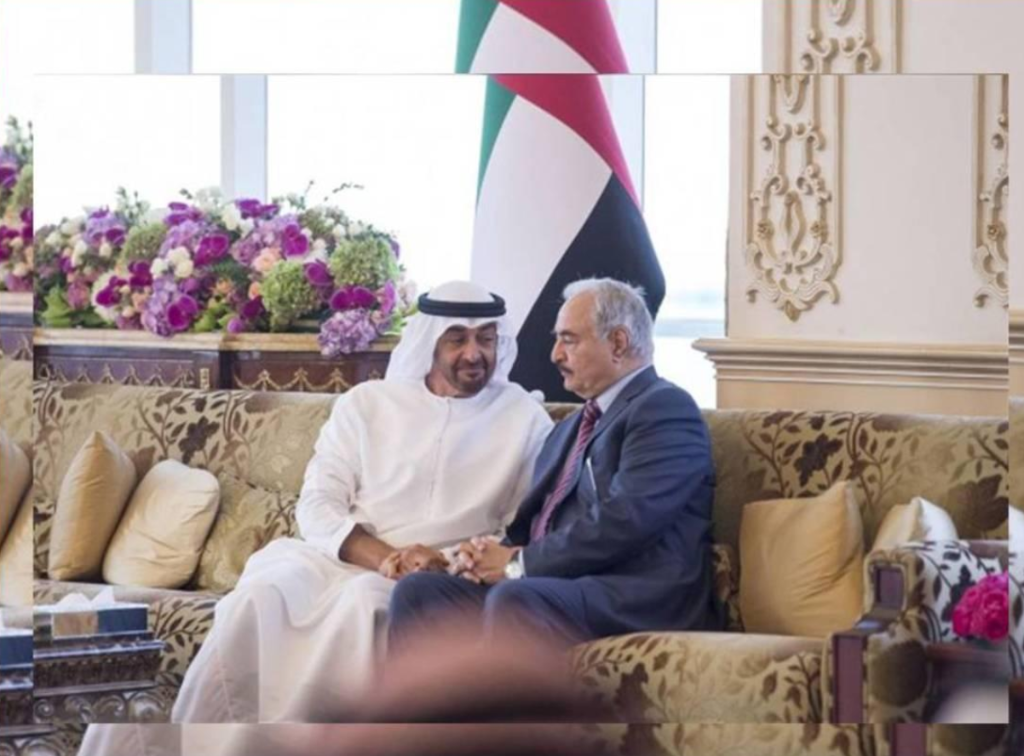
From Kidal’s collapse to cross-border gambits: the FLA’s high-stakes survival strategy
The fall of Kidal on October 6, 2026, marked a definitive turning point in Mali’s prolonged armed conflict, stripping the Front de Libération de l’Azawad (FLA) of its most symbolic stronghold without a single shot. Rather than a military defeat, the insurgents framed their withdrawal as a deliberate strategic retreat, designed to salvage both personnel and equipment while avoiding annihilation. Yet the loss of this northern citadel has left the FLA facing an existential crisis, compelling it to seek new lifelines far beyond Mali’s borders. The insurgents’ pivot toward Libya’s eastern factions and the United Arab Emirates represents not just a shift in alliances but a bold gamble to regain momentum in a rapidly deteriorating security landscape.
The Haftar factor: Libya’s eastern front as a lifeline for Mali’s separatists
With Algeria’s historic role as a regional mediator now in question following Bamako’s abandonment of the 2015 Algiers Peace Accord, the FLA has turned its sights eastward—toward the war-torn but strategically vital eastern Libya. Controlled by Field Marshal Khalifa Haftar’s Libyan National Army (LNA), this region has become a hub for cross-Saharan arms trafficking, mercenary networks, and illicit financial flows. A discreet delegation from the FLA, including high-ranking military advisors, traveled to Benghazi in early 2027 to initiate talks with key LNA figures, notably Saddam Haftar, the strongman’s son and a central player in the region’s shadow economy.
The visit, though short on immediate deliverables in terms of weapons transfers, signaled a clear intent to explore a de facto military partnership. For the FLA, Libya offers more than just proximity—it provides a porous border, a history of tacit cooperation between Tuareg factions on both sides of the Sahara, and a potential route to circumvent Mali’s tightening military blockade. While no formal agreements have been signed, the very act of seeking Libyan patronage underscores the insurgents’ desperation to rebuild operational capacity and re-establish a base of influence in the Sahel.
UAE’s expanding Sahel footprint: a double-edged sword for Mali’s rebels
Simultaneously, the FLA has pursued a parallel diplomatic offensive in the Gulf, targeting Abu Dhabi as a potential patron. The United Arab Emirates has, over the past decade, cultivated a robust network of financial and security partnerships across the Sahel-Sahara belt, from Somalia to Mauritania. However, any overt Emirati support for the Malian insurgency risks igniting a geopolitical firestorm, particularly with Algeria—Mali’s northern neighbor and a longstanding rival of the UAE in regional power plays.
The Algerian government, which shares a 1,300-kilometer border with Mali, views the UAE’s potential involvement with deep suspicion. Algiers has repeatedly accused Abu Dhabi of undermining regional stability by funding non-state actors, a charge the Emirates vehemently denies. The specter of Emirati-backed militants operating near Algeria’s southern flank has forced Algerian diplomats into overdrive, sparking a concerted effort to reconnect with Bamako and Niamey through renewed bilateral and security cooperation.
Algeria’s counter-move: shoring up the Sahel’s fragile alliances
In response to the FLA’s outreach to Libya and the UAE, Algeria has launched a major diplomatic offensive aimed at isolating external actors from the Sahel’s internal conflicts. The Algerian government has intensified high-level engagements with Mali’s transitional authorities, emphasizing shared threats such as trans-Saharan trafficking, irregular migration, and cross-border insurgencies. This rapprochement, though still fragile, reflects Algeria’s recognition that a weakened or isolated Mali could become a gateway for regional destabilization orchestrated by distant powers.
The Algerian strategy extends beyond Bamako, with Algiers now prioritizing its relationship with Niger. The two nations have reinvigorated political dialogue and security cooperation, focusing on border security, counter-terrorism, and economic integration along the Sahara’s central corridor. By strengthening ties with Niamey, Algeria aims to create a stabilizing arc that would deter Libyan or Emirati influence from seeping into the heart of the Sahel. For both Mali and Niger, this renewed partnership offers a pragmatic alternative to reliance on external patrons—one that prioritizes regional resilience over proxy conflicts.
What’s next for the FLA—and the Sahel’s shifting power grid
The insurgents’ gamble on Libya and the UAE is fraught with risk. Libya’s eastern factions remain deeply fragmented, and Haftar’s alliance with the FLA could provoke backlash from rival Libyan militias or even Tripoli-based authorities. Meanwhile, the UAE’s strategic calculus in the Sahel is complex: while Abu Dhabi has shown a willingness to engage with non-state actors in other theaters, its long-term commitment to the FLA remains uncertain—and fraught with diplomatic fallout.
For Algeria, the stakes are equally high. A misstep in its rapprochement with Bamako or Niamey could cede ground to rival powers, while an overly assertive posture risks reigniting old tensions. The evolving dynamics in the Sahel-Sahara region now hinge on two critical variables: the FLA’s ability to secure external support and the durability of Algeria’s regional leadership. As the insurgents navigate this high-stakes chessboard, one thing is clear—the post-Kidal landscape has forced every actor to recalibrate their strategies, and the next moves could redefine the balance of power across the Sahel for years to come.