Boureima Amadou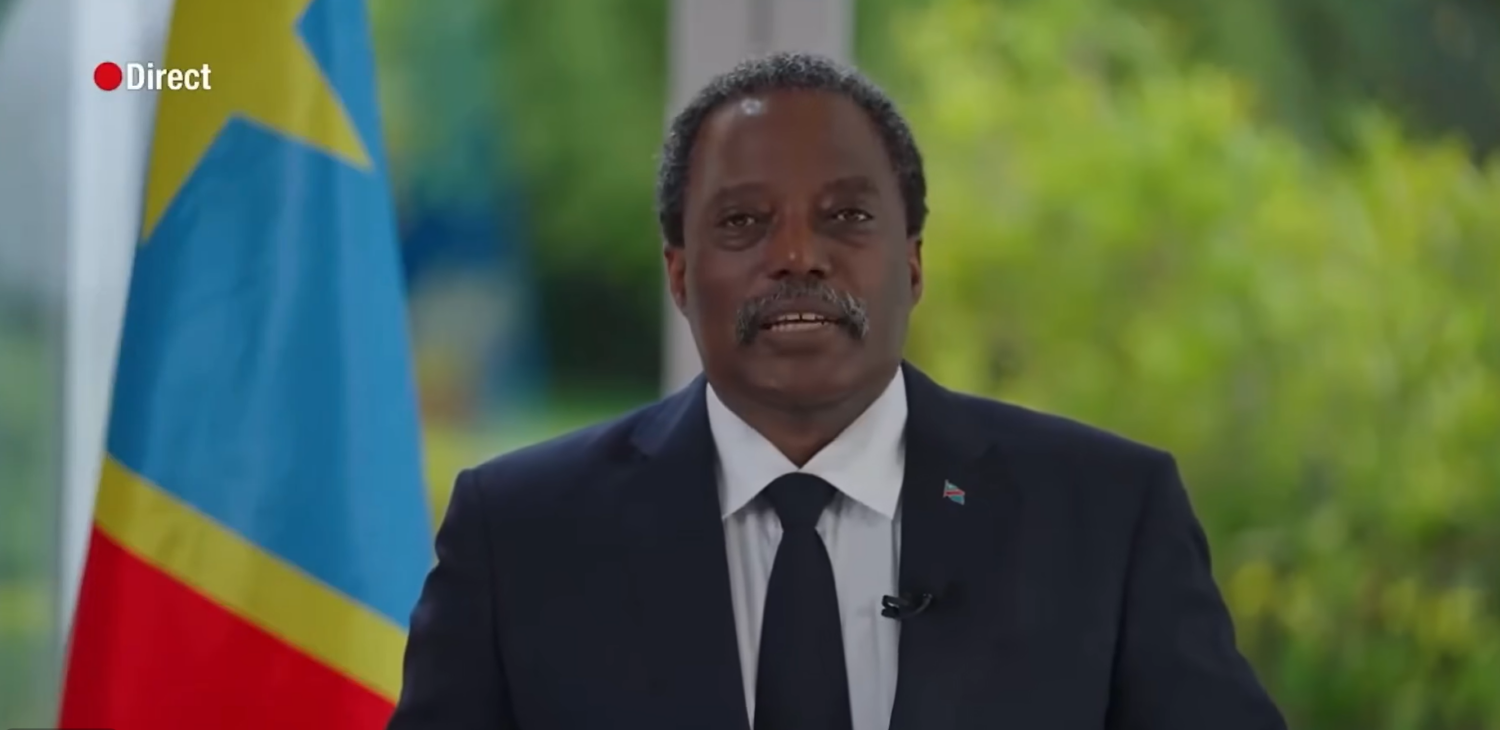
In a dramatic turn of events, Joseph Kabila, former President of the Democratic Republic of Congo (DRC), has officially taken command of the Front for the Refoundation of the Nation (FRN) on October 12, 2026. This bold move positions him at the helm of a coalition that merges the M23 rebel group with the former Congo River Alliance, providing political cover for a rebellion backed by Rwanda. The strategy appears calculated to evade international scrutiny of Rwanda’s proxy forces while risking a full-blown civil war in a nation already plagued by resource exploitation and instability.
From rebellion to presidency: the Kabila legacy
The Kabila dynasty’s roots trace back to 1996, when Laurent-Désiré Kabila, Joseph’s father, led the Alliance of Democratic Forces for the Liberation of Congo (AFDL), a Rwandan-backed rebellion that toppled Mobutu Sese Seko. After seizing power in 1997, Laurent-Désiré soon clashed with his Rwandan patrons, igniting the Second Congo War before his assassination in 2001. His son, Joseph Kabila, ascended to the presidency at just 29, navigating decades of fragile peace amid regional ambitions and domestic militias.
Now, by aligning with the very proxies he once fought—particularly the M23, historically seen as Rwanda’s armed wing—Kabila seeks to elevate a local insurgency into a national political movement. The move marks a decisive shift, transforming a conflict once confined to eastern Congo into a broader struggle for national power.
The FRN’s rise: legitimacy for a rebel coalition
The M23, long dismissed as a Tutsi militant group or Rwanda’s puppet force, gains unprecedented political weight through Kabila’s leadership. Observers note that his stature as a former head of state lends the rebellion an air of legitimacy, uniting disparate factions under a single banner. Analysts argue this consolidation could intensify pressure on Kinshasa, where President Félix Tshisekedi faces an emboldened opposition.
Geopolitical analysts highlight the FRN’s role as a façade for Rwanda’s strategic interests. The alliance underscores a deeper collusion: a predatory system where external actors exploit Congo’s vast mineral wealth while local populations bear the cost. The conflict, masked as a national crusade, conceals a darker reality—one of institutionalized corruption and foreign-backed exploitation.
Congo’s fragile giant: wealth trapped in chaos
The DRC, Africa’s second-largest country by landmass, sits atop a treasure trove of critical minerals—cobalt, coltan, gold, and copper—that fuel global technology and energy sectors. Yet its eastern provinces, including the Kivu and Ituri regions, remain locked in perpetual violence, enabling illegal mining and smuggling networks.
Rwanda, despite its minuscule size, has long benefited from Congo’s instability, profiting from the unchecked flow of minerals. Critics argue this dynamic is no accident; the chaos sustains a lucrative trade, with multinational corporations and neighboring states complicit in the pillage. As one analyst notes, the system thrives on paradox: while Western governments condemn the violence, their industries continue sourcing minerals through intermediaries tied to armed groups.
Humanitarian toll: the heaviest burden falls on civilians
With nearly 150 armed factions—including criminal gangs and jihadist elements like the ADF-Nalu—operating in eastern Congo, the civilian cost is catastrophic. Decades of conflict have turned the region into one of the world’s most dangerous zones for sexual violence and mass killings. The FRN’s escalation risks deepening this tragedy, as Kabila’s gamble could plunge the DRC into another cycle of bloodshed.
By lending his name to the rebellion, Kabila assumes responsibility for a looming crisis. The question remains: will his strategy fuel a breakthrough for the FRN—or accelerate Congo’s descent into deeper chaos?


 Mariama Hamani