Mariama Hamani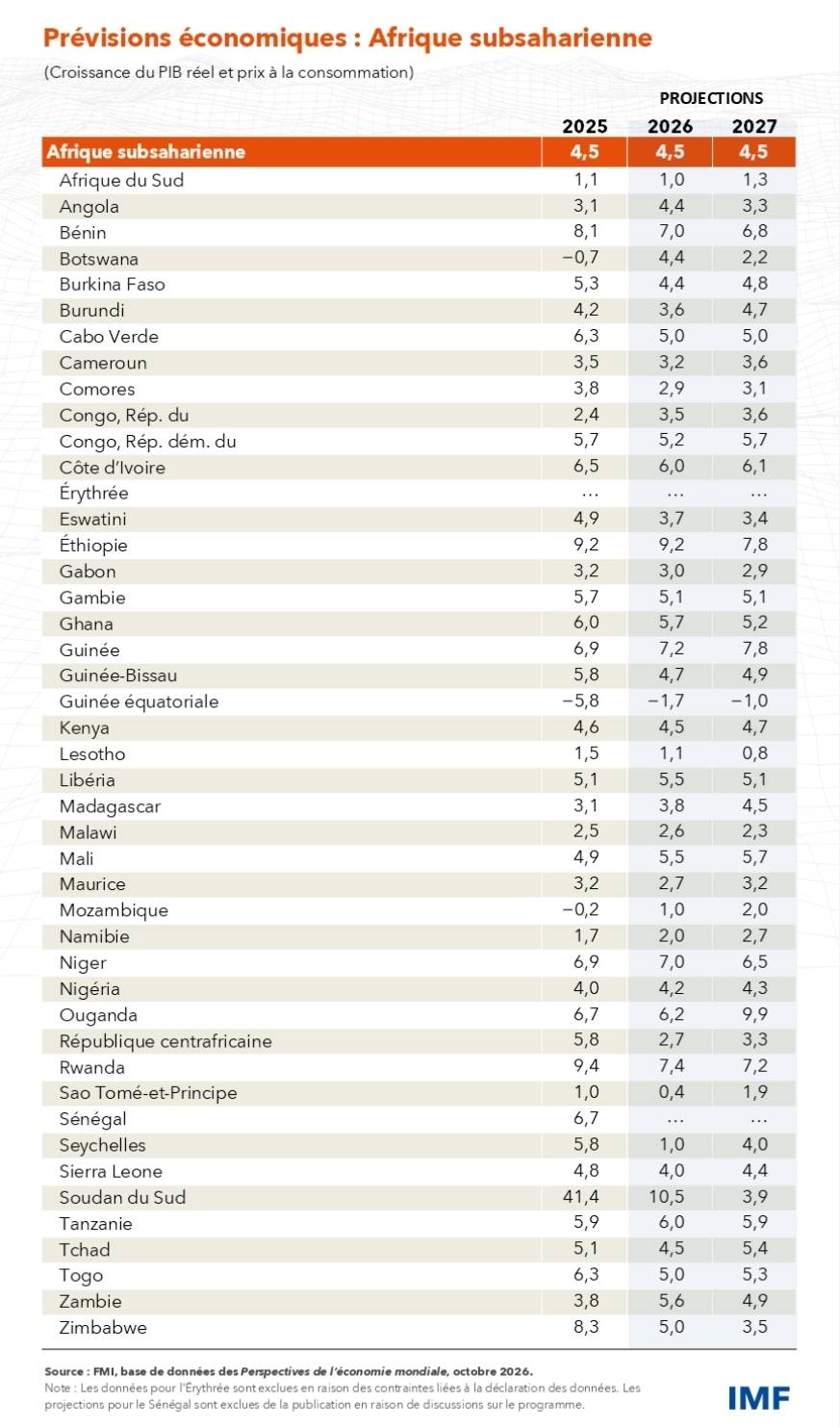
The West African nation of Benin is experiencing a remarkable economic transformation, with growth forecasts of 7% in 2026 and 6.8% in 2027 positioning it as a regional leader. This sustained momentum sets the country apart in a continent where average growth hovers around 4.5%, signaling a decisive turning point for both policy makers and investors.
From regional underdog to continental standout
Benin’s economic trajectory has defied expectations, with real GDP growth reaching 8.1% in 2025 before stabilizing at 7% and 6.8% in the following years. These figures place the country among Sub-Saharan Africa’s top performers and make it the only West African nation to crack the IMF’s top three growth projections for the continent.
The data underscores more than just statistical success it reflects a deliberate strategy combining policy continuity, targeted investment, and productive sector modernization. In an era of global economic uncertainty, Benin’s ability to maintain such high growth rates demonstrates resilience and vision.
Narrowing the continental gap with sustained velocity
When compared to Sub-Saharan Africa’s projected 4.5% growth for 2026 and 2027, Benin’s 7% and 6.8% figures highlight a widening performance gap. This advantage is not merely academic: it signals stronger attractiveness for foreign direct investment, improved access to capital, and accelerated infrastructure development.
For neighboring countries grappling with sluggish or uneven growth, Benin’s trajectory offers a compelling case study not as a one-size-fits-all blueprint, but as evidence of what targeted economic reforms and sector diversification can achieve.
Measuring success beyond the numbers
While impressive, GDP growth alone does not guarantee broad-based prosperity. The true test lies in translating macroeconomic gains into tangible improvements in households, especially for youth and vulnerable populations. Decent job creation, rising real incomes, controlled inflation, and reduced inequality must accompany growth if it is to be sustainable and inclusive.
Benin’s next challenge is ensuring its economic momentum fosters structural transformation. This includes deepening industrialization, expanding vocational training, strengthening small and medium-sized enterprises, and widening access to quality public services.
A new standard for West African economic leadership
By securing a top-three ranking in Sub-Saharan Africa’s growth outlook, Benin has earned regional credibility and global attention. This recognition strengthens investor confidence and positions the country as a partner of choice in West Africa.
Yet leadership in rankings is not the ultimate goal. Lasting impact will be measured by Benin’s ability to weather external shocks, maintain policy discipline, and ensure that growth translates into measurable social progress particularly in reducing poverty and boosting household purchasing power.
Key priorities on the path forward
Diversifying economic drivers beyond traditional sectors
Enhancing workforce skills through targeted vocational programs
Accelerating private sector development and industrialization
Strengthening social safety nets and inclusive service delivery
Conclusion: Africa’s newest growth champion
Benin’s sustained high-growth trajectory has reshaped its regional identity. From laggard to leader, the country now stands as a beacon for others seeking to unlock economic potential through smart policy and persistent reform. The real measure of success will be how well its people especially the next generation benefit from this extraordinary economic momentum.
By Mariama Hamani — Journalist


 Boureima Amadou