Boureima Amadou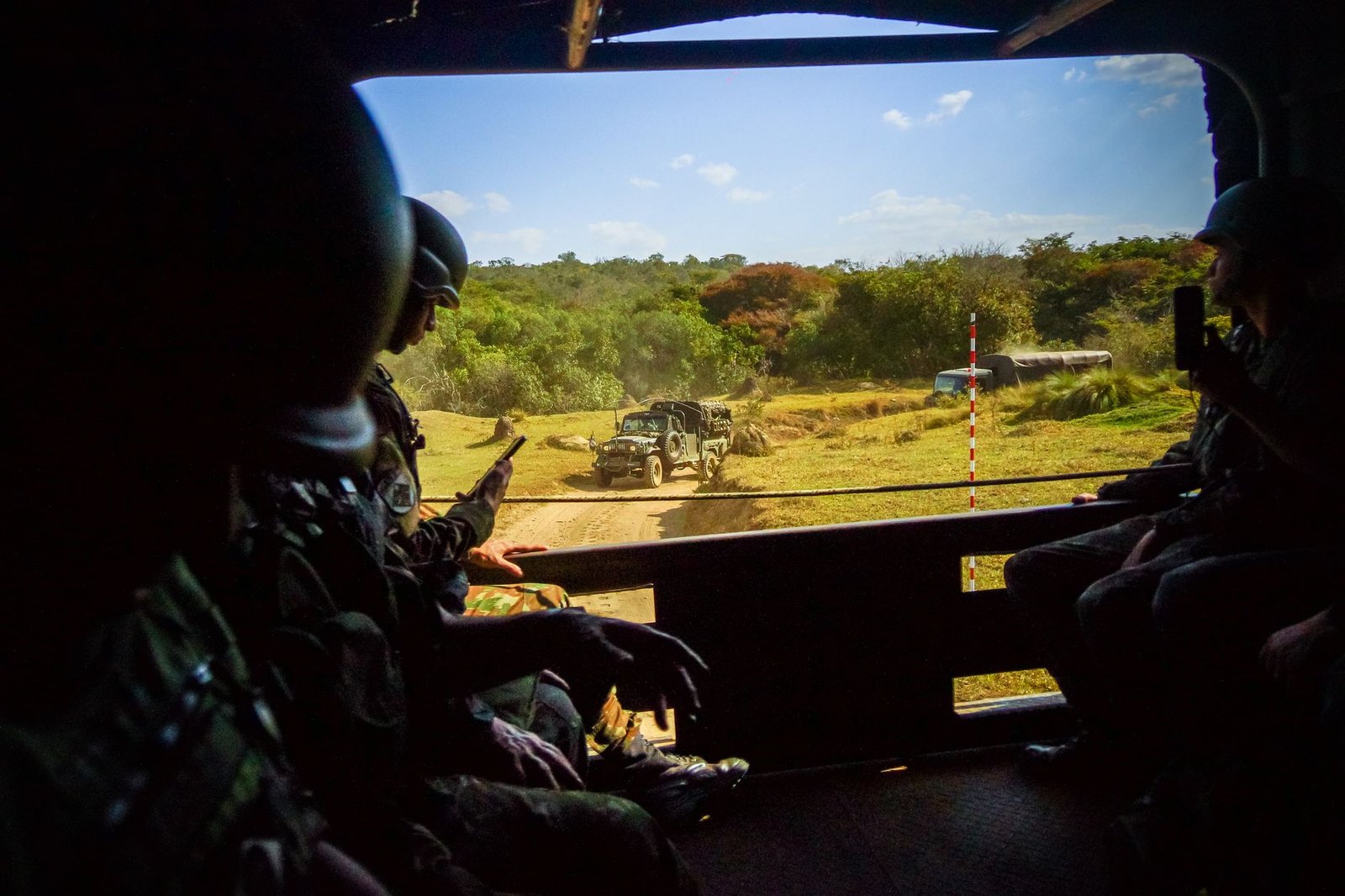
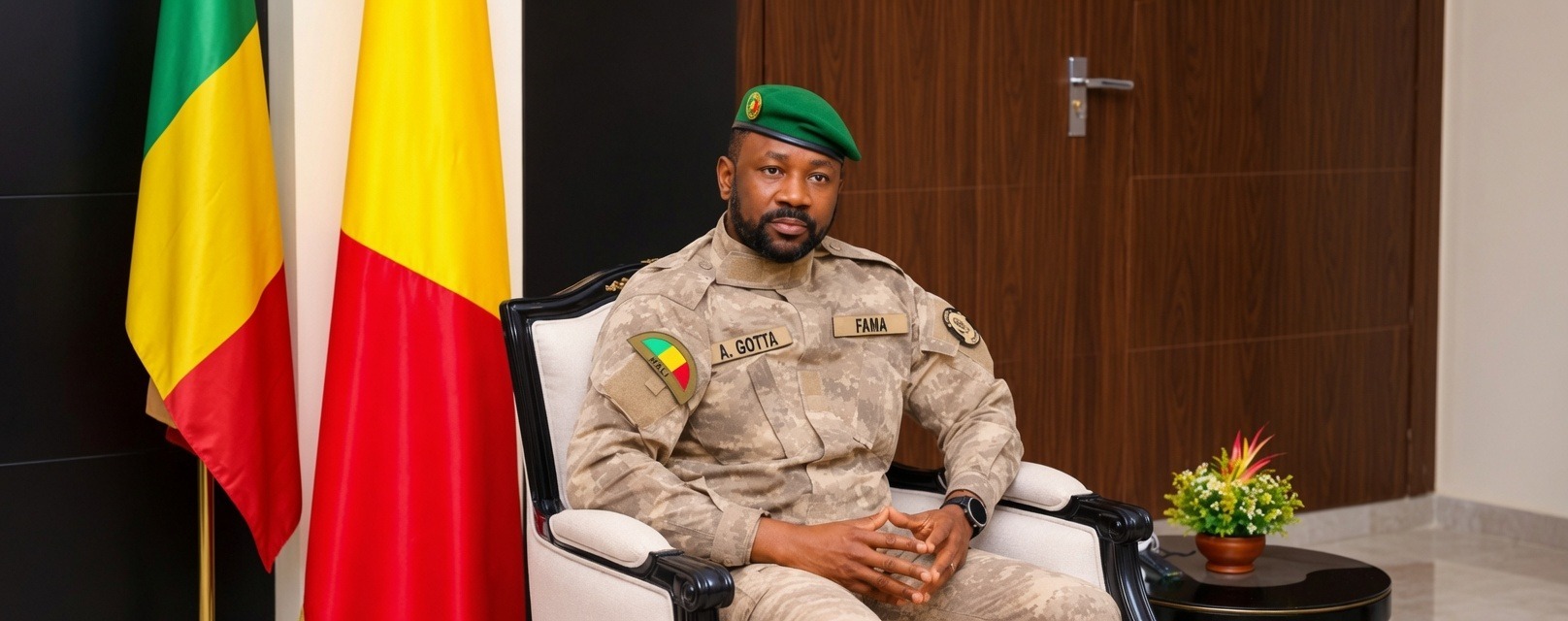
The Malian authorities have escalated their territorial control strategy by designating 40 forests as off-limits to civilians. This bold move, enacted through a ministerial decree published on June 5, 2026, establishes military zones of interest aimed at dismantling jihadist strongholds linked to the Islamic State in the Sahel and the Jama’at Nusrat al-Islam wal-Muslimin (JNIM). The decision places these forested areas under the exclusive control of the Malian Armed Forces (FAMa), effectively barring any civilian presence.
Strategic mapping reshapes land use and security
The decree meticulously identifies the affected forest massifs, scattered across central and southern Mali. These regions, historically exploited as hideouts by armed factions, now fall under a strict security framework. By restricting access, Bamako seeks to sever the logistical networks of militant groups, enabling unobstructed aerial operations without civilian interference. The forest’s dual role—supporting subsistence economies and insurgent activities—has long blurred the line between survival and conflict. Villagers harvest firewood, medicinal plants, and game, while herders graze livestock; now, these activities face severe restrictions under military oversight.
The new legal framework empowers the FAMa to conduct sweeping operations without prior notice, penalizing any unauthorized entry. This policy aligns with the junta’s uncompromising stance since the 2020-2021 coups, which severed ties with French military presence and pivoted toward Russian partnerships for security restructuring.
Military gains come at a humanitarian cost
The success of this approach hinges on the FAMa’s ability to sustain control over these vast forested territories. Since the withdrawal of the United Nations Multidimensional Integrated Stabilization Mission in Mali (MINUSMA) in 2023, aerial strikes and heliborne raids have become central to counterinsurgency efforts. Bamako’s move also signals a shift toward regaining control over expanding insecurity, now creeping closer to urban centers like Bamako and Kayes.
Yet, the humanitarian fallout could be severe. Tens of thousands of rural communities depend on these forests for income, fueling concerns over livelihoods disrupted by droughts, food inflation, and closed border markets. Neighboring Burkina Faso’s experience with similar military zones, introduced in 2023, underscores the risk of mass internal displacement as militarized zones expand.
Regional trend: militarizing the Sahel’s peripheries
Mali’s initiative reflects a broader Sahelian trend. Burkina Faso and Niger, fellow members of the Alliance of Sahel States (AES), have increasingly adopted territorial exceptionalism since 2024. This shared doctrine prioritizes physical control of marginalized regions, often at the expense of customary land rights. While intended to curb insurgency, such policies raise questions about governance and human rights, particularly as documented abuses in militarized zones mount.
International partners, including regional neighbors and remaining donors, are closely monitoring the junta’s balancing act between operational effectiveness and civilian welfare. Economically, the restrictions may also disrupt artisanal mining and gold concessions near targeted forests, though the government has yet to outline compensation or resettlement plans for affected populations.


 Mariama Hamani