Boureima Amadou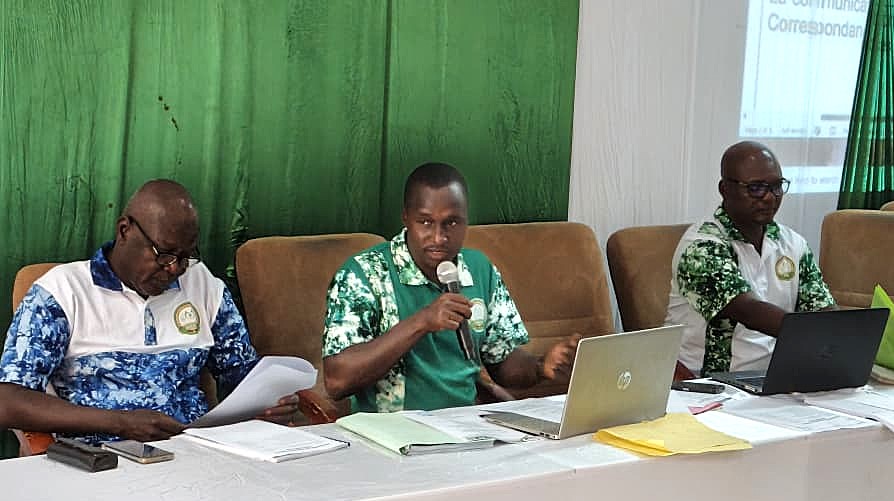
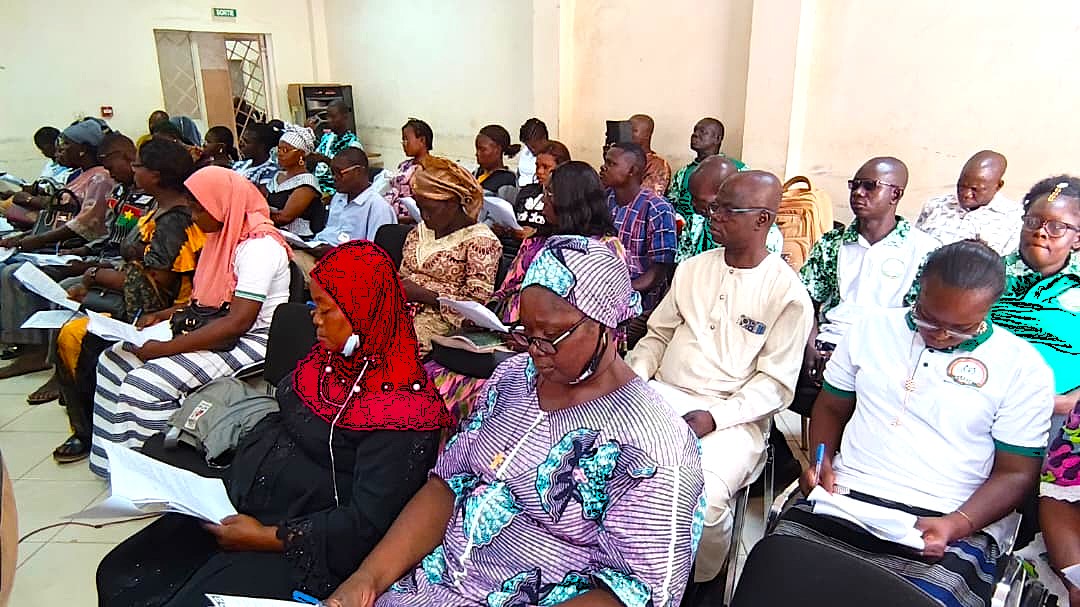
Members of the Union of Managers and Cashiers of Public Pharmacy Depots in Burkina Faso gathered in Ouagadougou on Saturday, 6 June 2026, for their sixth general assembly. They once again called on authorities to address their working conditions. At the core of their demands is the creation of an official status for a profession they consider vital to the health system.
Under the theme “Resilience of volunteers serving the people,” the assembly allowed participants to voice growing concern over a situation they describe as increasingly alarming.

Ousmane Bolly, president of the Union of Managers and Cashiers of Public Pharmacy Depots in Burkina Faso, noted that many managers have worked for decades without a clearly defined professional framework. “The people you see here have been working for 20 or 30 years, but some do not even earn the minimum wage,” he lamented.
The organisation claims to represent over 3,000 managers across the country’s health districts.
Lack of status at the heart of difficulties
Union leaders say the main issue is the absence of a regulatory text defining the profession of public pharmacy depot manager or cashier. This situation leaves workers highly vulnerable, exposing them to what they call unfair dismissals when they push for better conditions.
According to Ousmane Bolly, some employees fear publicly revealing their union membership due to possible professional retaliation.
Inadequate salaries
Participants also condemned the low pay these workers receive. With monthly incomes often ranging between 20,000 and 25,000 FCFA, they say they can no longer cope with the rising cost of living.
Yet, they point out, pharmacy depot managers handle medicine distribution daily and welcome patients at health facilities, many of which are under heavy pressure.
Years of advocacy
The union says it has taken numerous steps since 2020 to seek improvements.
- Meetings with ministries of Health and Public Service
- Audiences with the Presidency of Faso
- Participation in several workshops on the management of pharmaceutical facilities
Despite these efforts, union leaders regret the lack of concrete progress. They say they have completed a full census of their members and submitted the data to the relevant authorities to help set up a regularisation framework.
The union now calls for stronger state involvement in upgrading this profession, arguing that the revenue generated by pharmacy depots alone cannot sustain lasting improvements in working conditions.
Closing the general assembly, Ousmane Bolly praised participants’ mobilisation and urged authorities to respond quickly to their concerns.

 Mariama Hamani