
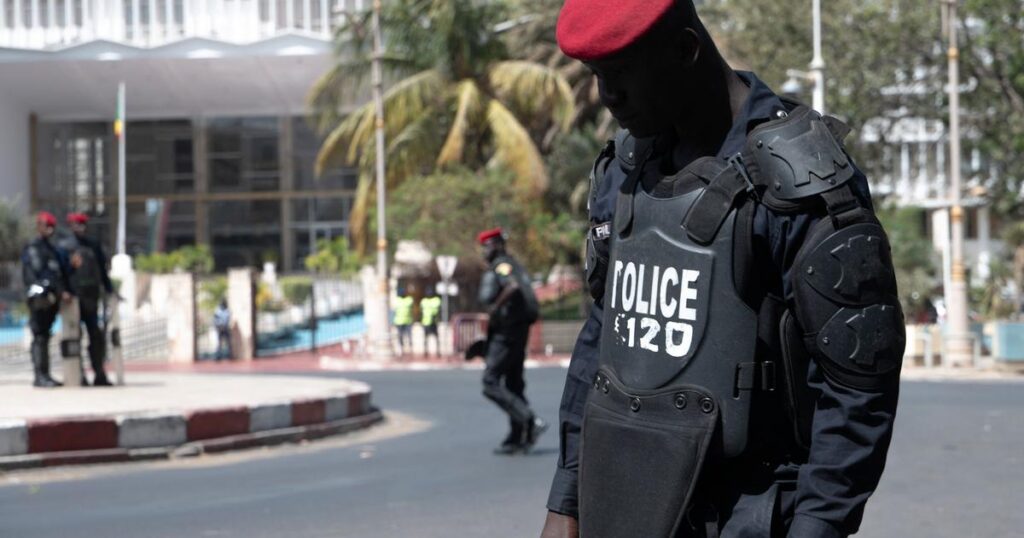
“That night will haunt Amadou Bangoura forever.” The 30-year-old Beninese student recalls the evening he was stopped by police near Dakar’s Liberté 6 district. It was just past 10 p.m. when two officers ordered him to present his documents. The streets were nearly empty, shops long closed, and only the occasional headlights pierced the darkness. Though his residency permit was valid, the encounter left him shaken.
widespread foreigner checks spark backlash
Between June 30 and July 8, authorities conducted 490 identity checks targeting mainly West African nationals in Dakar and its outskirts. Officials claim the campaign aims to “strengthen public safety,” but critics argue the measures disproportionately target foreigners, including those in legal status. Thirty-six individuals were ultimately referred to prosecutors for irregular stay violations.
Bangoura’s experience reflects a growing unease among long-term residents. “I kept wondering what might happen next,” he admits. The crackdowns have tarnished Senegal’s reputation for Teranga—the Wolof word for hospitality—that has long defined its national identity.
civil society denounces arbitrary measures
Human rights groups warn that the operations normalize a culture of suspicion toward foreigners. In a July 13 statement, activists condemned “arbitrary arrests, excessive administrative demands, and prolonged detentions.” They also highlighted rising online hostility, particularly on TikTok, where Guinean migrants—who make up over 40% of Senegal’s foreign residents—are falsely accused of stealing jobs from locals. The rhetoric echoes recent xenophobic trends seen in South Africa.
The timing of these checks is particularly sensitive: Senegal recently assumed the presidency of the Economic Community of West African States (ECOWAS). While authorities insist the measures are routine, the scale and timing have fueled skepticism about their true motives.


More Stories
Mystery unfolds at Bamako coup trial as fetish healer disrupts court