Boureima Amadou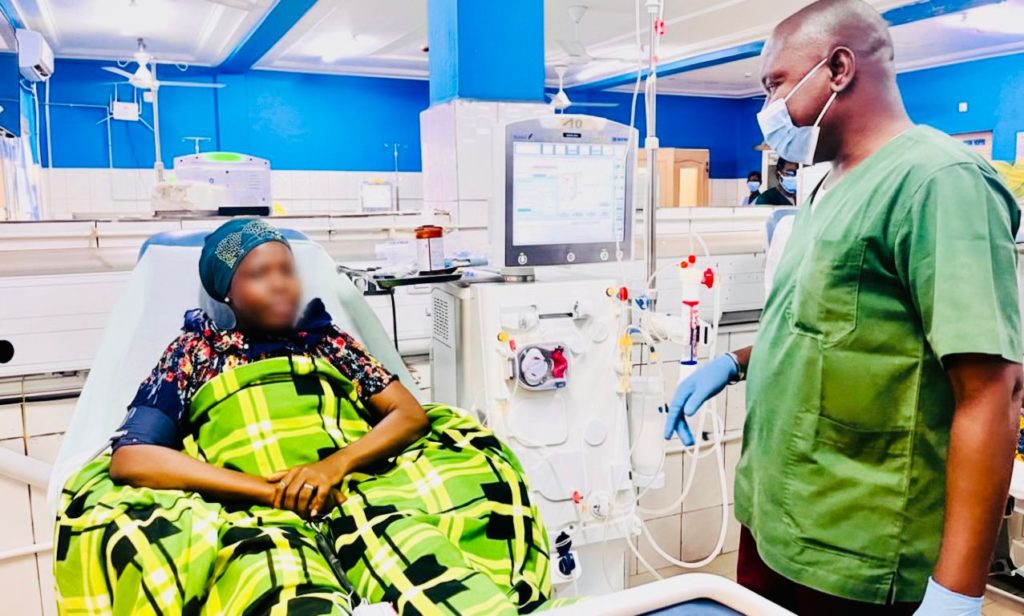
For decades, obtaining medical treatment was an impossible hurdle for thousands of citizens in Burkina Faso. A massive financial wall stood between patients and the care they needed. This changed on March 13, 2024, when the government intervened to lower the costs of essential medical tests and abolish the mandatory deposit for dialysis in public hospitals. We explored the impact of these changes on the ground.
In the crowded corridors of national hospitals, the tension of medical emergencies is palpable. Previously, healthcare felt like a luxury reserved for the wealthy rather than a basic human right. High deposits and expensive diagnostic tests often meant the difference between life and death.
At the busy Centre hospitalier universitaire de Bogodogo, Madi Diallo shares a heartbreaking memory while waiting near the counters. His story reflects a tragedy that could have been avoided.
“Three years ago, my sister needed urgent dialysis. We were asked for a 500,000 F CFA deposit that we simply didn’t have. She passed away because of it,” he says quietly. Today, that financial requirement is gone. “It is a fair decision, though for us, it came too late.“
This personal loss mirrors the reality faced by many families across Burkina Faso for years. Vital medical access was strictly tied to one’s bank account, creating a lethal barrier for the poor.
Related news 👉👉 Burkina Faso: Government confirms major price cuts for scanners, MRI, and dialysis
To address this inequality, the authorities in Burkina Faso launched a reform to make healthcare more affordable. Since mid-March 2024, prices for several key medical examinations have been significantly reduced in all public health facilities, providing immediate relief to the population.
The details of this initiative were outlined by the Minister of Health, Dr Robert Lucien Jean Claude Kargougou. The new pricing structure represents a drastic shift in public health policy.
“A scanner that used to cost 50,000 FCFA is now 25,000 FCFA. MRI costs have dropped from 100,000 to 40,000 FCFA. Most importantly, the 500,000 FCFA deposit for dialysis has been completely eliminated,” the Minister announced.
This policy aims to remove the financial obstacles that prevented the most vulnerable citizens from accessing specialized diagnostics and life-saving treatments.
Healthcare in Burkina Faso: CHU Bogodogo implements lower costs for patients — watch the video below 👇👇
These are not just empty promises; the price drops are visible in daily operations. Visits to various public health centers confirm that the reform is fully active.
On July 22, 2025, at the Centre hospitalier universitaire de Bogodogo, the morning rush is intense. Patients line up at the payment windows, their faces showing a mix of anxiety and hope as they navigate the busy facility.
“The MRI fee is now set at 40,000 FCFA”
At Bogodogo, the lower rates are a reality for everyone. Dame Ouédraogo, formerly Nikiéma Élodie, who came for a pelvic MRI, shared her experience.
“The price is now very manageable. I paid 40,000 FCFA including supplies, whereas it can cost over 150,000 FCFA in other places,” she says with a look of relief.
Saving over 100,000 FCFA is a significant boost for her family budget, allowing her to keep up with other social and financial obligations.
Seydou Nombré, the Director General of CHU Bogodogo, confirms the new rules are in place. “The MRI is indeed 40,000 FCFA, and the 500,000 FCFA deposit has been removed. Patients no longer need to provide an advance. For emergency dialysis, the cost is now just 2,500 FCFA,” he explains.
A major shift for residents in the Oubritenga region
The report continues in Ziniaré to see if the measures apply outside the capital. At the Centre hospitalier régional de Ziniaré, the findings are identical. Price reductions are being applied consistently.
Furthermore, the lower costs are accompanied by better local service. Previous equipment shortages that hampered the center are being resolved.
Patients can now get all necessary tests done locally at the new rates, avoiding the expensive and long journey to Ouagadougou. This is a game-changer for regional healthcare.
Mady Zorné, the Director General of CHR Ziniaré, notes that the impact is more than just financial. “Since we implemented these rates, medical transfers to the capital have dropped significantly,” he states.
He adds that doctors can now make faster, more accurate diagnoses because imaging is finally affordable, which improves the entire care chain.
While these results are positive, challenges remain. To see the full scale of the reform, we visited the nation’s largest hospital.
“The 500,000 FCFA deposit required to start treatment has been abolished”
On July 23, 2025, we visited the Centre hospitalier universitaire Yalgado Ouédraogo (CHU-YO), a massive medical complex in the heart of Ouagadougou.
The facility is under constant pressure from a never-ending stream of patients. Medical staff work tirelessly around the clock to manage the high volume of emergencies and consultations.
As the primary hospital in the country, CHU-YO is the ultimate testing ground for these price reductions, facing massive demand every single day.
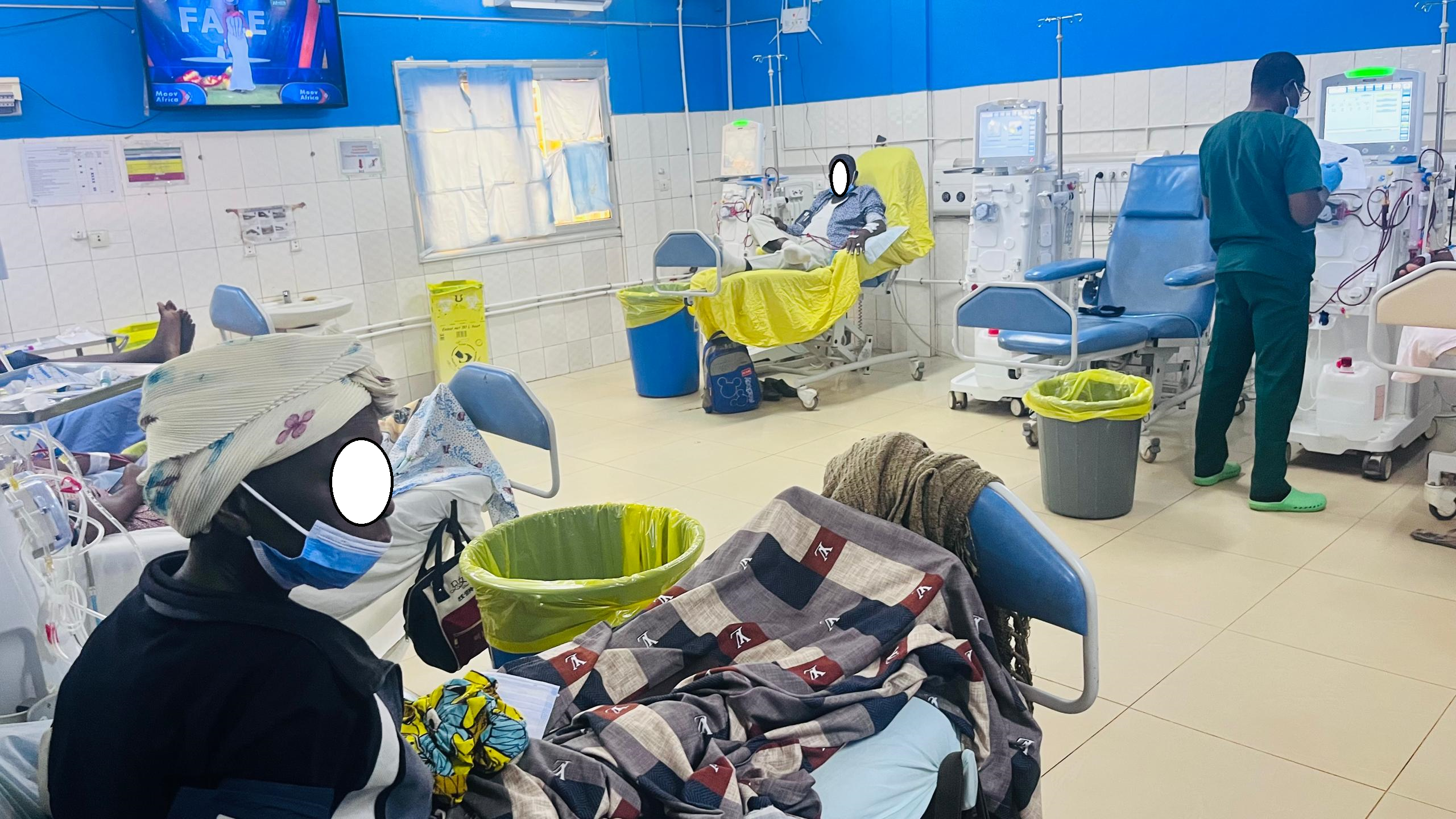
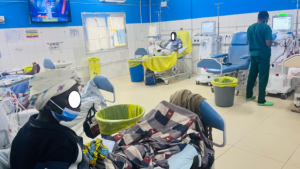
In the dialysis unit, the scale of the struggle is clear. Nearly 100 patients are treated daily using 34 machines, requiring a strictly timed schedule.
“We run three shifts from 6 AM to 10 PM, with life-threatening emergencies handled outside those hours,” explains Tuina Nsoma Hélène, the unit’s head nurse, highlighting the staff’s dedication.
She confirms the major shift in access: “The 500,000 FCFA deposit is no longer required to start care.” This has opened doors for many who were previously excluded from treatment.
However, the logistical bottleneck is real. There aren’t enough machines for everyone. “Often, a spot only opens up when a patient passes away,” Tuina Nsoma Hélène admits with somber realism.
Read also 👉👉 Burkina Faso: Lower costs for medical imaging and generic drugs are showing results
Despite these limits, 16 new patients have been able to start dialysis since the reform without paying the massive deposit. For them, it is a second chance at life, even if the waiting list remains long.
The removal of the deposit is a victory, but chronic patients still face high costs for additional tests and medications.
The head nurse hopes the state will eventually reduce these secondary costs as well. “Every month is a financial struggle for these patients. We hope the government will address these remaining burdens,” she urges.
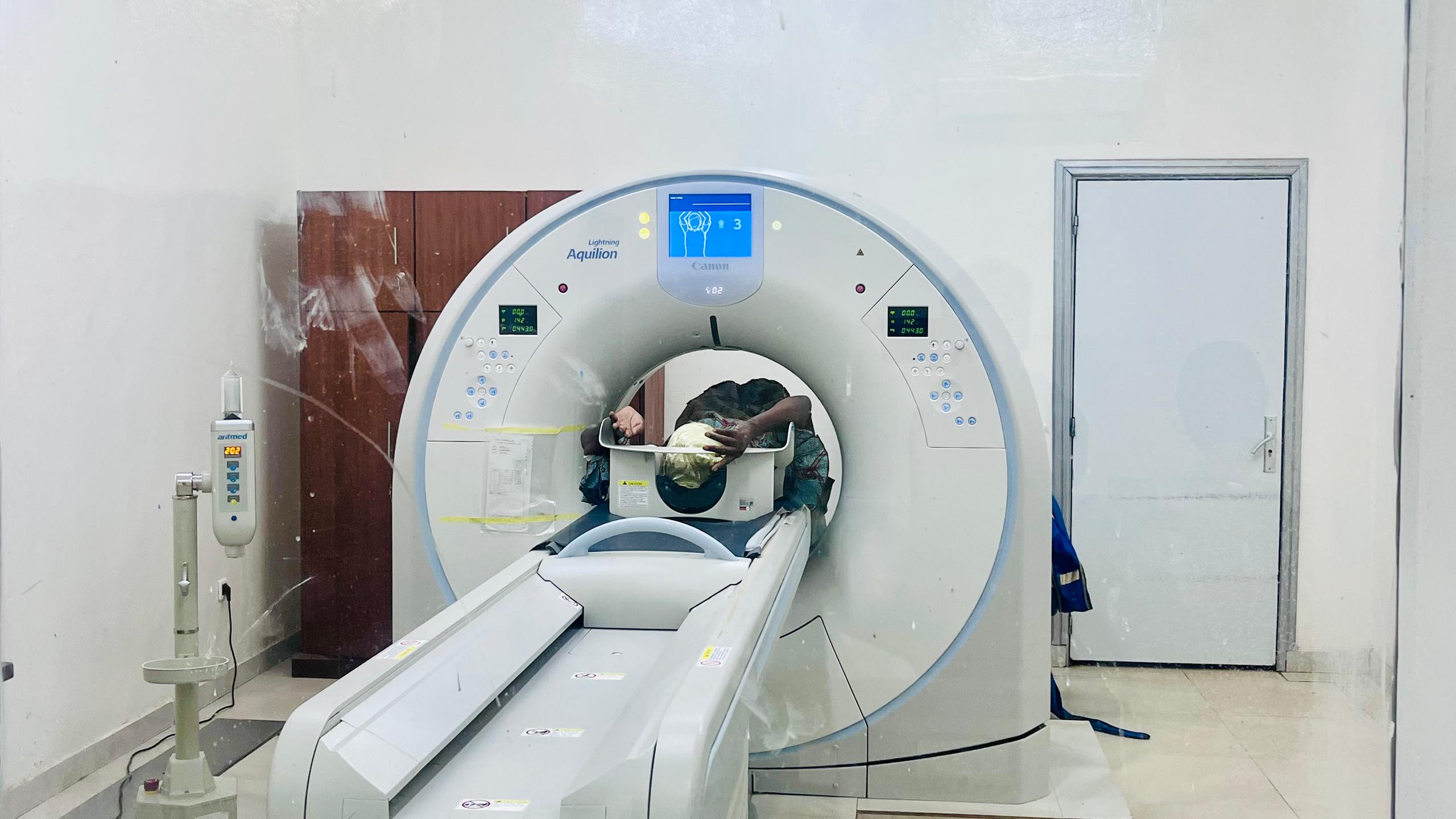
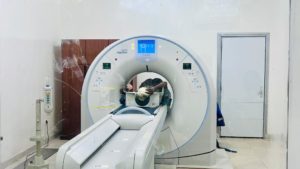
In the radiology department, the number of patients has hit record levels. Professor Nina Astrid Ouédraogo, head of the Imaging Department at CHU-YO, has observed a significant surge in activity.
One year after the policy change, the number of scanners performed has jumped by 38%, proving how much the population needed these price cuts.
“This is a massive weight off our shoulders”
Our journey took us to Bobo-Dioulasso, the economic hub of Burkina Faso. On July 24, 2025, we visited the Centre hospitalier universitaire Sourou Sanou (CHUSS).
As the largest hospital in the city, it serves people from the entire Guiriko region and beyond. It is a perfect place to see how the price drops affect the average citizen.
We met Élie Ouattara, who was carrying medical supplies. He was smiling, clearly relieved by the lower prices.
“I came to buy some supplies, and the prices are truly affordable now. It makes a huge difference for us,” he says.
The benefits extend beyond expensive scans to everyday medical needs, improving the hospital experience for both patients and their families.
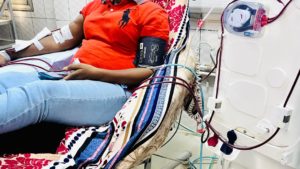
In the dialysis ward at CHUSS, the atmosphere is quiet and heavy with anticipation. Patients remain still for hours, connected to the rhythmic hum of life-saving machines.
To pass the time, many use headphones or phones to distract themselves from the anxiety of their condition.
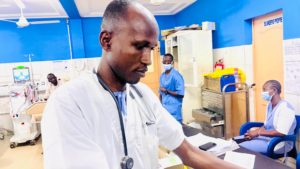
Dr. Hamidou Sawadogo, a nephrologist at CHUSS, confirms the new measures are being applied. However, he notes that of the 125 chronic patients they follow, most were already in the system. Only 17 new patients have been added since the deposit was removed.
“Many acute cases still can’t get treatment because we simply lack space,” Dr. Sawadogo admits. He advocates for expanding the centers, hiring more staff, and buying more equipment to meet the growing need.
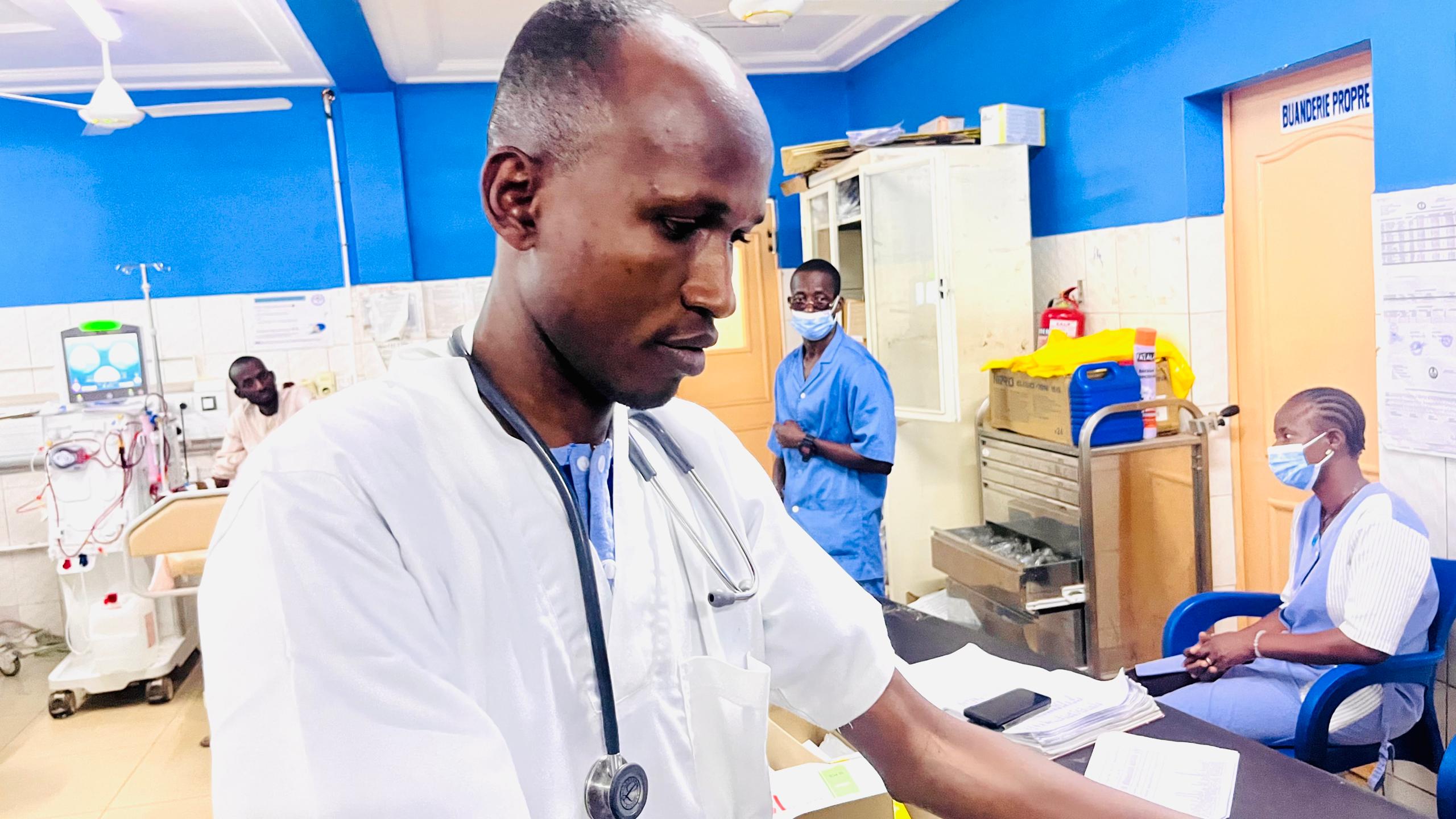
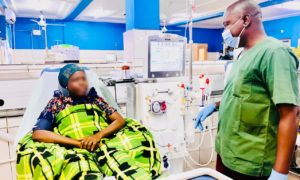
In the ward, Dame Sanou, born Traoré Salimata, watches the machines from her bed. Diagnosed with kidney failure in 2018, she had to wait two years to start treatment because her family couldn’t afford the 500,000 FCFA deposit at the time.
Seeing the deposit finally abolished, she praises the government. For her, this move restores dignity to those fighting chronic illnesses.
We also spoke with Youl Sié, who has been on dialysis since 2021 due to chronic hypertension. While he had already paid his deposit, he is happy for future patients.
Dame Sanou’s testimony on the abolition of the dialysis deposit in Burkina Faso — watch the video below 👇👇
Monsieur Sié calls for the decentralization of care. “We want centers in every community. It would be a huge relief if everyone could get treated in their own town,” he explains.
He highlights the social toll of traveling for care: “Being forced to move away from our families makes it hard to raise our children and keep our households together. Health is about family stability too.“
Progress is being made step by step. In Burkina Faso, the government’s efforts to ensure basic medical access are starting to pay off.
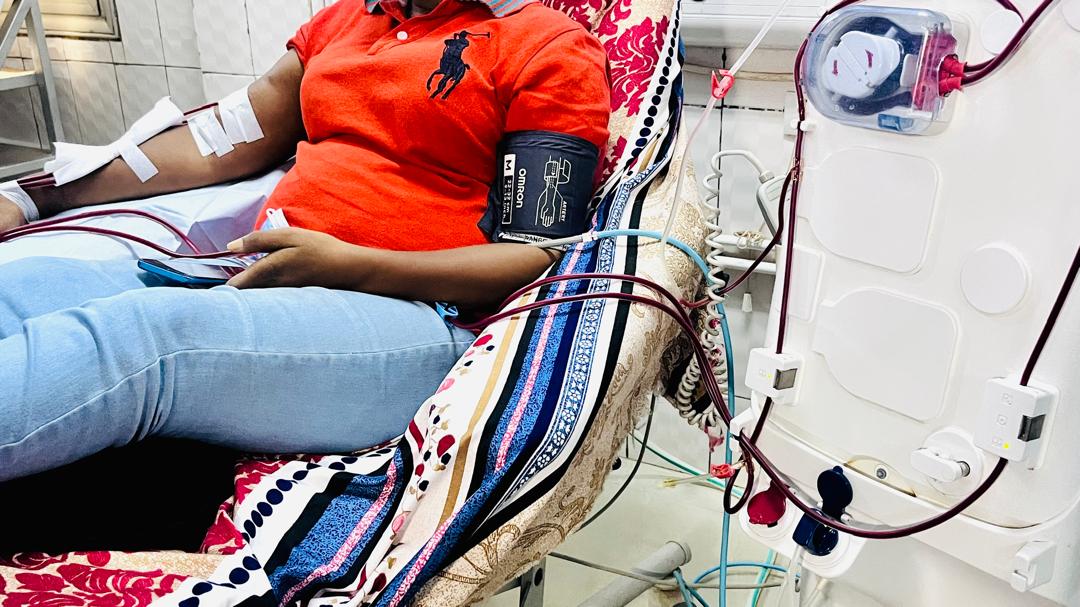
The reform hasn’t fixed everything. There is still a shortage of machines and long waiting lists. But for those who can now walk into a hospital without fearing the bill, the relief is undeniable.
In the land of honest men, health is transforming from a luxury into a right. It’s a journey toward a nation where healing is no longer a privilege.
To further this goal, Captain Ibrahim TRAORÉ recently inaugurated the Pala University Hospital and its radiotherapy center, with nine more high-standard hospitals planned for the future.
Photo Gallery 👇🏿👇🏿👇🏿



 Mariama Hamani