Mariama Hamani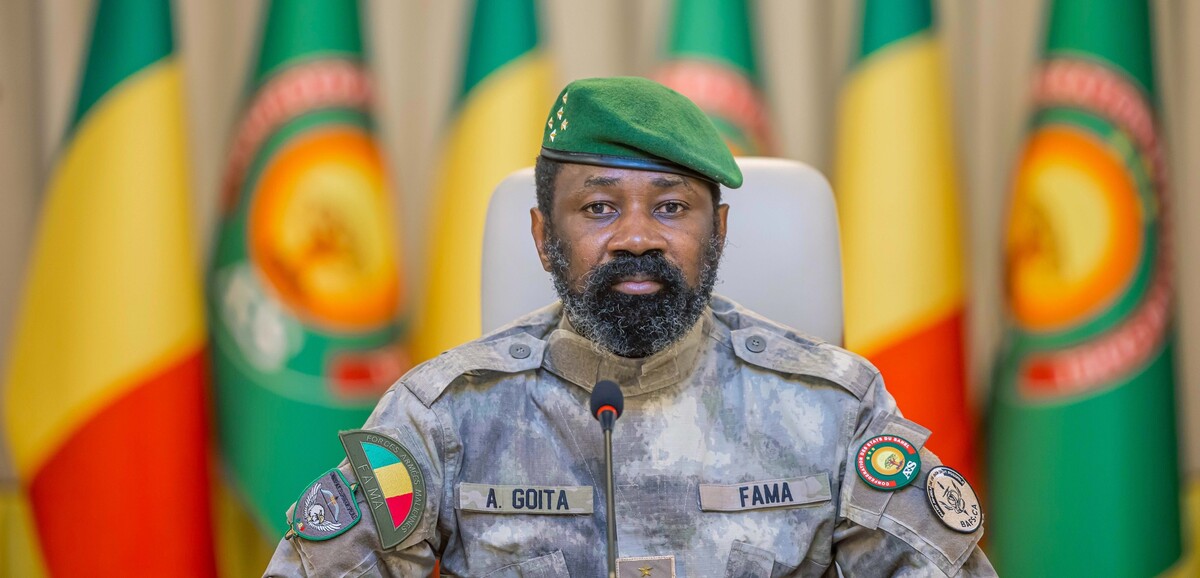
In a decisive move to bolster national security, Malian authorities have halted the movement of motorcycles with engine capacities of 125 cm³ and higher across most of the country. This sweeping directive, which also prohibits the import and sale of such vehicles, comes amidst a significant escalation in insecurity, characterized by relentless jihadist assaults and strategic road blockades impacting vital routes to the capital. This significant development in African current affairs underscores the government’s determination to restore stability.

A new inter-ministerial decree, publicly broadcast on national television this past Wednesday, formally establishes a nationwide prohibition on the operation of motorcycles measuring “125 cm3 and above”. This critical regulation excludes only the capital city and designated administrative hubs, as Mali grapples with an ongoing jihadist insurgency.
Motorcycles have long been identified as a primary mode of transport for jihadist factions operating within Mali, a nation currently experiencing an unparalleled security crisis that has intensified over recent weeks, with militants even imposing a blockade on Bamako. The inter-ministerial order, announced on Wednesday evening, explicitly states: “The movement of motorcycles with an engine capacity of 125 cm3 and above is suspended across the entire national territory, outside of major urban centers.”
Exemptions for key administrative centers and Bamako district
The directive clarifies that the “district of Bamako, along with regional, circle, and arrondissement capitals” are exempt from this restriction. Furthermore, authorities issued a separate statement confirming the suspension of “the import, transit, commercialization, sale, and gratuitous distribution of motorcycles with engine capacities of 125cm3 and above, as well as their associated accessories (…) throughout the national territory.”
Mali’s security landscape has become increasingly precarious following a series of large-scale, coordinated assaults on April 25 and 26. These attacks were orchestrated by jihadists affiliated with the Group for the Support of Islam and Muslims (JNIM), an Al-Qaeda ally, alongside the Touareg-dominated Azawad Liberation Front (FLA) rebellion.
Adding to the severe challenges, jihadist groups have maintained a substantial road blockade since April 30, affecting several critical arteries leading into the capital, Bamako.
- Mali
- sécurité

 Boureima Amadou