Mariama Hamani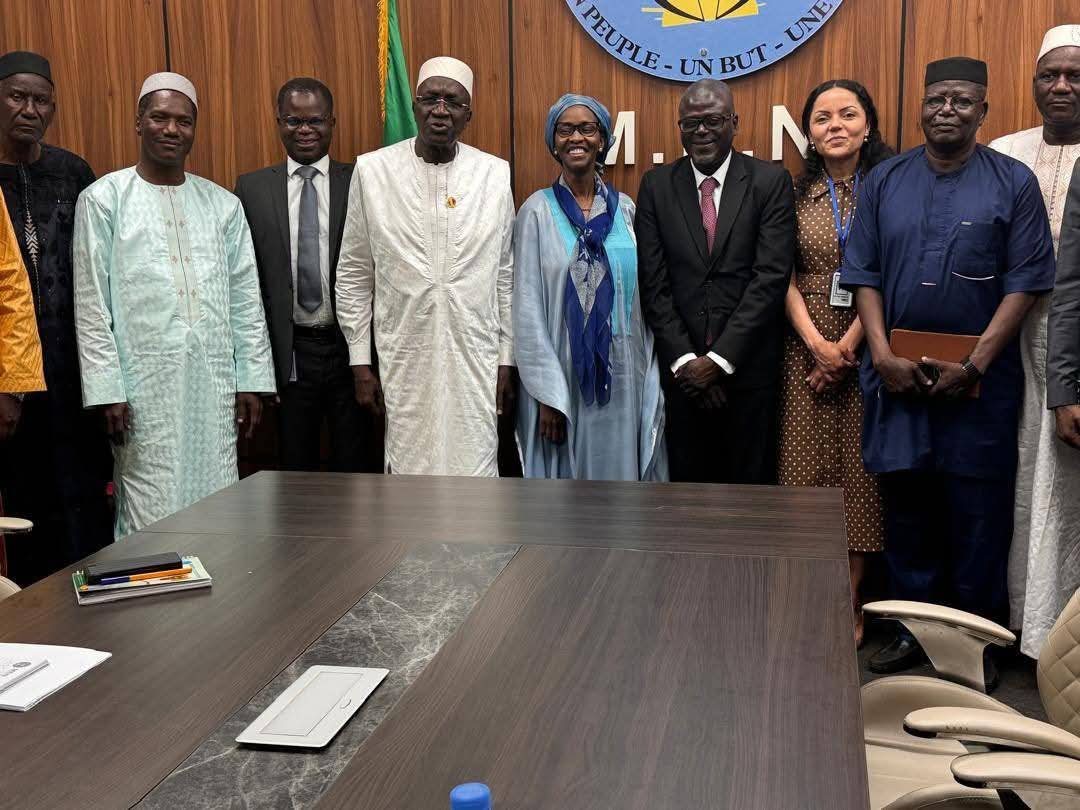
The authorities in Bamako and the World Bank are moving into a fresh phase of cooperation designed to bolster the Malian education system. This partnership comes at a critical time as the sector grapples with significant hurdles, including regional instability, internal displacement, and a shortage of essential resources.
On June 1, the Minister of National Education, Amadou Sy Savané, hosted a high-level delegation from the World Bank in Bamako, led by Awa Cissé Wagué. The discussions centered on upcoming initiatives aimed at enhancing human capital and driving better performance across the country’s educational framework.
This renewed momentum is part of a comprehensive development strategy backed by the international financial institution. Beyond schooling, this broader plan includes improving access to electricity and modernising the agricultural sector to ensure holistic growth for the nation, reflecting a broader trend in African governance focused on sustainable infrastructure.
Building on existing foundations
This latest initiative extends several programmes already under the World Bank’s umbrella. In March 2026, the institution solidified an allocation of $150 million through the International Development Association (IDA) to maintain vital health and education services. This funding is set to impact over one million students by facilitating school enrollment, supporting the administration of national examinations, and upgrading learning environments.
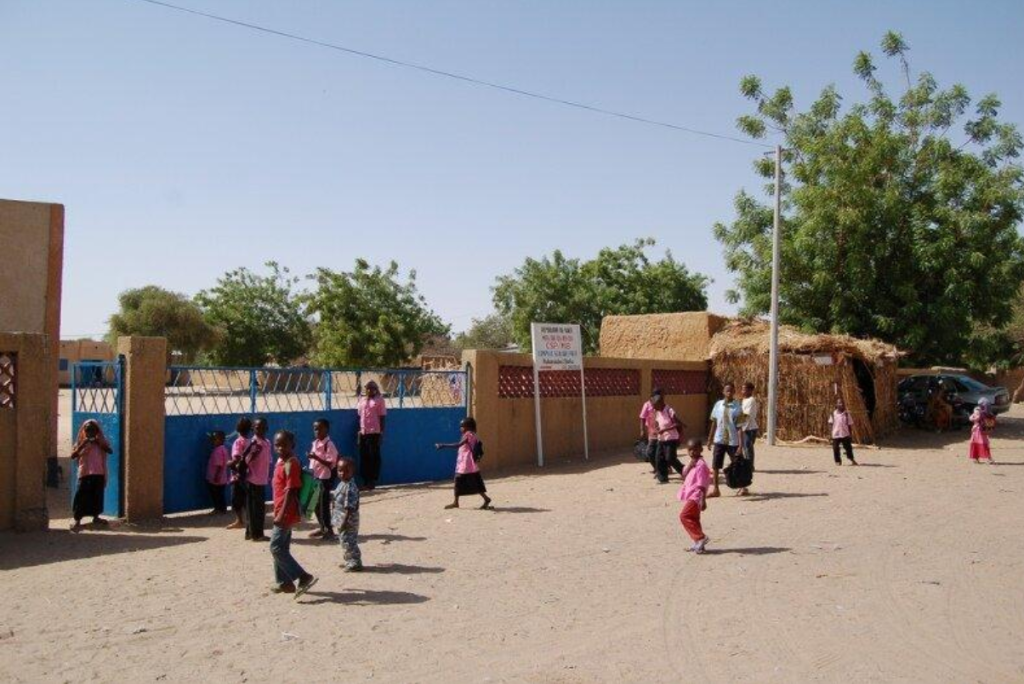
The educational landscape in Mali remains under pressure due to the security situation impacting various regions. Frequent school closures and the movement of families fleeing conflict continue to disrupt the academic calendar and affect overall student outcomes, a recurring theme in Africa breaking news regarding crisis-affected zones.
Moving forward, both parties are expected to finalise the specific details of these new projects, including funding structures and implementation timelines. For the government, this continued support is a vital tool in strengthening a sector that remains a cornerstone of the country’s long-term development goals and African current affairs.


 Boureima Amadou