Mariama Hamani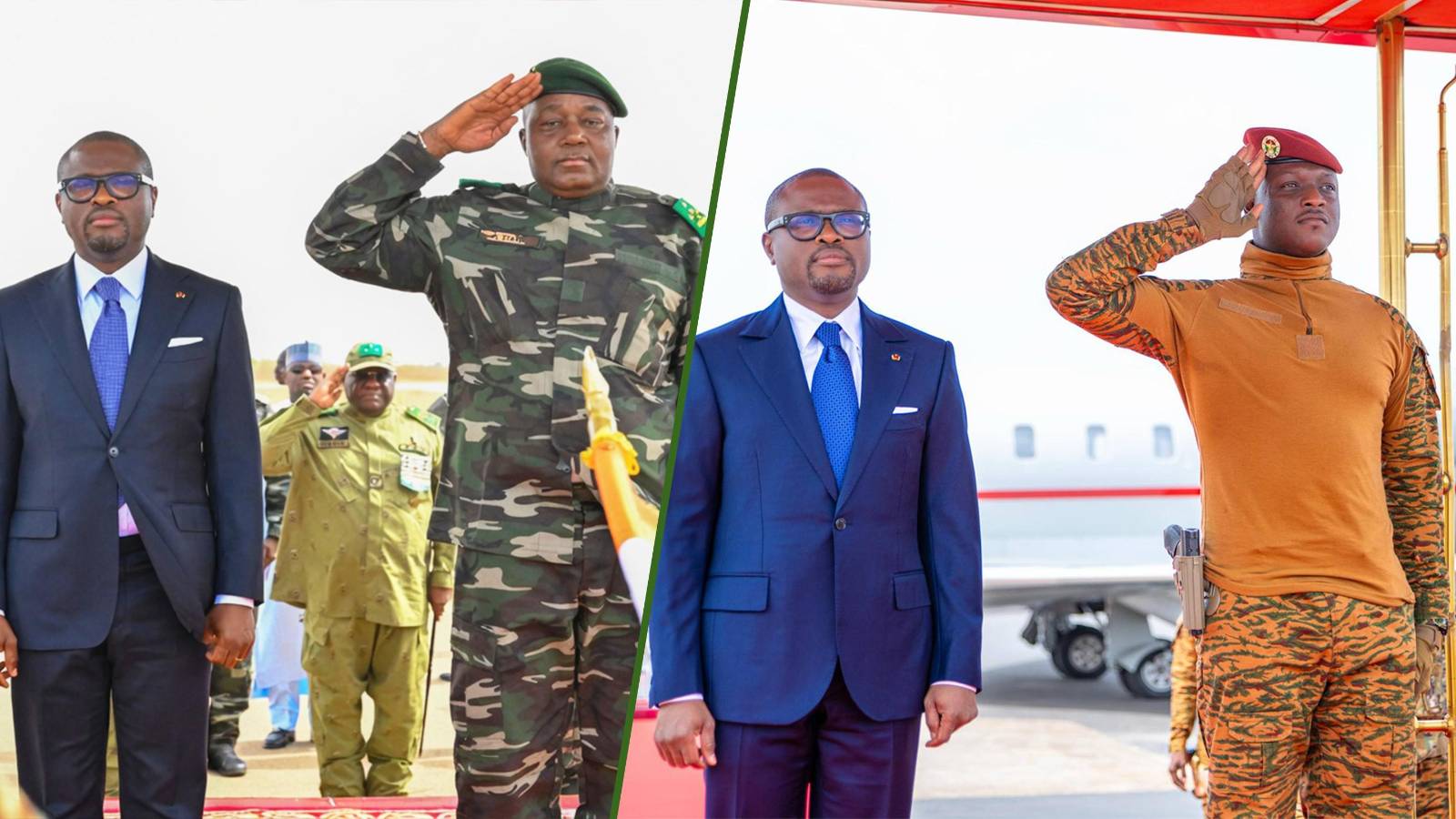
The recent official visits by Benin’s President Romuald Wadagni to Abuja, Niamey, and Ouagadougou signal a renewed push for deeper diplomatic and economic ties across West Africa’s core nations. This strategic pivot reflects a deliberate effort to restore and strengthen neighborly relations after years of strained interactions.
At the heart of this diplomatic thaw lies a web of shared economic and security imperatives that bind Benin, Nigeria, Niger, and Burkina Faso together. The following sections explore the driving forces behind this regional realignment.
economic interdependence and logistics as pillars of regional stability
Economic structures in Benin, Niger, and Burkina Faso reveal a tightly woven web of mutual reliance. For landlocked Niger and Burkina Faso, access to global markets and the smooth transit of essential goods hinge on the port infrastructure and road networks of coastal nations, with Benin’s Cotonou-Niamey corridor standing as a vital artery. Similarly, Benin’s economic health—particularly the performance of the Port Autonome de Cotonou and the broader logistics sector—depends heavily on the volume of goods transiting to and from Sahelian markets.
The energy sector further underscores this interdependence through the Agadem oil fields to the Sèmè-Kpodji terminal pipeline. This critical infrastructure links the economies: Niger relies on Benin’s facilities to export its crude, while Benin benefits from transit revenues generated by the Nigerian oil flow. A newly established expert committee, tasked with identifying and removing trade barriers within 15 days, highlights the urgency of safeguarding these intertwined interests to ensure seamless regional commerce.
transboundary security challenges and the W park nexus
The persistent threats posed by non-state armed groups and cross-border banditry demand a unified security response. Benin, Niger, and Burkina Faso share the W Park region, a strategically vital yet vulnerable area. The resumption of direct diplomatic engagement with Ouagadougou and Niamey reflects a commitment to coordinated security measures that no single nation can achieve alone.
This renewed dialogue facilitates the sharing of geographic intelligence, resolves local military misunderstandings, and revives joint operational mechanisms such as coordinated patrols and information exchanges. The approach is rooted in national security priorities, recognizing that Benin’s territorial integrity is intrinsically tied to the stability of the broader Sahel region.
balancing regional alliances and local realities
The diplomatic outreach—beginning in Abuja, a key CEDEAO hub, and extending to Niamey and Ouagadougou—serves as a bridge between preserving operational communication channels with Sahel Alliance members and upholding macro-regional commitments. In a shifting geopolitical landscape, maintaining these direct bilateral negotiation channels is vital for mitigating global geopolitical risks, fostering economic recovery, and enhancing local security.
The latest official trips are grounded in objective assessments of geography, collective border security, and the efficiency of shared economic infrastructures. This normalization reflects the technical necessity of aligning sovereign priorities with the operational realities of regional interdependence.