Mariama Hamani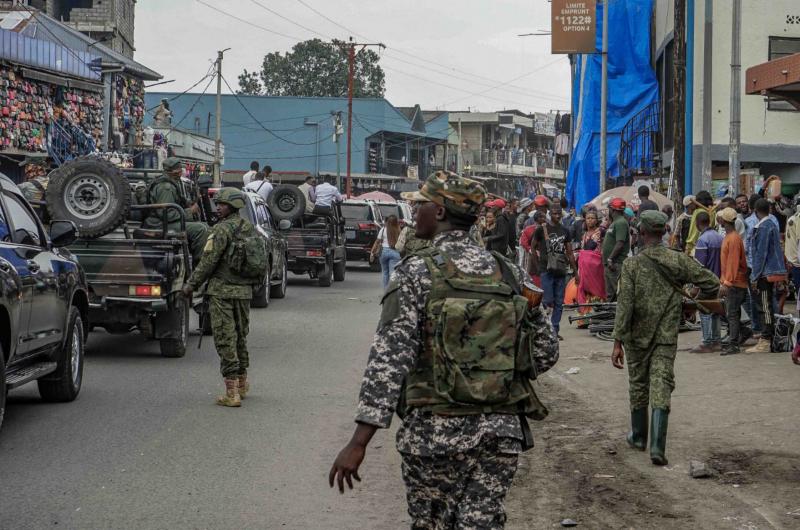
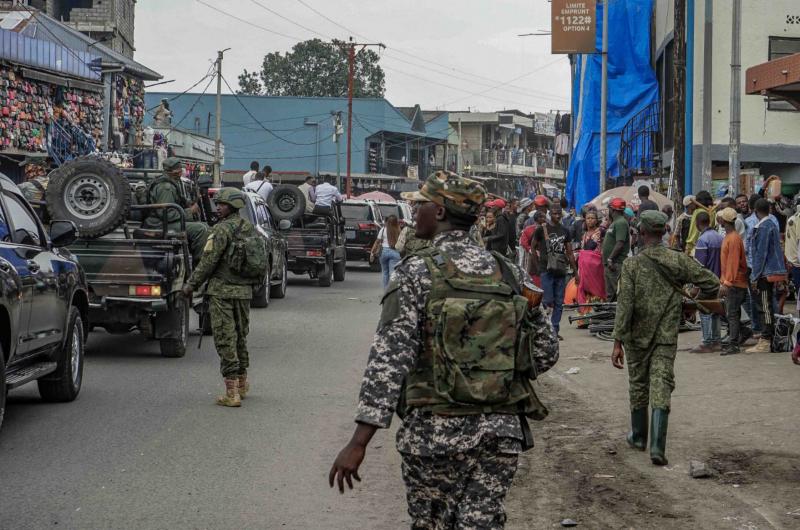
The United States government has intensified its efforts to curb the ongoing instability in the eastern Democratic Republic of Congo by implementing a new wave of targeted sanctions. These measures specifically focus on high-ranking commanders within the FDLR and M23 rebel movements, groups that have been central to the escalating violence in the region since 2021.
Targeting the architects of regional instability
The latest diplomatic and economic actions aim to address the persistent threats to prosperity and peace in the eastern DRC. By sanctioning senior leaders of the Forces démocratiques de libération du Rwanda (FDLR) and the Rwanda-backed Mouvement du 23 mars (M23), the American administration is taking a firm stand against those orchestrating the conflict.
Among the individuals designated is Gustave Kubwayo, a prominent figure who oversees intelligence and special operations for the FDLR. He is accused of involvement in ethnic-based violence against civilian populations, the recruitment and use of child soldiers, and various acts of sexual violence. Furthermore, his operations have included cross-border raids that continue to jeopardize the security of Rwanda.
Accountability for human rights violations
The sanctions also target John Imani Nzenze, the head of intelligence for the M23. This armed group, which receives support from Rwanda, has been linked to numerous killings and severe human rights abuses. Their operations in the eastern DRC have frequently targeted non-combatants, contributing to the dire humanitarian situation in the area.
This move underscores a determination to ensure that all regional actors honor the commitments established under the Washington Accords of December 4, 2025, and the Doha Framework. The current administration remains focused on utilizing every available mechanism to encourage a return to lasting stability across the Great Lakes region, demanding that all parties adhere to their international obligations.

 Boureima Amadou