Boureima Amadou
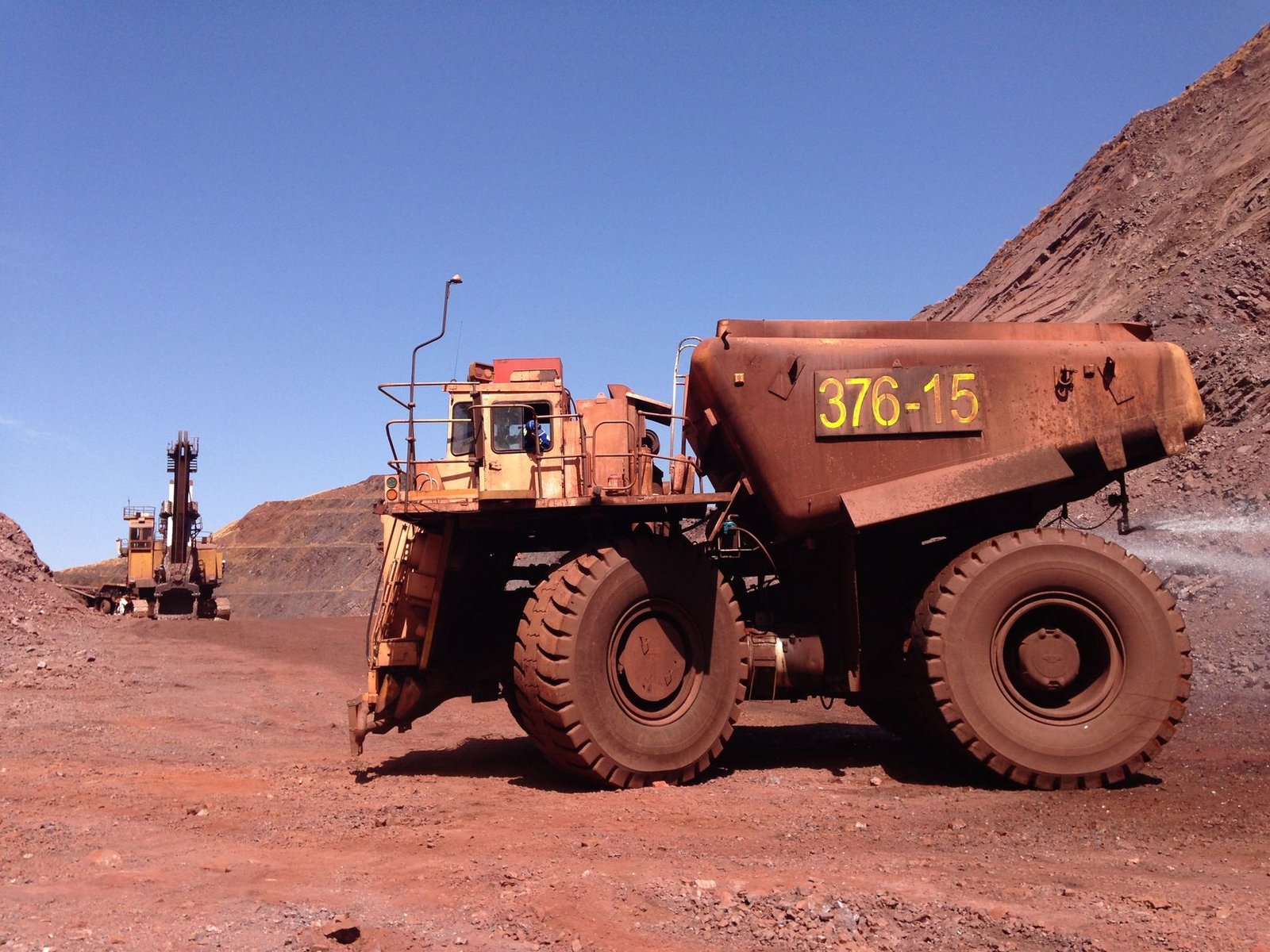
Ivory Coast has launched a sweeping crackdown against illegal gold mining, a longstanding scourge undermining its rural communities. The government’s decision to forcibly expel unlicensed miners marks a turning point in its mining policy, as Abidjan seeks to balance the growth of the formal extractive industry with the protection of its agricultural heartlands. While the move carries significant social costs, authorities argue it is a necessary response to the devastating environmental and economic damage inflicted on the country’s soil, waterways, and farmlands.
The escalating threat to Ivory Coast’s agricultural backbone
As the world’s top cocoa producer, generating about 2.2 million tons annually, Ivory Coast cannot afford to ignore the growing menace of unregulated gold mining. The proliferation of illegal gold pits has introduced mercury and cyanide into the ecosystem, poisoning groundwater supplies, rice paddies, rubber plantations, and cocoa farms. Regions such as Bouaflé, Hiré, Bouna, and Kong in western and northern Ivory Coast now face severe land degradation, with fertile fields reduced to muddy craters.
The consequences extend beyond environmental destruction. The Ivorian government estimates that illicit gold mining drains billions of CFA francs from state coffers every year—a stark contrast to the 48 tons of gold officially produced by industrial mines in 2023. Beyond lost revenue, the sector fuels organized crime, facilitates cross-border trafficking, and exacerbates security risks, particularly along the northern borders, where jihadist activity from the Sahel looms large.
West Africa’s synchronized fight against illicit gold extraction
Ivory Coast’s initiative does not stand alone; it is part of a broader regional push to dismantle informal gold mining networks. Burkina Faso has intensified site closures since 2022, citing the need to cut off revenue streams fueling armed groups. Mali has expelled foreign miners—including dozens of Chinese nationals—after a fatal accident in Kéniéba in January 2025 claimed over forty lives. Guinea, too, has tightened controls in Siguiri, a historic hotspot for regional gold panning.
This collective action highlights a shared realization: skyrocketing gold prices—exceeding $2,700 per ounce in 2024—draw migrant laborers across borders, often in unregulated networks. Miners from Burkina Faso, Mali, Niger, Guinea, and Ghana, sometimes partnered with Asian operators equipped with industrial-grade machinery, traverse porous frontiers in search of speculative strikes. Outdated mining laws, designed for large-scale industrial operations, struggle to address this evolving challenge.
Abidjan’s high-stakes gamble for lasting change
By enforcing expulsions, Ivory Coast is taking a calculated risk. Informal gold mining supports hundreds of thousands of livelihoods in affected areas. Previous crackdowns from 2014 to 2018, which saw authorities dismantle over 300 illegal sites, ultimately failed to curb the practice permanently, as displaced miners simply relocated to new unregulated zones. The lack of viable alternatives has repeatedly hampered enforcement efforts.
The success of this new operation hinges on more than just repression—it requires a dual strategy. Since 2014, Ivory Coast has had a legal framework for semi-mechanized artisanal mining, yet permits remain scarce relative to demand. Without robust social measures—such as agricultural job programs, credible livelihood alternatives, and a permanent mining police force—there is a real risk that the campaign merely relocates the problem rather than eliminates it. The battle against illegal gold is not just a matter of enforcement; it’s one of long-term policy and community resilience.

 Mariama Hamani