Mariama Hamani

Cameroon’s economic momentum: decisive moves to reclaim financial autonomy
This week in Cameroon marked a clear turning point for the national economy. Media coverage reveals a unified strategy to overcome structural bottlenecks and reduce vulnerability to external shocks. Far from isolated reports, the week’s economic news paints a coherent picture of resilience in motion.
Building local banking champions to counter external dependence
The most striking development this week was Afriland First Bank’s record capital increase. Analysts highlight this move not just as a private success but as a strategic shift toward building financial institutions capable of funding major national projects without relying on Western banks. What makes this achievement even more significant is that the bank achieved this milestone without seeking new investors or diluting existing shareholder equity.
This development aligns with a broader pattern of economic nationalism gaining traction across Cameroon’s banking sector. Financial institutions are increasingly focusing on capitalizing domestic resources to drive long-term growth and reduce exposure to volatile international funding markets.
Formalizing small businesses to challenge foreign competition
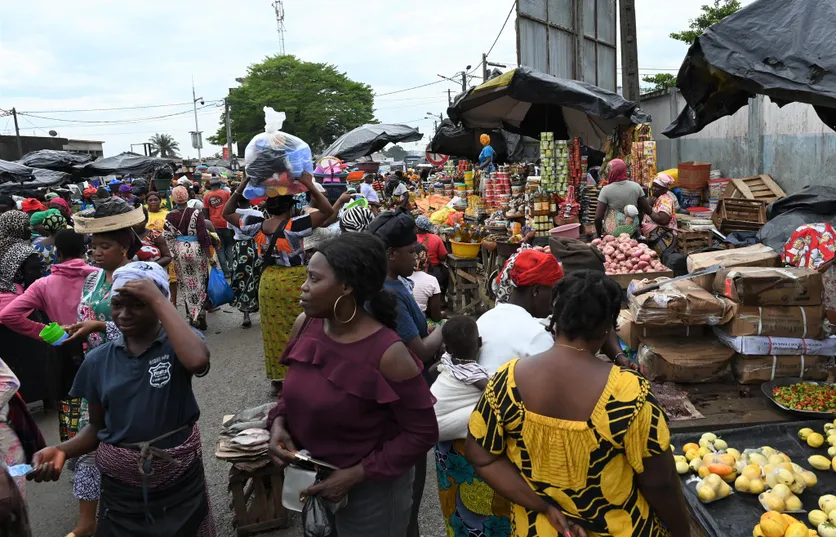
Another critical theme emerging this week is the urgent need to formalize Cameroon’s vast informal sector, particularly in light of fierce competition from Chinese imports. The 230 billion FCFA spent weekly on Chinese clothing imports has exposed vulnerabilities in the retail sector, prompting both the private sector and government to take action.
A landmark agreement signed on November 4 between the Cameroon Employers’ Federation (Gecam) and the Ministry of SMEs Development outlines a comprehensive roadmap for 2027-2030. The collaboration aims to transform Cameroon’s business landscape by bringing informal enterprises into the formal economy, giving them better access to credit and enabling them to compete more effectively.
The challenges are substantial. While China’s approach prioritizes rapid, low-investment ventures to capture quick profits, Cameroonian businesses face structural hurdles. With 444,302 SMEs operating in Cameroon, nearly 90% of the economy remains informal. These enterprises struggle with access to credit, receiving only 17% of total bank lending despite their economic significance.
Structural differences in business approaches
The media highlighted a fundamental disparity in business models. Chinese SMEs in Cameroon predominantly operate as individual establishments with minimal initial investments, focusing on quick commercial gains. This approach generates limited local value compared to the heavy infrastructure projects championed by the Cameroonian government.
Modernizing infrastructure to support economic transformation
Infrastructure development also took center stage this week. The Central African States’ decision to demonetize outdated currency aligns with broader efforts to modernize monetary systems and facilitate smoother transactions. Concurrently, a presidential decree unlocked 129 billion FCFA for the Yaoundé bypass project, signaling renewed commitment to addressing urban mobility challenges.
Financial modernization extends beyond currency reform. The appointment of a new CEO at the Road Fund marks a strategic step toward improving infrastructure financing and maintenance. These initiatives collectively address one of Cameroon’s most pressing economic needs: developing robust systems to support sustainable growth.
A tragic week that underscores economic vulnerabilities
The industrial fire at Metafrique Steel S.A. in Douala’s Bassa industrial zone on November 2 stands as a stark reminder of Cameroon’s economic fragilities. The disaster resulted in five fatalities and left at least 12-16 workers with severe burns, requiring urgent medical evacuation to Douala General Hospital.
The incident prompted immediate suspension of operations at the facility while authorities conducted investigations. The tragedy serves as a sobering reminder of the importance of workplace safety regulations and robust infrastructure in protecting both lives and economic progress.
Market dynamics reveal deeper structural challenges
The week’s financial data highlighted systemic challenges in Cameroon’s capital markets. Public debt securities in the CEMAC region totaled an unprecedented 11,016.7 billion FCFA. However, the Douala Stock Exchange (BVMAC) faces significant limitations in attracting this volume, with monetary markets capturing 12 times more investment than the regional bourse.
The preference for monetary channels over capital markets stems from practical considerations. Public treasuries can access funds in 45 days through monetary channels versus 6-8 months on the stock exchange. Additionally, monetary financing offers cost savings of approximately 2% compared to traditional bond issuance.
The man driving Cameroon’s industrial agenda
Samuel Njanga Kondo Ngande’s re-election as President of the Syndicat des Industriels du Cameroun (Syndustricam) for another three-year term positions him as a pivotal figure in shaping the country’s economic future. His “CAP Industrie 2029” roadmap outlines a clear vision for transforming Cameroon’s industrial sector, emphasizing the need for modernization and increased local value addition.
An economy at a crossroads
The week’s developments paint a picture of Cameroon standing at a critical juncture. Local banks are building financial muscle, authorities are formalizing the informal sector, and strategic infrastructure projects are breaking ground. This coordinated approach addresses immediate economic pressures while laying the foundation for sustainable long-term growth.
From banking reforms to infrastructure investments, Cameroon is demonstrating that decisive action can transform structural vulnerabilities into engines of progress. The coming months will reveal whether these strategic moves can deliver the economic transformation the nation desperately needs.


 Boureima Amadou