Boureima Amadou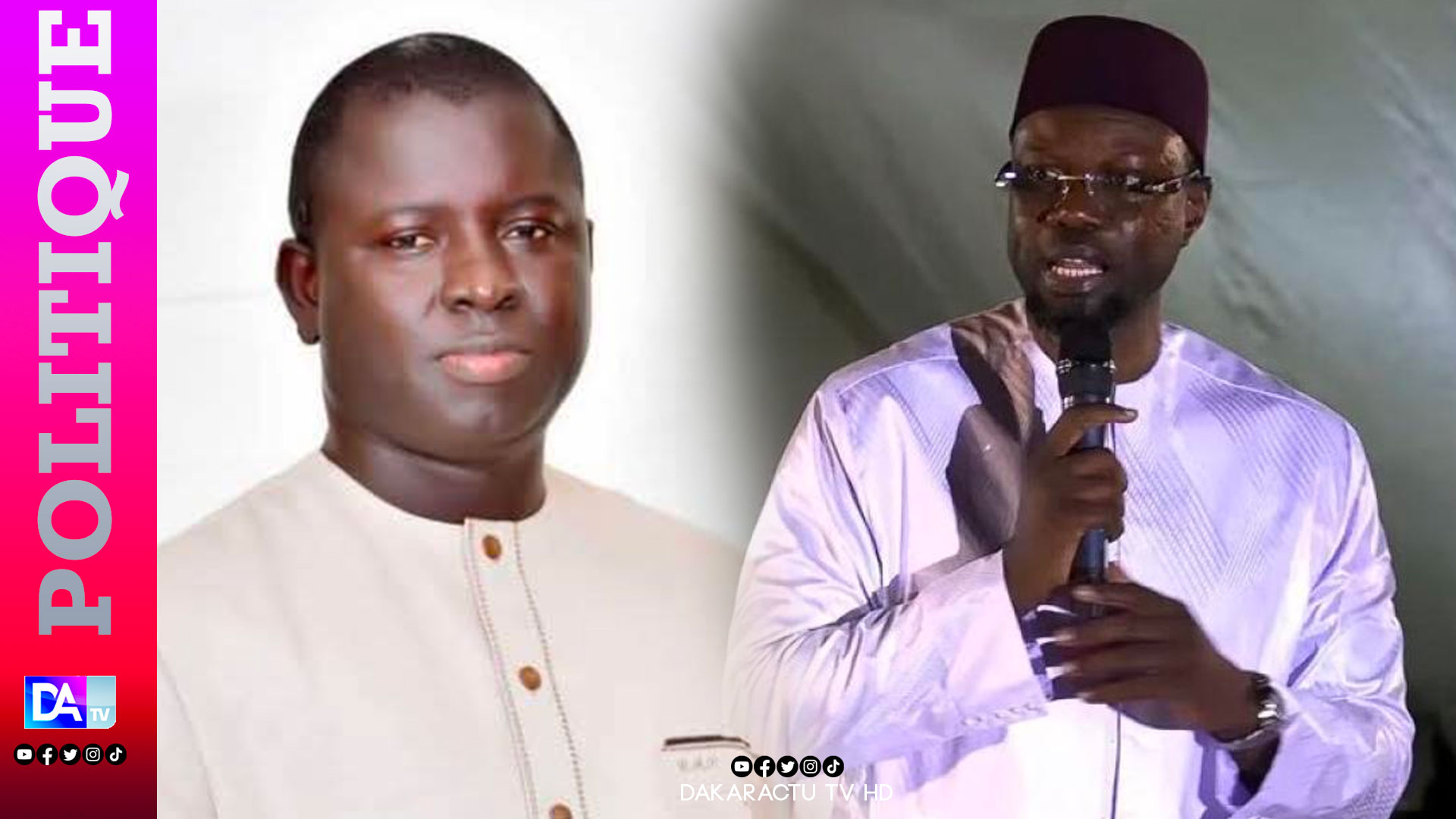
The political landscape in Senegal is at a critical crossroads. Once a vocal opposition figure, briefly holding power, and now leading a radical confrontation strategy, the leader of the Pastef party has shifted from grassroots resistance to an unparalleled institutional standoff. A pressing question now dominates public discourse: how far is Ousmane Sonko willing to go?
The journey began with the slogan « Gatsa-Gatsa » (« short tail pays for short tail »), a rallying cry for direct retaliation against the former regime. Designed to legitimize bold resistance, this approach deepened societal divisions. What started as a defensive tactic evolved into a relentless campaign to challenge the very foundations of the Nation. Yet, the initial strategy of countering force with force has now morphed into a far more disruptive force.
After securing a seat in the National Assembly through what many described as a political tour de force, Sonko sought to reshape the constitutional framework. His push for a constitutional reform, however, faced an insurmountable obstacle: the Constitutional Council struck it down. This legal setback did not temper ambitions; instead, it fueled a growing refusal to accept institutional constraints. Rather than fostering compromise or restraint, frustration appears to have driven a radicalization of tactics.
From resistance to institutional defiance: the rise of « Maa tay »
The emergence of « Maa tay » (« I don’t care ») marks a new phase in this political saga. Sonko’s recent declarations signal a deliberate strategy to obstruct government operations and disregard core republican values. This approach raises serious concerns:
- Institutional paralysis: Deliberate obstruction of government actions, regardless of the consequences for national progress.
- Disregard for legal rulings: Prioritizing political posturing over adherence to judicial and constitutional decisions.
- Taking institutions hostage: Leveraging institutional frustration to push a personal agenda, despite clear legal boundaries.
The question remains: where does this escalation end? Senegal’s democracy has long been defined by the resilience of its institutions in the face of crises. Replacing dialogue with defiance and institutional contempt sets a dangerous precedent. While political opposition is a constitutional right, systematic obstruction under the guise of republican challenge is a dead end.
Institutions endure; individuals and ambitions fade. Undermining the pillars of the State to mask personal frustrations or hidden agendas jeopardizes not just the political process, but the future of the Nation itself. The opposition must remain a force for progress, not a tool for disruption.
Cheikh Issa Sall,
President of the UNITE Party