Mariama Hamani
African Union stands firm with Mali amid escalating security threats
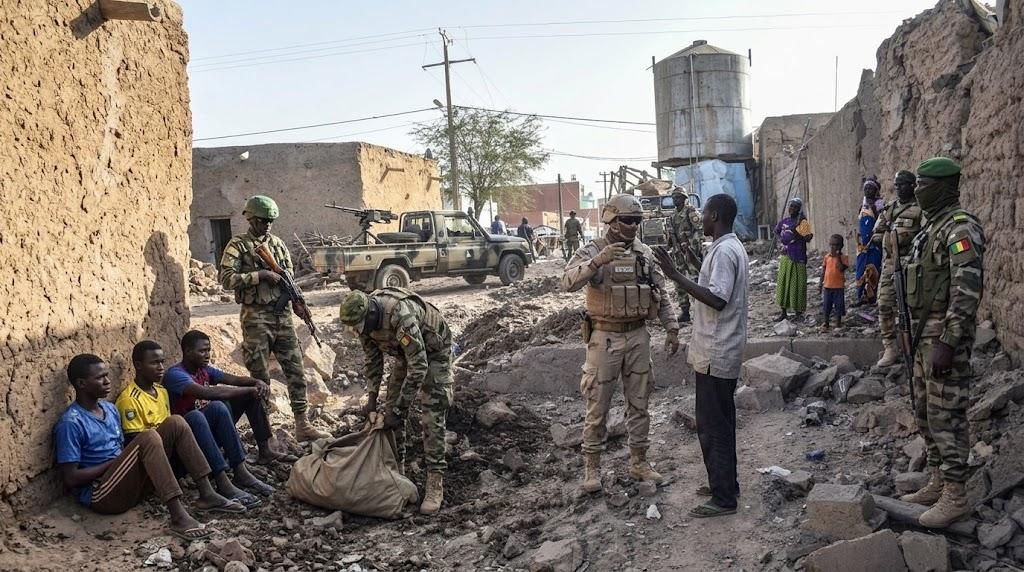
The Chairperson of the African Union Commission arrived in Bamako over the weekend to underscore the bloc’s unwavering backing for Mali amid the country’s persistent security challenges. Mahmoud Ali Youssouf’s visit underscores the AU’s resolve to maintain dialogue and cooperation with Bamako, even as Mali remains suspended from AU activities since the 2021 coup. The suspension was imposed to pressure military authorities toward restoring constitutional order, yet the AU has refused to sever ties entirely, emphasizing that Mali’s stability is vital to regional security.
The continental body continues to engage through its Special Representative for Mali and the Sahel and the AU Mission for the Sahel and Mali (MISAHEL), ensuring that diplomatic channels remain open despite the suspension.
from words to action
Mahmoud Ali Youssouf’s mission in Bamako signals the AU’s “full solidarity” with Mali as armed groups continue to destabilize the nation. However, independent analyst and founder of Africa Jom Center, Alioune Tine, argues that solidarity must translate into tangible support.
“The AU Chairperson must move beyond symbolic gestures and actively rally member states with the capacity to assist—both financially and militarily. Mobilizing African Union troops to bolster Mali’s counterterrorism efforts would send a clear signal that the continent stands ready to confront this crisis head-on.”
challenges facing the african union’s approach
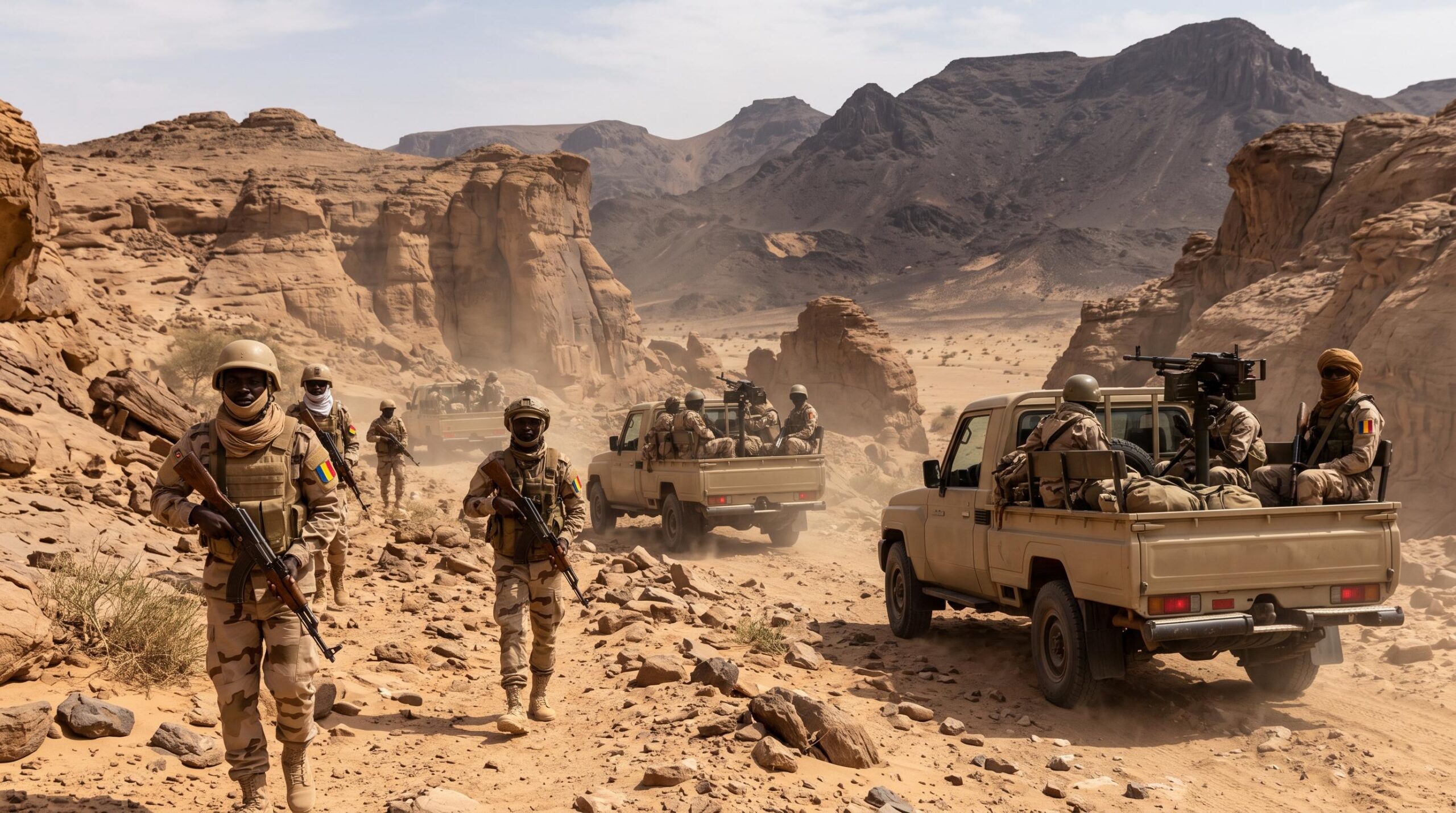
Despite Mali’s leadership questioning the 2015 Algiers Accord, the AU persists in advocating for political solutions and territorial unity. The rise of alliances between northern separatists and militant groups like the Group for Support of Islam and Muslims (JNIM) has further complicated the conflict.
The AU has firmly rejected the legitimacy of these coalitions and their demands, but analysts like Aly Tounkara of the Center for Security and Strategic Studies in the Sahel highlight the bloc’s structural limitations.
“The AU’s ability to provide military or intelligence support is severely constrained by internal divisions among member states. Without a unified agenda, coordination on critical issues like Mali proves exceedingly difficult.”
Tounkara also points to the AU’s heavy reliance on external donors, which undermines its operational independence. “This dependence creates major hurdles in executing effective, locally driven solutions.”
As the AU balances diplomatic support, calls for territorial integrity, and its own political constraints, the true test will be whether this visit sparks a deeper, more impactful commitment to Mali’s security—or remains a symbolic gesture of solidarity.

 Boureima Amadou