Mariama Hamani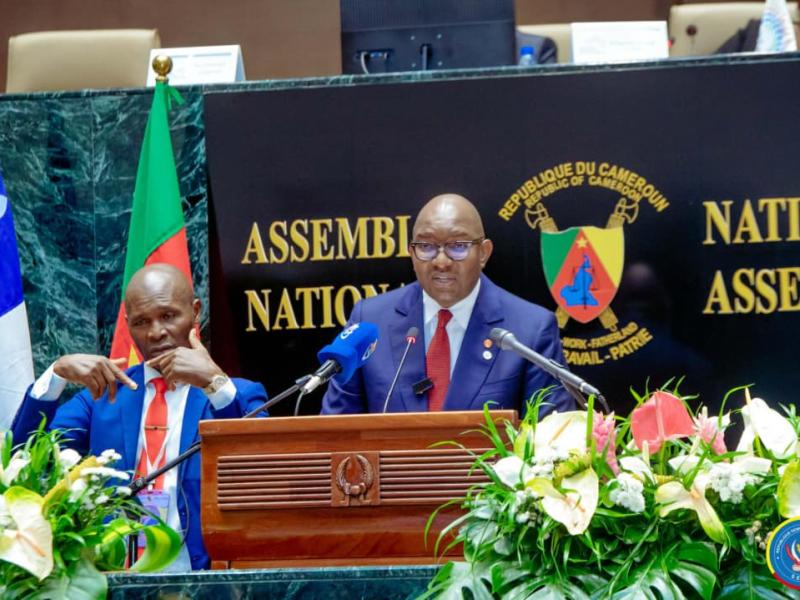
The 51st session of the Francophonie Parliamentary Assembly (APF) in Yaoundé, Cameroon, served as a platform for the Democratic Republic of the Congo (DRC) to voice its concerns and highlight its global ecological significance. Jean-Michel Sama Lukonde, President of the DRC Senate, delivered a keynote address emphasizing the country’s pivotal role in climate stability and its condemnation of environmental destruction linked to regional conflicts.
The week-long event, held from July 6 to 11, 2026, brought together over 300 parliamentarians from 42 national, subnational, and interparliamentary sections within the Francophonie space. Sama Lukonde framed his intervention around two critical themes: the fight against climate change and the far-reaching consequences of insecurity in eastern DRC.
DRC’s ecological prominence in the global climate agenda
Under the leadership of President Félix Antoine Tshisekedi, the DRC Senate delegation underscored the country’s strategic importance in preserving the world’s ecological balance. Sama Lukonde positioned the DRC as a “solution country,” leveraging its vast natural resources to combat climate change.
Key points included:
- Biodiversity hotspot: The Congo Basin, the world’s second-largest tropical rainforest, remains a cornerstone of global carbon sequestration.
- Green Corridor initiative: A monumental project spanning over 500,000 km², the Kivu-Kinshasa Green Corridor aims to enhance climate resilience and biodiversity conservation.
- International support gap: Despite these assets, Sama Lukonde lamented the insufficient global response to the DRC’s environmental challenges.
The senator stressed that the DRC’s ecological contributions extend beyond national borders, playing a vital role in maintaining planetary health. However, he warned that ongoing conflicts threaten these efforts, calling for urgent international solidarity.
Environmental destruction amid regional instability
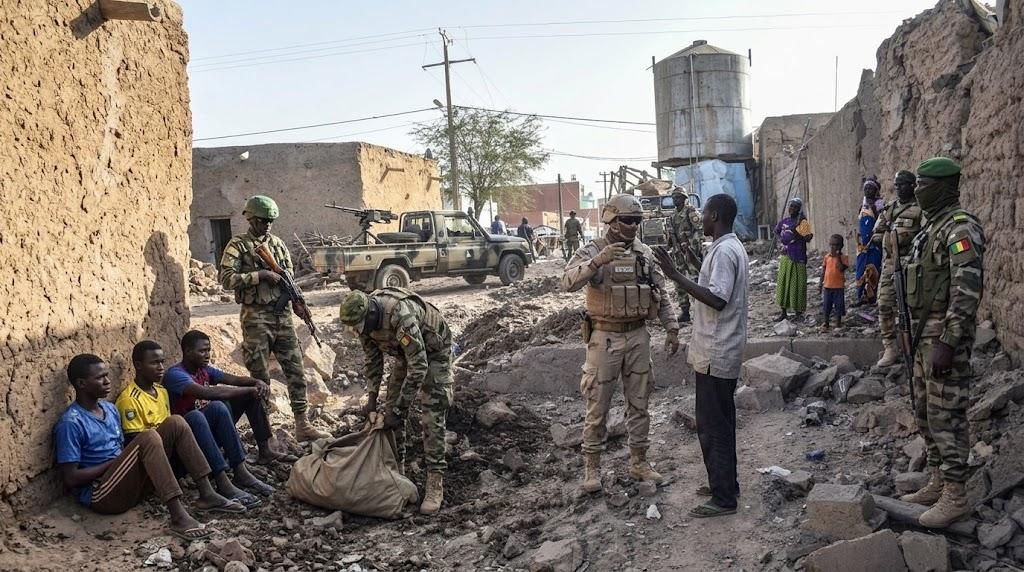
A central theme of Sama Lukonde’s speech was the environmental toll of the decade-long crisis in eastern DRC, exacerbated by what he described as Rwanda’s covert aggression through its proxy, the M23-AFC armed group.
The senator outlined the devastating consequences of the conflict on the DRC’s ecosystems, including:
- Deforestation: Armed groups deliberately clear forests for military logistics, accelerating carbon emissions.
- Wildlife endangerment: The eastern regions, home to gorillas and other endangered species, face habitat destruction.
- Water pollution: Military operations contaminate rivers and lakes, threatening both human and aquatic life.
- Human displacement: Over 5.5 million internally displaced persons (IDPs) in the DRC exacerbate environmental degradation as communities rely on fragile ecosystems for survival.
Sama Lukonde condemned the systematic exploitation of natural resources during wartime, stating, “Climate balance cannot be achieved while war ravages and pillages our natural heritage.”
Calls for a unified Francophonie response
Sama Lukonde urged Francophonie members to take concrete action, including:
- Support for peace accords: Implementation of the Washington agreements to stabilize the region.
- Climate solidarity pact: A Francophonie-wide initiative to protect tropical forests and support local communities.
- Ending impunity: Holding accountable those responsible for environmental crimes in conflict zones.
He also announced the DRC’s endorsement of Julianna Lumumba’s candidacy for the Francophonie leadership, aligning with the DRC’s commitment to multilateralism and sustainable governance.
The APF session in Yaoundé concluded with a parallel event: the 11th Francophonie Youth Parliament (PFJ), gathering 61 young delegates from 29 Francophone sections. The PFJ, a platform for youth engagement, highlighted the need for inclusive dialogue on climate and security challenges facing Africa.
The DRC’s proactive stance at the APF reflects its dual role as both a victim of regional instability and a guardian of global ecological health. As the country navigates these crises, its leadership in climate diplomacy positions it as a key player in shaping a sustainable future for the Francophonie and beyond.

 Boureima Amadou