Mariama Hamani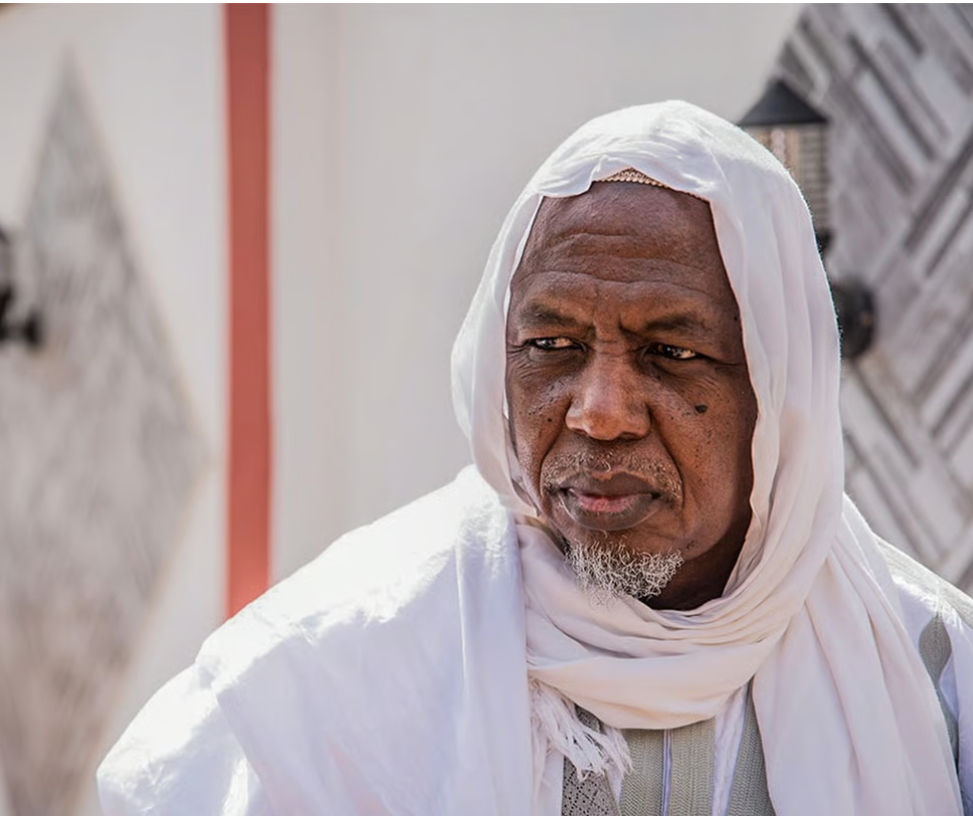
After a grueling fifteen-month diplomatic freeze, Mali and Algeria have finally restored full diplomatic relations. The landmark thaw, sealed by the mutual return of ambassadors and the resumption of air travel, is reshaping the geopolitical landscape of the Sahel region. At the heart of this unfolding scenario is the future of imam Mahmoud Dicko, a towering socio-political figure currently living in exile in Algeria and now facing a defining crossroads.
How a year of hostility gave way to renewed partnership
The roots of the crisis run deep. Tensions escalated sharply in late 2023 when Bamako accused Algiers of overstepping boundaries by hosting meetings with Tuareg rebel factions from northern Mali without the consent of Mali’s transitional authorities. The final fracture came when Mali unilaterally withdrew from the 2015 Algiers Peace Agreement, a move seen in Algiers as a direct challenge to its regional mediation role. The withdrawal triggered the recall of ambassadors and the suspension of all flights, plunging the joint border area into months of frozen dialogue and growing security uncertainty across the Sahara-Sahel belt.
Behind the scenes: the quiet diplomacy that restored trust
Recognizing that prolonged confrontation served no one’s interests, both capitals quietly activated backchannel negotiations. The breakthrough unfolded through a series of confidence-building steps that culminated in clear, tangible actions:
- Reappointment of ambassadors to Mali and Algeria, restoring the official communication channel vital for crisis management and border security.
- Reopening of airspace to commercial and military flights, signaling a renewal of economic and logistical flows between the two Sahelian neighbors.
- Relaunch of joint security cooperation, with a renewed focus on intelligence sharing to protect the 1,300-kilometre shared border against persistent terrorist threats.
This thaw underscores the maturity of regional diplomacy, which chose collective stability over lingering national grievances.
The imam’s pivotal role in Mali’s democratic pathway
Within this reshaped diplomatic context, the question of imam Mahmoud Dicko’s future takes on new significance. Exiled in Algeria since the rupture, Dicko remains far more than a dissenting voice abroad; he is widely regarded by Malians as a moderating force and a vital bridge between the country’s diverse political currents.
As the spiritual leader behind the 2020 mass protests that led to the resignation of president Ibrahim Boubacar Keïta, Dicko has consistently advocated for an inclusive, peaceful return to constitutional rule. In present-day Mali—still searching for national cohesion and a clear democratic horizon—Dicko’s moral authority and proven ability to mobilize public opinion make him a potential linchpin for any future civil transition process.
A strategic window for dialogue and return
The thaw between Bamako and Algiers raises immediate questions about Dicko’s status and possible return. While Algiers may move to limit his political activities on its soil to avoid straining its newfound rapport with Bamako, this moment also offers an unprecedented opportunity for mediation.
As a trusted regional partner, Algeria is uniquely positioned to facilitate a structured, face-to-face dialogue between Dicko and Mali’s transitional authorities. A secure and regulated return of the imam to Mali—not as a divisive figure, but as a peacebuilder—could send a powerful signal of national reconciliation and democratic renewal.
Diplomacy as an engine for democratic renewal
The reopening of Mali-Algeria relations marks a turning point for Sahel stability. By closing the chapter of fifteen months of estrangement, both countries have reaffirmed that cooperation—not confrontation—is the only viable path amid shared security challenges.
In this equation, the trajectory of imam Mahmoud Dicko is not an obstacle, but a catalyst. By leveraging his enduring credibility and unwavering commitment to civilian rule, Bamako and Algiers can transform this diplomatic normalization into a springboard for peace, stability, and democratic progress in Mali.

 Boureima Amadou