Boureima Amadou
how blood gold funds africa’s shadow networks linked to Russia’s Wagner
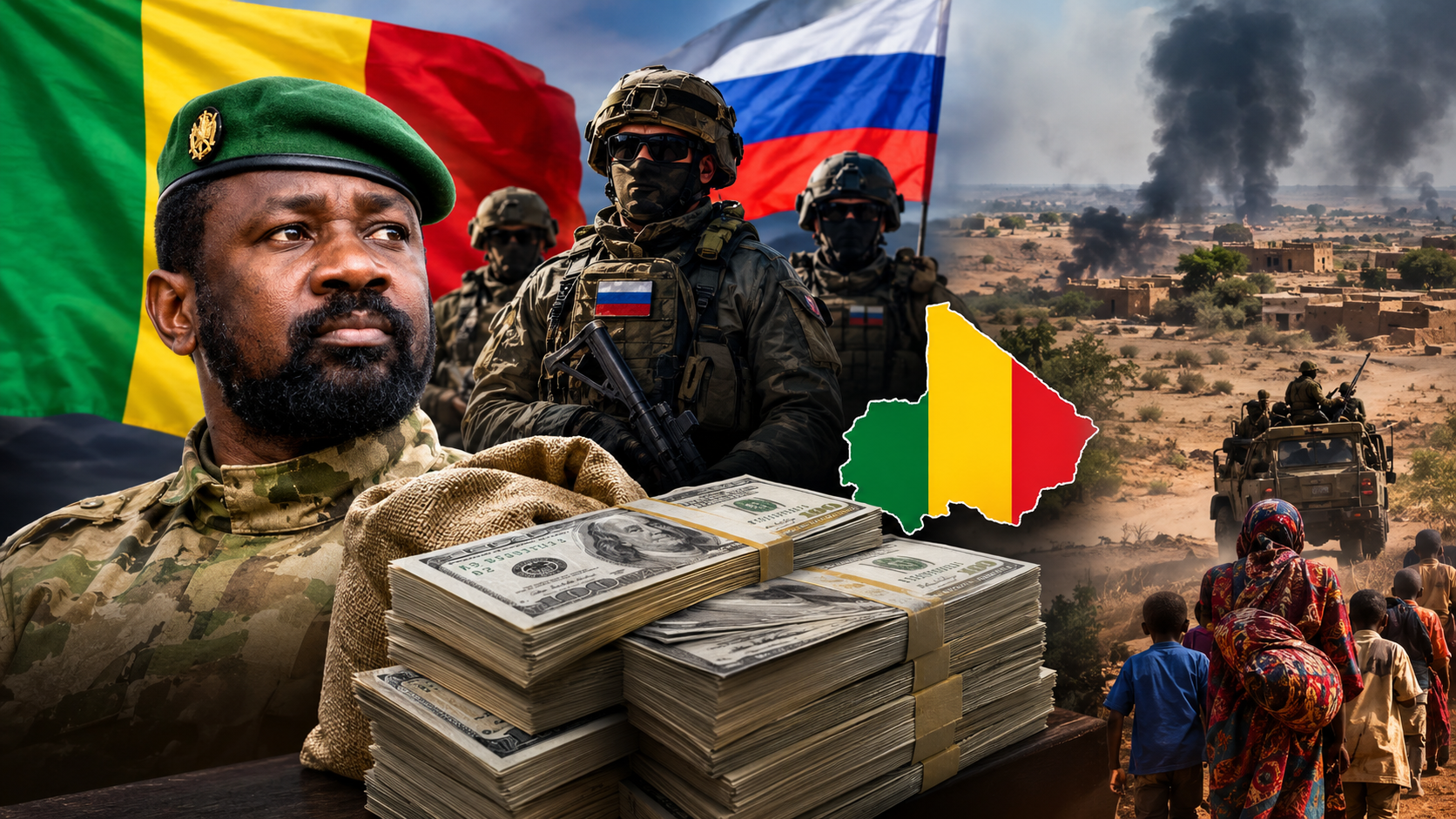
An explosive investigation has laid bare the intricate web of criminal and financial channels that sustain the shadowy operations of Russia‘s Wagner Group across the Africa continent. The findings, released by Global Initiative, expose how illicit gold mining and smuggling in conflict zones serve as the lifeblood of these mercenary networks, enabling their expansion and influence.
the hidden gold trade financing africa’s mercenary armies
For years, the Wagner Group has operated under a cloak of secrecy, leveraging local conflicts to secure mineral-rich territories. However, a new report reveals the true scale of its economic underpinnings: blood gold—gold extracted through illegal mining and often traded through unregulated channels—has become the primary revenue stream for these paramilitary forces. In regions plagued by instability, such as the Central African Republic, gold smuggling has surged, with profits funneled into financing Wagner’s operations.
The report details how intermediaries, including corrupt officials and armed groups, facilitate the movement of gold across borders, bypassing international sanctions and oversight. These networks thrive in areas where governance is weak, allowing illicit trade to flourish unchecked. The gold is often laundered through neighboring countries before reaching global markets, making it nearly impossible to trace its origins.
Wagner’s shadow economy: a multi-billion-dollar enterprise
The financial ecosystem supporting Wagner’s activities in Africa is vast and deeply entrenched. Estimates suggest that the group’s annual revenue from illicit gold alone could exceed $100 million, funding not only military operations but also propaganda, disinformation campaigns, and the co-opting of local elites. The report highlights several key mechanisms:
- illegal mining operations: Wagner-linked entities control gold mines in conflict zones, using forced labor and coercive tactics to extract resources.
- smuggling routes: gold is transported across porous borders, often concealed in shipments of other commodities to evade detection.
- financial laundering: profits are funneled through shell companies and cryptocurrency platforms to obscure their source and destination.
- local alliances: Wagner collaborates with corrupt officials and rebel factions, offering protection and resources in exchange for access to lucrative mining sites.
the human cost of africa’s gold rush
Behind the staggering profits lies a trail of devastation. In the Central African Republic, artisanal miners—many of them children—work in hazardous conditions, extracting gold under the watch of armed groups. The report documents cases of extortion, violence, and environmental degradation linked to these operations. Communities near mining sites suffer from pollution, displacement, and the erosion of traditional livelihoods, as local economies are hijacked by external forces.
The international community’s response has been fragmented. While sanctions have been imposed on Wagner-linked entities, enforcement remains inconsistent. The report calls for a unified approach, urging governments and financial institutions to tighten regulations on gold imports and strengthen anti-money laundering measures. Failure to act, it warns, risks allowing Wagner’s shadow economy to grow unchecked, further destabilizing the region.
what’s next for africa’s gold-financed conflicts?
The findings underscore the urgent need for transparency and accountability in Africa’s mining sector. Tracking the supply chain of gold from mine to market is critical to dismantling the networks that fund armed groups like Wagner. Innovative technologies, such as blockchain, are being explored to improve traceability, but their effectiveness hinges on political will and international cooperation.
For now, the gold continues to flow, feeding a cycle of conflict and corruption. The stakes are high—not just for the Central African Republic and its neighbors, but for the stability of the entire continent. Without decisive action, the blood gold trade will remain a potent weapon in the arsenal of Africa’s shadow armies.

 theafricantribune