
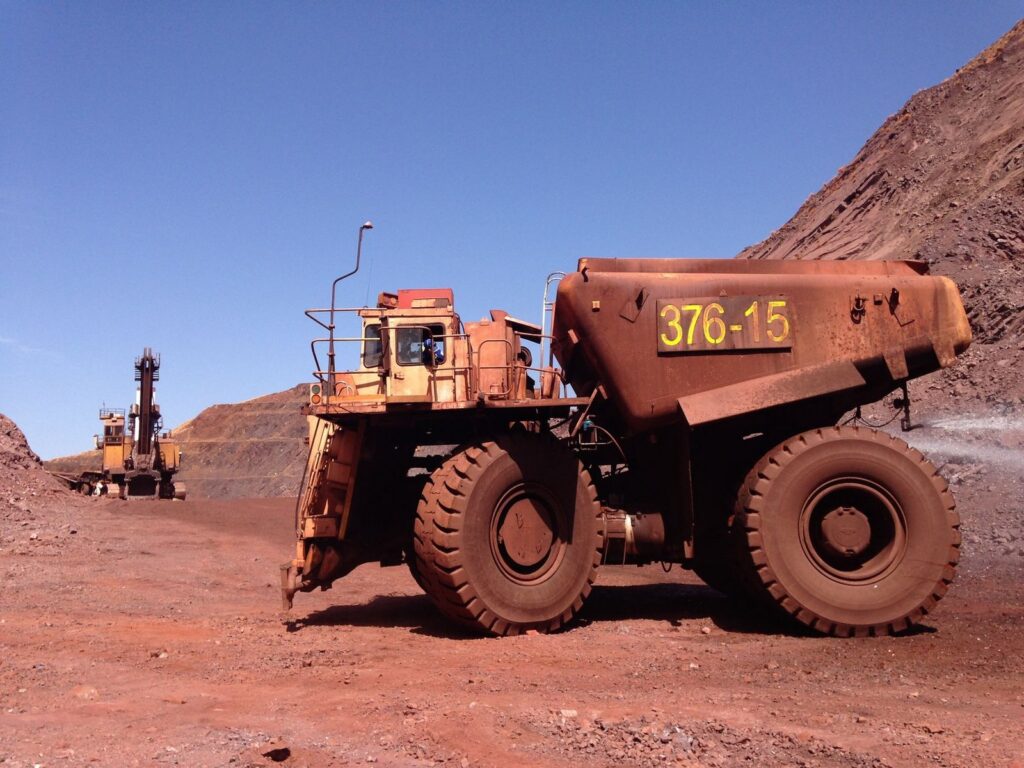
Africa holds an outsized share of the world’s critical minerals, essential for powering the energy transition and digital transformation. A high-level forum held in July 2026—titled “Africa at the Crossroads: Navigating Global Competition in the Age of Critical Minerals”—brought together policymakers, extractive-sector analysts, and civil society leaders to dissect a strategic shift that is reshaping the continent’s economic and security landscapes.
Geopolitical competition transforms Africa’s mining landscape
The surge in demand for cobalt, lithium, nickel, graphite, and rare earths—driven by electric mobility and digital infrastructure—has thrust Africa into the heart of a high-stakes global competition. Nearly 30% of the world’s identified critical mineral reserves lie beneath African soil, drawing interest from Washington, Beijing, Brussels, Abu Dhabi, Riyadh, and Ankara. Bilateral partnerships, equity stakes, and investment pledges in mining corridors are multiplying, altering the continent’s economic power dynamics.
While producing states now wield unprecedented bargaining power, they also face price volatility and the risks of resource-curse traps. The Democratic Republic of the Congo’s cobalt dominance, Guinea’s bauxite reserves, Zimbabwe’s lithium potential, and Mozambique’s graphite wealth illustrate divergent paths—where mining can fuel either industrial progress or persistent instability.
Mining governance and security under pressure
Governance emerged as a pivotal theme. Despite Africa’s mineral wealth, most value addition occurs abroad, with refining, chemical processing, and battery manufacturing concentrated in Asia. Yet recent initiatives aim to flip the script. The landmark deal between the DRC and Zambia to build a regional battery value chain stands out as a forward-thinking model.
Many critical mineral sites overlap with conflict zones or fragile governance areas. Eastern DRC, the Sahel, and parts of the Gulf of Guinea are rich in underground resources yet plagued by weak institutions. This paradox fuels armed-group economies that exploit opaque export channels. Speakers called for stronger traceability systems—modeled after the Extractive Industries Transparency Initiative (EITI)—and deeper pan-African coordination to curb illicit flows and stabilize mining communities.
Breaking free: local processing as a path to mineral sovereignty
The concept of a “second independence”—shifting from raw exports to high-value manufacturing—dominated discussions. Achieving this requires heavy investment in energy infrastructure, technical education, dedicated special economic zones for metallurgical processing, and reformed mining fiscal regimes.
Several nations are already acting. Guinea mandated an alumina refinery as part of the Simandou mega-project. Zimbabwe banned raw lithium exports in 2022. Namibia and Botswana are drafting regulations requiring minimum local processing. These moves, though sometimes met with skepticism from foreign investors, signal a clear break from the laissez-faire mining policies of the 1990s.
Financial institutions are stepping up. The African Development Bank (AfDB) and Afreximbank are designing tailored financing tools, while Gulf sovereign wealth funds eye African mining assets. The battle for mineral sovereignty will be won not only in mines but also on trading floors. The forum confirmed that control over critical minerals is becoming a defining marker of 21st-century African influence.



More Stories
Fouzi Lekjaâ’s PAM appointment shakes up moroccan election race
Lyon auxerre match date hinges on champions league fate
AES summit in Niamey: Burkina Faso’s top envoy meets Niger’s security chief