Boureima Amadou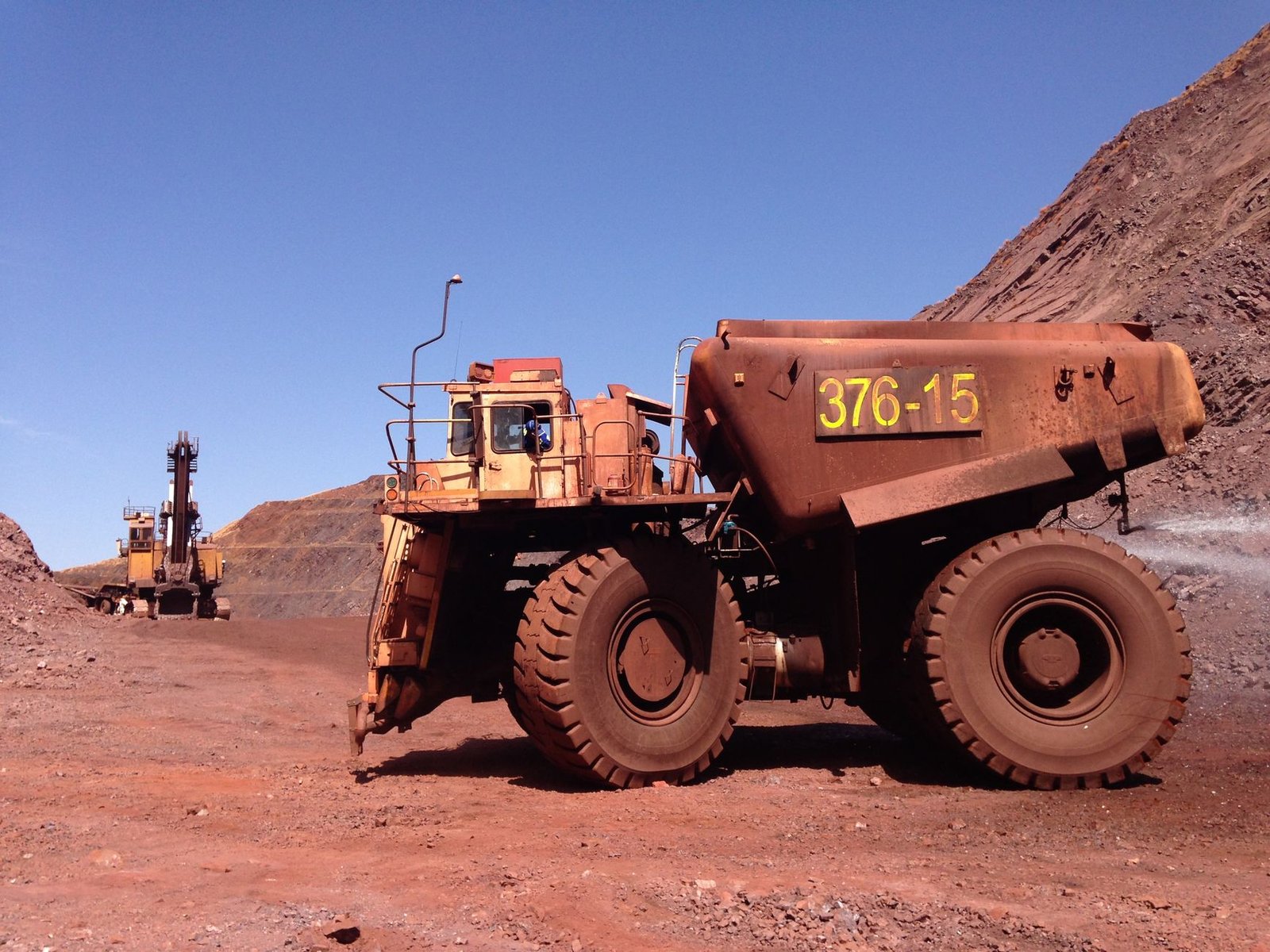
With its vast reserves of critical minerals, Africa stands at the heart of a global transformation driven by the energy transition and digital revolution. A landmark conference held on July 27, 2026, titled ‘Africa at the Crossroads: Charting a Course Through Global Geopolitical Competition in the Age of Critical Minerals’, brought together policymakers, extractive sector analysts, and civil society representatives to assess a strategic shift reshaping the continent’s economic and security dynamics.
Geopolitical competition reshapes Africa’s economic and political landscape
The surge in global demand for cobalt, lithium, nickel, graphite, and rare earth elements—fueled by the electrification of transport and the expansion of digital infrastructure—has thrust Africa into the center of a high-stakes game. Major powers including the United States, China, and the European Union, alongside emerging economic players like Abu Dhabi, Riyadh, and Ankara, are aggressively pursuing bilateral partnerships, equity stakes, and investment offers along key mining corridors.
Experts at the event emphasized how this intensified competition is fundamentally altering the continent’s economic and political fabric. Resource-rich nations now wield unprecedented bargaining power, yet face significant risks tied to price volatility and the lure of short-term resource rents. The Democratic Republic of the Congo (DRC) with its cobalt, Guinea with bauxite, Zimbabwe with lithium, and Mozambique with graphite—each embodies divergent paths where mining potential can either spur industrial growth or deepen instability.
Mining governance and security frameworks under strain
Governance emerged as a pivotal theme throughout the discussions. Despite Africa’s pivotal role in supplying critical minerals, most value addition—refining, chemical processing, and battery manufacturing—occurs abroad, primarily in Asia. This imbalance leaves producing countries confined to the low-value extraction stage. Yet recent initiatives signal a shift in momentum. A groundbreaking agreement between the DRC and Zambia to develop a regional electric battery value chain stands as a leading example of progress.
Meanwhile, the extraction of critical minerals frequently unfolds in areas plagued by persistent or erupting conflicts. The eastern DRC, the Sahel, and parts of the Gulf of Guinea exemplify regions where mineral wealth intersects with institutional fragility. This convergence fosters shadow economies where armed groups exploit opaque export channels. Speakers called for stronger traceability systems—modeled after the Extractive Industries Transparency Initiative (EITI)—and stronger continental coordination to curb illicit flows and stabilize these zones.
From raw export to industrial transformation: the quest for a second independence
The concept of a ‘second independence’ has gained traction across African mining circles. It reflects a collective drive to break free from a colonial-era model in which the continent exports raw materials only to import high-value manufactured goods. Achieving this vision demands massive investments in energy infrastructure, technical training, the creation of special economic zones focused on metallurgical processing, and reforms to mining taxation.
Several countries are taking decisive action. Guinea has mandated the construction of an alumina refinery as part of the Simandou megaproject. Zimbabwe banned the export of raw lithium as early as 2022. Namibia and Botswana are exploring regulatory frameworks that set minimum local processing quotas. While these moves sometimes meet resistance from international investors, they mark a clear departure from the laissez-faire mining policies of the 1990s.
Discussions also highlighted the role of African financial institutions in structuring tailored funding instruments for local transformation projects. The African Development Bank (AfDB) and Afreximbank are developing dedicated financing tools, while Gulf sovereign wealth funds are increasingly eyeing African mining assets. The struggle for mineral sovereignty will be waged not only in the mines but also on the trading floors of global commodity markets. This conference underscored that control over critical minerals has become one of the defining markers of African power in the 21st century.

 Mariama Hamani